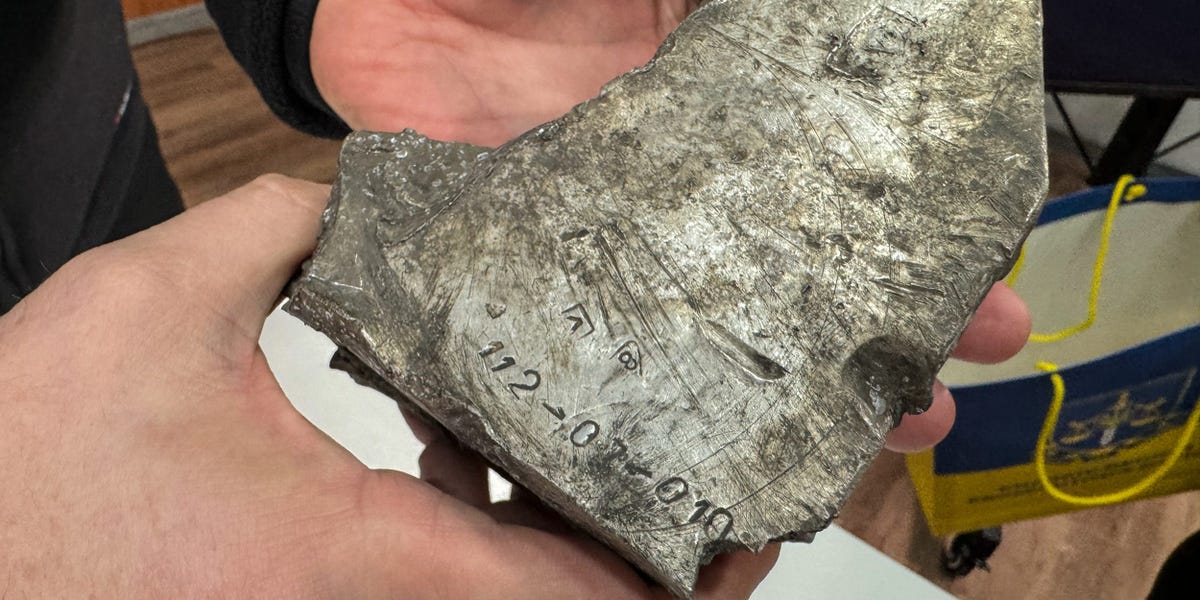
Ukrainian intelligence officials have confirmed that North Korean-supplied short-range ballistic missiles, specifically the KN-23 and KN-24 models, utilize significantly outdated manufacturing methods compared to Russian-made equivalents. The assessment reveals that these munitions rely on larger engine designs and lower-cost components, suggesting a baseline production capability that prioritizes quantity and volume over advanced guidance or propulsion efficiency.
Technical Divergence in Battlefield Performance
Analysts tracking the conflict have noted the reliance on these systems as Moscow seeks to sustain its high-tempo strike campaigns against Ukrainian infrastructure. The use of these missiles highlights a logistical workaround for the Russian defense industrial base, which has faced sustained pressure from international sanctions. By integrating North Korean hardware, Russia effectively offloads the supply chain burden for its tactical missile inventory.
While the KN-23 is often compared to Russia's Iskander-M, the design architecture differs in several key areas:
| Feature | KN-23/24 Characteristics | Comparison to Russian Equivalents |
|---|
| Engine Size | Larger footprint | More compact, optimized |
| Component Quality | Lower cost, off-the-shelf | Specialized, military-grade |
| Production Tech | Outdated, labor-intensive | Modern, automated systems |
Implications for Defense Markets and Supply Chains
For defense sector investors, this intelligence confirms that North Korea is serving as an industrial buffer for the Russian military. The reliance on "outdated methods" implies that these missiles may lack the evasive maneuverability or precision-strike capabilities found in newer Russian systems like the 9M723. Traders monitoring market analysis should consider the ongoing shift toward prolonged, attritional warfare models that favor countries with deep stockpiles of lower-cost, legacy-tech munitions over those solely focused on high-end, precision-guided weaponry.
This dynamic forces a re-evaluation of defense spending priorities. If current stocks of advanced missiles are depleted, the willingness of major powers to accept higher failure rates in exchange for rapid replacement supply increases. This creates a lasting demand for base-level military components and raw materials, even as Western firms emphasize next-generation tech.
What Traders Are Watching
Investors across the defense and aerospace sectors should monitor three key indicators in the coming months:
- Defense Industrial Base Capacity: Watch for shifts in capital expenditure among major contractors as they move to scale production of lower-cost, high-volume munitions.
- Sanction Efficacy: Any evidence of Western-made components being found in these North Korean systems will prompt a fresh wave of scrutiny on global supply chains and trade enforcement.
- Correlation with Energy Markets: The geopolitical friction generated by these arms transfers often influences regional risk premiums, which can impact crude oil profile volatility during periods of heightened tension.
Ultimately, the appearance of these missiles underscores that the conflict's hardware requirements are shifting toward a war of industrial stamina. Reliance on older manufacturing techniques allows for a steady flow of munitions, ensuring that the tactical pressure on the front lines remains constant regardless of technical limitations.