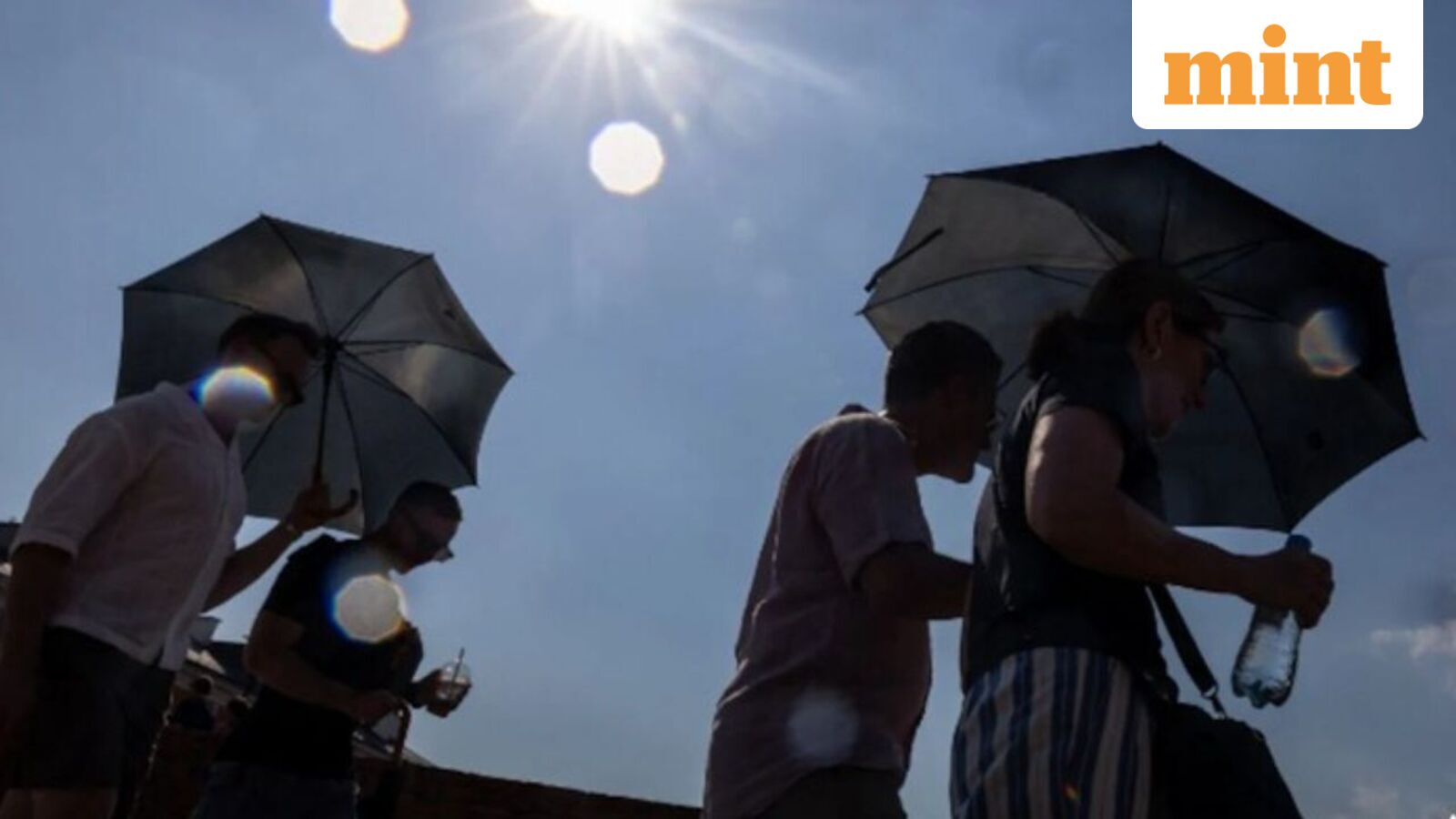
A heat dome settled over the western United States on Saturday, pushing temperatures close to record highs and raising wildfire risk across multiple states. Las Vegas hit 115 degrees Fahrenheit by late afternoon, one degree shy of its daily record. Phoenix was forecast to reach 116F. El Centro in California expected 118F, a potential record. Great Falls, Montana, could hit 104F, also a record. The National Weather Service warned that overnight temperatures in parts of Nevada would stay in the upper 80s to low 90s, offering little relief.
The heat wave is relatively short-lived, forecasters said. The combination of extreme heat, dry vegetation and strong winds has already elevated wildfire risk. Washington Governor Bob Ferguson declared a state of emergency on Saturday after high temperatures and winds intensified several wildfires. He banned most outdoor and agricultural burning through the end of September. The National Weather Service issued a rare “particularly dangerous situation” Red Flag Alert for eastern Washington, where more than 312 square miles are burning in 12 major fires. A Red Flag Warning was also in effect in eastern Oregon, where firefighters battled the Rowe Creek Complex Fire, now covering nearly 490 square miles and 57% contained.
Cooling centres in Phoenix, Billings and Great Falls reported increased demand. The Montana Rescue Mission opened its doors early to shelter people from the heat. The Justa Center in Phoenix expected about 200 visitors on Saturday. Authorities urged residents to stay indoors, drink water and avoid prolonged outdoor activity.
For utilities operating in the region, the immediate risk is twofold: higher cooling demand can strain transmission lines, and dry conditions raise the probability of equipment-sparked fires. California’s three largest investor-owned utilities – PG&E, Southern California Edison and San Diego Gas & Electric – have faced billions in liability claims from past wildfires linked to power lines. The National Weather Service warned of enhanced wildfire threat across much of Southern California through Sunday. Low humidity in Nevada has further dried out vegetation, the agency said.
The heat dome also affects energy markets. Spot power prices in the California Independent System Operator territory often spike during prolonged heat events, according to historical data. Natural gas-fired generation typically fills the gap when solar output fades in the evening. Forced outages or public safety power shutoffs could tighten supply, analysts said.
California’s wildfire liability framework, codified in Assembly Bill 1054, allows utilities to recover some costs through a state fund if they follow mandatory safety plans. The fund has limits. In 2021, PG&E’s equipment was blamed for the Dixie Fire, which burned nearly 1 million acres. The company emerged from bankruptcy in 2020 after agreeing to $25.5 billion in settlements. Any new large fire linked to utility equipment could renew pressure on the state’s compensation mechanism, analysts said.
Southern Company, the Atlanta-based utility with an Alpha Score of 42, is not directly exposed to western wildfire risk. Its service territory covers the Southeast, where heat indices have also topped 100F this week but wildfire threat is lower. The company’s stock page shows a Mixed label, reflecting balanced fundamentals.
Meteorologist Morgan Stessman of the National Weather Service summed up the overnight conditions: “There’s just no relief overnight.”