Stocks● Neutral
Western Sydney Airport Gets October 2026 Opening Date
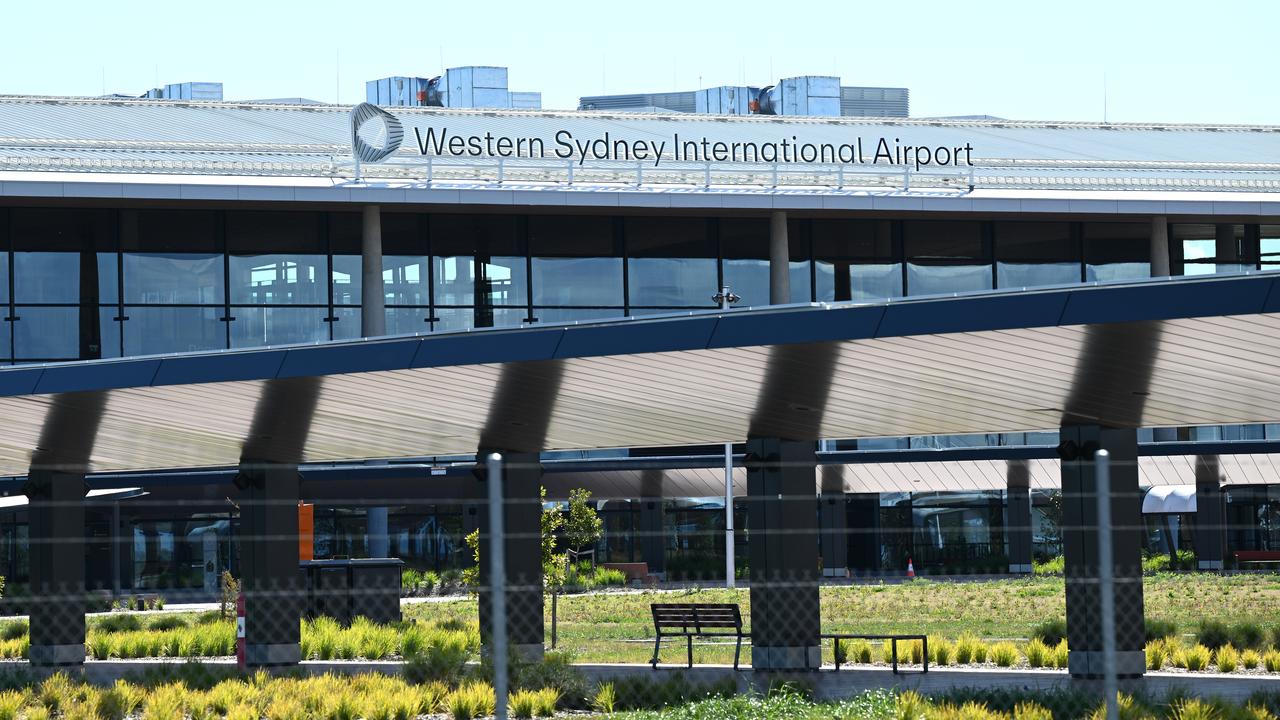
Western Sydney International Airport opens October 8, 2026. The 24-hour operation challenges Kingsford Smith's slot constraints and curfew. Qantas and Jetstar are anchor carriers. Initial capacity is 10 million passengers annually.
Continue with
Western Sydney International Airport has a firm opening date. The first commercial flight will depart on October 8, 2026, the airport's CEO said in a statement. The project has been in planning for more than 40 years.
The airport sits in Badgerys Creek, about 45 kilometers west of the Sydney CBD. It is designed to relieve pressure on Kingsford Smith Airport, which has operated at near-capacity for years. Sydney's two-airport system has been debated since the 1940s. A 2014 federal government decision finally locked in the site.
Why the October Date Matters for Capacity
Kingsford Smith handles roughly 44 million passengers a year. Its curfew runs from 11 p.m. to 6 a.m., and its slot system is among the tightest in the Asia-Pacific region. Western Sydney International will operate 24 hours a day with no curfew. That alone shifts the competitive dynamic for airlines flying long-haul routes into and out of Australia.
The airport's initial capacity is set at 10 million passengers annually. Stage one includes a single runway and a terminal designed for both domestic and international traffic. The CEO said the airport expects to serve 5 million passengers in its first full year of operation.
Airlines and Route Competition
Qantas and Jetstar have already signed on as anchor carriers. Qantas will base A220 and A321XLR aircraft at the airport for domestic and short-haul international routes. Virgin Australia has not yet committed to a base. It said it will operate flights from the airport.