Diplomatic Alignment Underpins India-US Trade and Capital Flow Outlook

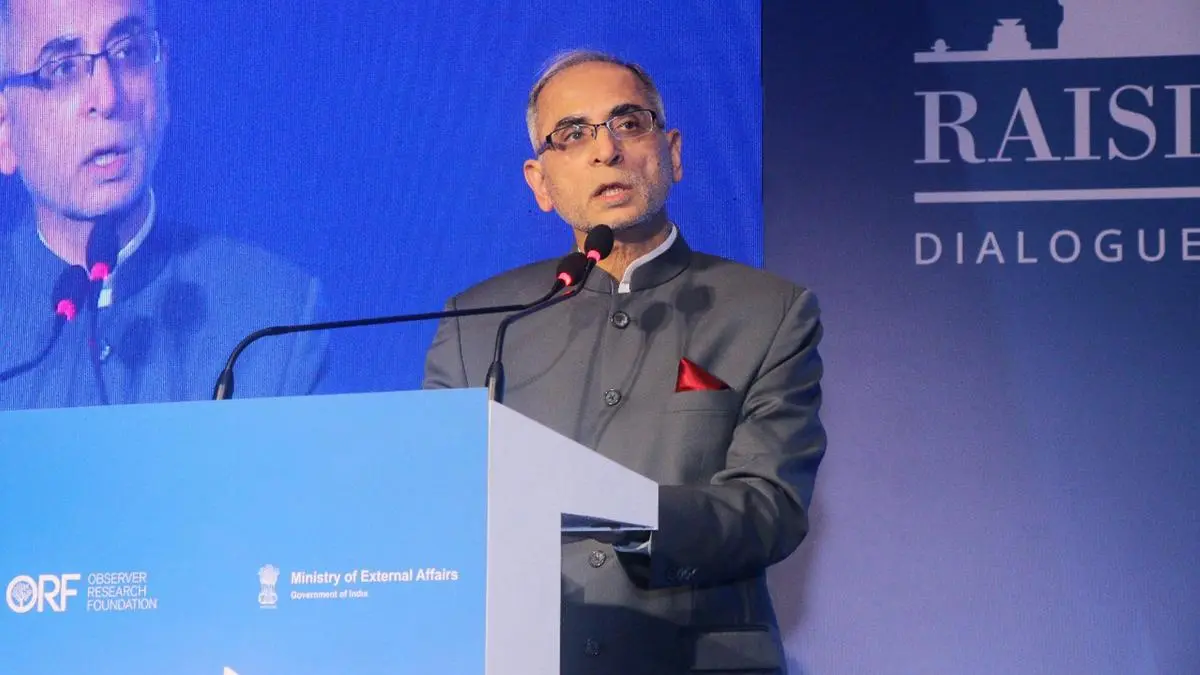
Indian Ambassador Vinay Kwatra and Congressman Pete Sessions held high-level talks this week to strengthen bilateral ties and economic cooperation between the US and India.
Indian Ambassador to the United States Vinay Kwatra met with Congressman Pete Sessions this week to discuss a deepening of bilateral cooperation. The meeting centered on aligning mutual interests, reinforcing the strategic partnership between the two nations, and identifying avenues for increased economic engagement.
Broadening Economic Cooperation
This dialogue follows a period of accelerated diplomatic activity between Washington and New Delhi, aimed at integrating supply chains and expanding technology transfers. Congressman Sessions, a member of the House Ways and Means Committee, plays an active role in shaping the legislative framework that governs international trade agreements. For market participants, the focus remains on whether these discussions translate into tangible regulatory easing for cross-border investments.
Institutional capital flows into emerging markets are often sensitive to the geopolitical health of the US-India relationship. Current discussions are likely to touch upon:
- Defense manufacturing collaboration targets.
- Semiconductor supply chain diversification.
- Energy sector infrastructure investments.
Market Implications for Global Portfolios
Investors looking at stock market analysis for the Indian subcontinent should view this diplomatic thaw as a floor for volatility. When state-level support for bilateral ties increases, the risk premium on cross-listed assets typically compresses. Traders should monitor the following areas for potential shifts in sentiment:
"The exchange represents a shared commitment to enhancing the economic and strategic framework that binds our two nations," noted the official summary of the talks.
Equity markets in India have remained resilient, often tracking the performance of the SPX and IXIC as global liquidity cycles synchronize. If these diplomatic discussions lead to formal trade memoranda, expect increased interest in Indian manufacturing stocks and US tech firms with high exposure to the Indian consumer base.
Monitoring the Pipeline
Market participants should watch for upcoming announcements regarding the Initiative on Critical and Emerging Technology (iCET). This program serves as the functional engine for the political rhetoric shared by diplomats. Any specific updates on export controls or joint venture approvals in the tech sector will act as a primary catalyst for capital allocation.
Traders should also note that currency stability remains a key variable. While the INR has seen periods of pressure, sustained diplomatic support often precedes central bank cooperation, which can help stabilize the pair against the USD. Focus on the legislative calendar for the Ways and Means Committee, as any movement on tax treaties or investment incentives will provide the next tradeable signal.
Stronger diplomatic ties serve as a prerequisite for the long-term capital commitments required to shift global manufacturing hubs.
AI-drafted from named primary sources (exchange feeds, SEC filings, named news wires) and reviewed against AlphaScala editorial standards. Every price, earnings figure, and quote traces to a specific source.