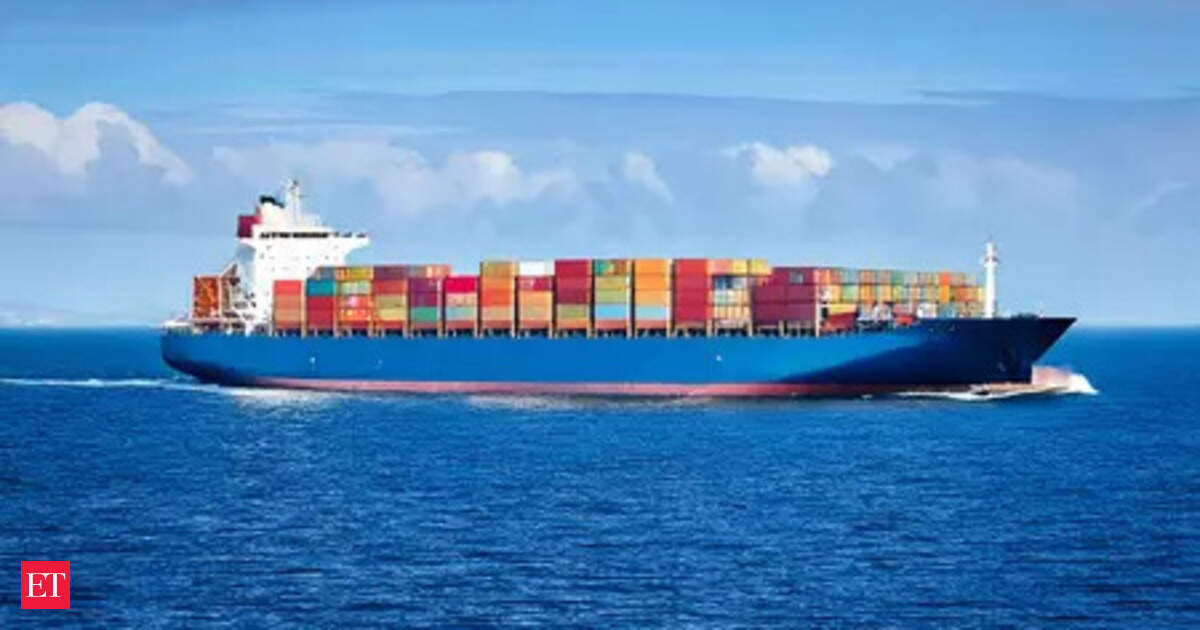
Escalating geopolitical tensions in West Asia are creating significant headwinds for the Indian Rupee as trade routes face disruption and energy import costs remain volatile. The NITI Aayog report identifies these regional instabilities as a primary threat to India's macroeconomic stability, specifically noting the potential for a widening current account deficit. As the cost of imported energy rises, the demand for foreign currency to settle these transactions places persistent downward pressure on the Rupee.
Trade Route Disruptions and FTA Delays
The conflict has introduced logistical bottlenecks that threaten the efficiency of India's merchandise and services trade. Beyond the immediate impact on shipping costs and insurance premiums, the geopolitical climate has effectively stalled negotiations for the India-Gulf Cooperation Council Free Trade Agreement. This agreement was intended to serve as a cornerstone for expanding bilateral trade volumes and diversifying export markets. The current impasse prevents the formalization of tariff reductions and regulatory alignment that would otherwise provide a buffer against external economic shocks.
Macroeconomic Vulnerability and Exchange Rate Mechanics
India's reliance on energy imports from the Gulf region creates a direct transmission mechanism between regional conflict and domestic currency depreciation. When geopolitical risk premiums spike, the resulting surge in oil prices forces a larger outflow of capital, which complicates the Reserve Bank of India's efforts to manage exchange rate volatility. While service exports have demonstrated resilience, they are currently insufficient to fully offset the trade deficit expansion caused by elevated energy prices. The structural dependency on these specific trade corridors means that any further deterioration in regional security will likely force a reassessment of the country's fiscal and monetary policy trajectory.
AlphaScala data currently reflects a mixed outlook for several sectors that may be sensitive to broader macroeconomic shifts, including NOW stock page with an Alpha Score of 53, AS stock page at 47, and A stock page at 55. These scores highlight the current environment of uncertainty across both technology and cyclical sectors as they navigate global supply chain pressures.
Market participants should monitor the upcoming trade balance data for signs of sustained import cost inflation. The next critical marker for the Rupee will be the central bank's response to the widening current account gap, specifically whether policymakers prioritize currency intervention or allow for further depreciation to maintain competitive export pricing. The resolution of the India-Gulf Cooperation Council trade talks remains the primary indicator for long-term structural improvement in the trade balance. For broader context on how regional conflicts influence currency pairs, see our forex market analysis.