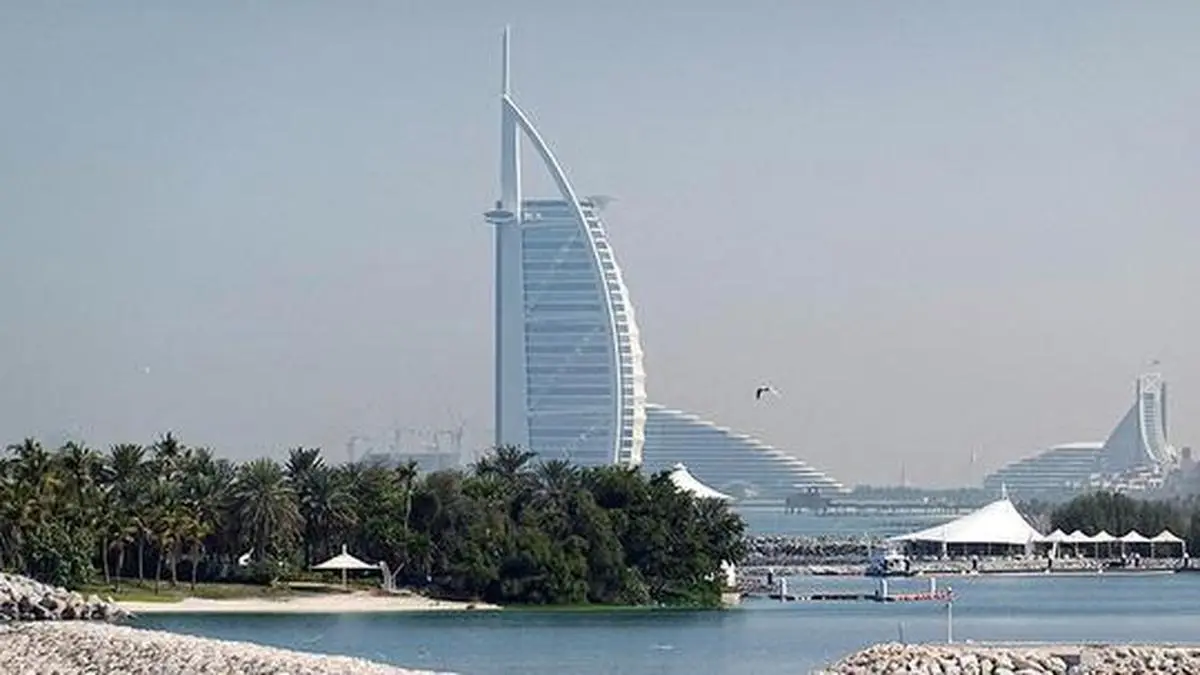
The hospitality sector across West Asia is currently undergoing a aggressive pricing pivot as regional operators attempt to recover from a two-month period of suppressed demand. Following the recent Iran-US conflict, which triggered widespread airspace closures and flight cancellations, hotels are now deploying deep discounts and family-centric incentives to lure travelers back to the region. The urgency of these promotions is underscored by the sharp contraction in regional travel infrastructure, most notably the 66 per cent year-on-year drop in passenger traffic at Dubai airport during March.
The Mechanism of Regional Recovery
The current promotional environment is not merely a seasonal adjustment but a direct response to the restoration of air traffic. With the UAE’s General Civil Aviation Authority announcing the full resumption of air traffic on Saturday and Qatar opening its airspace to foreign airlines on April 20, the supply side of the tourism equation has finally stabilized. However, the demand side remains bifurcated. While individual and family travel is showing signs of a recovery following the declaration of a ceasefire, the corporate segment remains largely sidelined due to lingering company travel policies.
This creates a specific liquidity and occupancy challenge for major operators. Hotels in Abu Dhabi and Oman are attempting to bridge this gap by offering preferential rates, complimentary room upgrades, and incentives for group bookings. For IHG and Hyatt, the strategy has shifted toward loyalty-based retention, with both chains offering bonus points for guests attending conferences or events. This move is designed to lock in high-value travelers who may be hesitant to commit to the region, effectively using loyalty currency to offset the perceived risk of future travel disruptions.
Qatar’s Family-Focused Strategy
Qatar is executing the most aggressive tactical play in the region through the 'Kids Explore Free' initiative. By allowing children under 12 to stay and eat for free when sharing a room with parents, the tourism board is attempting to capture the family leisure market during the May-September period. This five-month campaign involves over a hundred hotels and resorts, signaling a coordinated effort to normalize the region as a family-friendly destination. The goal is to shift the narrative from a conflict-affected zone to a center for entertainment and culture, though the success of this pivot depends heavily on the sustained stability of regional airspace.
Airline Promotions and Capacity Restoration
Regional carriers are acting as the primary transmission mechanism for these hotel discounts. Emirates is currently restoring 96 per cent of its global network, a move that is essential for the revival of transit traffic through Dubai. Simultaneously, Etihad Airways is leveraging its loyalty program, offering a 10 per cent discount on seats across its network for club members. This alignment between airline capacity restoration and hotel promotional pricing is a critical indicator of the sector's recovery speed. If the current pace of capacity restoration continues, the next phase of the recovery will likely be defined by the return of corporate travel, which remains the missing piece of the revenue puzzle.
Valuation and Operational Risk
For investors, the current environment presents a complex risk-reward profile. While the resumption of air traffic is a necessary condition for recovery, the depth of the discounts being offered suggests that hotels are sacrificing margins to maintain occupancy levels. The fact that summer rates in the UAE are significantly lower than in previous years indicates that pricing power remains weak. Traders should monitor the conversion rate of these promotions into actual occupancy figures, as the current reliance on incentives may lead to a prolonged period of margin compression even as volume returns.
AlphaScala’s current data on IHG reflects this uncertainty, with an Alpha Score of 52/100 and a 'Mixed' sentiment rating. This score highlights the tension between the company's global footprint and the specific operational risks currently facing its West Asian portfolio. The primary risk to the current recovery thesis is a reversal in the regional security situation, which would immediately negate the gains from the recent ceasefire. Conversely, a sustained period of stability would likely see these promotional offers phased out, allowing for a gradual normalization of room rates and a potential improvement in sector margins. For those conducting stock market analysis, the focus should remain on whether the current surge in individual travel can provide enough of a buffer to sustain hotel operations until corporate travel budgets are fully reinstated.