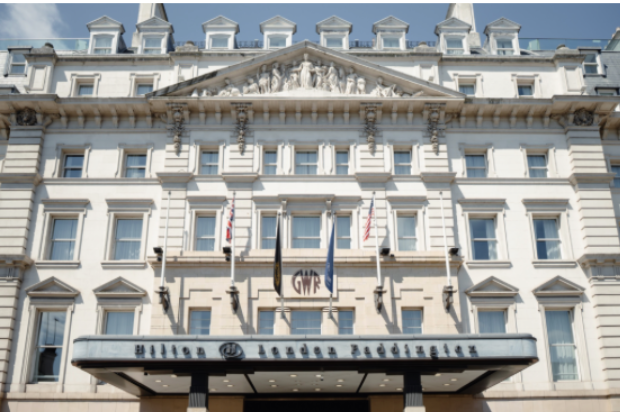
Hilton London Paddington, the 173-year-old listed hotel above Paddington Station, has started a multi-million-pound renovation. The project is heritage-led, meaning the property will preserve its architectural character while upgrading interiors, guest rooms, and public spaces. For Hilton Worldwide (HLT), this is more than a property refresh. It is a test of the company's willingness to invest capital in owned assets versus returning it to shareholders.
The Capital Allocation Signal in an Asset-Light Model
Hilton Worldwide operates a predominantly asset-light model. It franchises most of its hotels and retains ownership of only a few flagships. Hilton London Paddington is one of those. A multi-million-pound spend on a single owned hotel raises a direct question: does the return on invested capital justify the outlay? The renovation suggests Hilton sees long-term value in maintaining a premium position in central London, a market with uneven corporate travel recovery and fluctuating occupancy.
The better market read is that this investment is not purely about the hotel's cash flows. It is about brand leverage. A historic property carrying the Hilton name into a high-profile location strengthens brand association with quality and heritage. That can support pricing power across the UK portfolio. Rival chains such as Marriott and IHG have made similar bets on heritage properties to differentiate their luxury tiers. Hilton's decision to spend now indicates confidence that the brand premium will exceed the cost of disruption during construction.
The UK Hotel Capex Thesis and RevPAR Impact
Beyond Hilton, the renovation fits a broader pattern. London hotel owners are spending on existing properties rather than building new ones. Planning restrictions, high construction costs, and the premium on heritage status make renovation the most viable path to upgrading room inventory. Hilton London Paddington's project adds a concrete example to that thesis.
If the hotel sees a measurable lift in RevPAR (revenue per available room) after completion, it could encourage other London hotels to pursue similar capex programs. During the construction phase, some rooms may be temporarily out of service, tightening supply and potentially supporting pricing for nearby competitors. The opposite scenario is a weak RevPAR response after renovation, which would slow the pace of hotel renovation spending across the sector.
The Next Decision Point for Hilton Investors
The renovation timeline is the next concrete marker. Hilton has not disclosed a target completion date. Comparable heritage renovations in London typically take 12 to 18 months. A delay would increase disruption costs and reduce the net present value of the investment. An on-time finish would validate the planning and execution. Either way, the multi-million-pound bet on Hilton London Paddington offers a real-world case study in the economics of historic hotel repositioning.
For investors, the renovation also frames the larger debate about Hilton's capital allocation. The company generates substantial free cash flow. Every dollar spent on owned assets is a dollar not used for share buybacks or dividends. If the Paddington renovation delivers a clear premium, it supports the argument for selective owned-asset investments. If it fails, the argument for an even lighter balance sheet grows stronger.
The next update worth watching is Hilton's quarterly earnings call, where management may discuss the Paddington project and its expected returns. Investors should also track London hotel RevPAR data from industry sources like STR. A sustained improvement in that metric would confirm the renovation's rationale. For a wider perspective on hotel sector trends, review AlphaScala's stock market analysis.