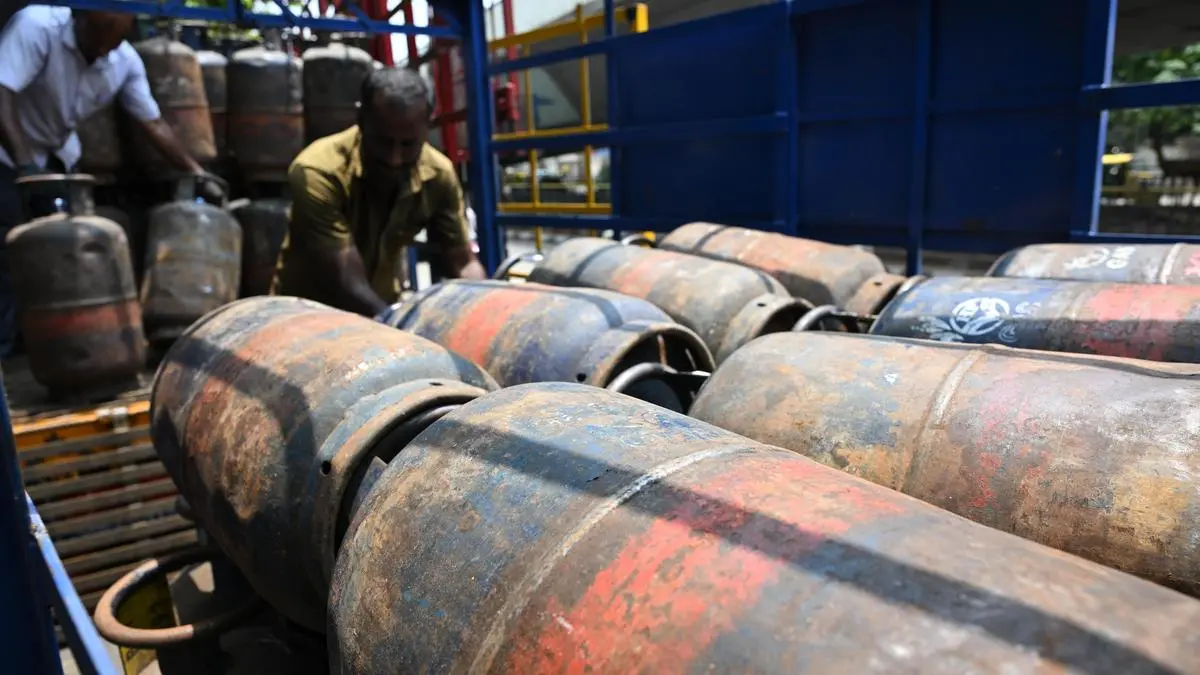
The escalation of conflict in West Asia has triggered a sharp contraction in India's liquefied petroleum gas (LPG) market, with commercial and industrial sales plummeting to record lows during March. This disruption stems from the volatility in maritime logistics and supply routes that are critical to the flow of energy products from the region to the Indian subcontinent. As a primary importer of energy, India faces immediate pressure on its industrial supply chain, where LPG serves as a vital feedstock and fuel source for various manufacturing processes.
Supply Chain Fragility and Industrial Impact
The decline in sales reflects a systemic bottleneck rather than a shift in domestic demand. Commercial entities, which rely on consistent LPG deliveries to maintain operational continuity, are now contending with delayed shipments and rising logistics costs associated with the regional instability. The reliance on West Asian suppliers creates a direct transmission mechanism between geopolitical tensions and the operational costs of Indian industrial firms. When these supply chains are interrupted, the immediate effect is a reduction in available inventory, forcing commercial users to scale back consumption or seek alternative, often more expensive, energy sources.
This situation highlights the vulnerability of energy-intensive sectors to regional conflicts that lie outside their direct control. The following factors are currently compounding the pressure on the sector:
- Increased shipping insurance premiums for vessels traversing conflict-prone maritime corridors.
- Extended transit times caused by the rerouting of tankers to avoid high-risk zones.
- Reduced availability of spot-market cargoes as suppliers prioritize long-term contractual obligations.
Sectoral Read-through and Market Context
The ripple effects of this supply contraction extend beyond the immediate energy sector, impacting broader stock market analysis regarding industrial output and manufacturing margins. Companies that depend on stable energy pricing and consistent delivery schedules are likely to see margin compression if these supply constraints persist. While the current focus remains on the logistical hurdles in West Asia, the broader market is monitoring how these disruptions influence the pricing power of domestic industrial manufacturers.
AlphaScala data currently reflects a cautious environment for broader consumer and technology sectors, with Lowe's Companies Inc. (LOW stock page) holding an Alpha Score of 47/100, ON Semiconductor Corporation (ON stock page) at 45/100, and Amer Sports, Inc. (AS stock page) at 47/100. These scores indicate a mixed outlook, suggesting that while specific supply chain shocks like the LPG decline are localized, they contribute to a wider climate of uncertainty for companies with globalized procurement strategies.
The next concrete marker for this narrative will be the April import data and the subsequent update on domestic industrial production indices. These figures will clarify whether the March decline was an isolated logistical anomaly or the beginning of a sustained period of energy supply volatility that could dampen industrial growth forecasts for the coming quarter.