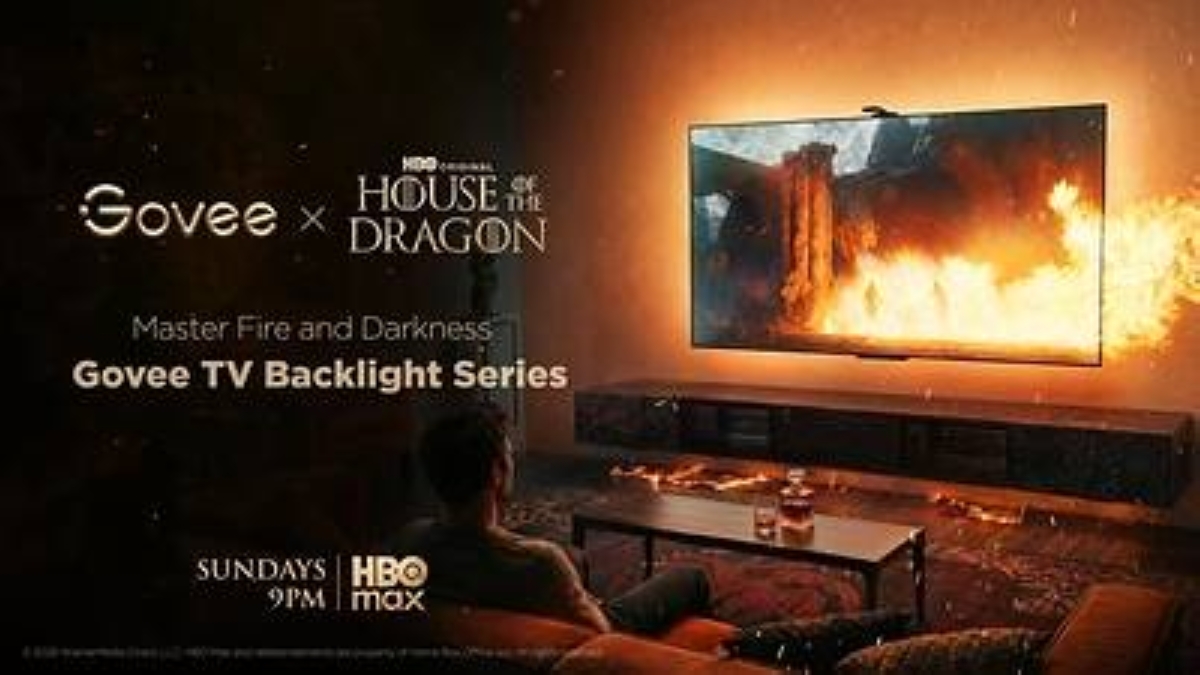
Warner Bros. Discovery licensed a “House of the Dragon” theme to Govee, a smart lighting brand. The deal runs through the eight-episode third season, closing August 9. It generates royalties for WBD without incurring production costs.
The revenue is small relative to WBD’s $40 billion market cap. The strategic logic is broader than the check size. WBD reported $1.2 billion in content licensing revenue last quarter. The Govee license sits in that line. Margins on software-based licensing are high. The hardware sell-through, packaging, and in-store placement are Govee’s problem.
WBD carries an AlphaScala Score of 41 out of 100, reflecting a Mixed outlook. The WBD stock page shows a valuation discount relative to its media peers. Management has pitched the Dragon franchise as a multi-year asset spanning streaming, gaming, and consumer products. This deal adds a lighting channel. The retail visibility helps bridge the gap between seasons two and three without a big marketing budget attached to it.
Disney follows a similar playbook with its Smart Castle lighting and Star Wars droids. Netflix has done “Squid Game” costumes and “Stranger Things” Pop Tarts. The margin stack works the same way: a license fee plus a royalty equals pure margin. Production risk is zero. The constraint is shelf space and campaign duration.
The deal runs eight weeks. Licensing revenue models typically require multi-year campaigns to move the needle. WBD is starting short. A successful run could extend to Dragon season four or other HBO titles like The Last of Us and The White Lotus. The lower bound is a one-off seasonal promotion that gets buried in the sales line.
Govee is privately held. The fee structure is undisclosed. Smart lighting as a category grows roughly 15% a year, and IP tie-ins lift average selling prices by 20 to 30% against generic SKUs. Govee competes with Philips Hue and Nanoleaf. Its differentiator is the real-time camera sync, a feature the higher-end Backlight 3 model pushes with a 4MP dual-camera sensor to capture the show’s low-lit photography.
WBD shareholders are looking for signs of IP monetization beyond the HBO Max subscriber count. This deal is a marginal positive. It shows the marketing team securing real retail shelf space. It does not move free cash flow. It is a data point for the bull case that Dragon is a permanent franchise asset rather than a one-season hit.
WBD reports next quarter in July. The licensing line will be one metric to watch. Govee’s Amazon sales rank for the Backlight 3 during the June 21 to August 9 run will provide the market feedback.