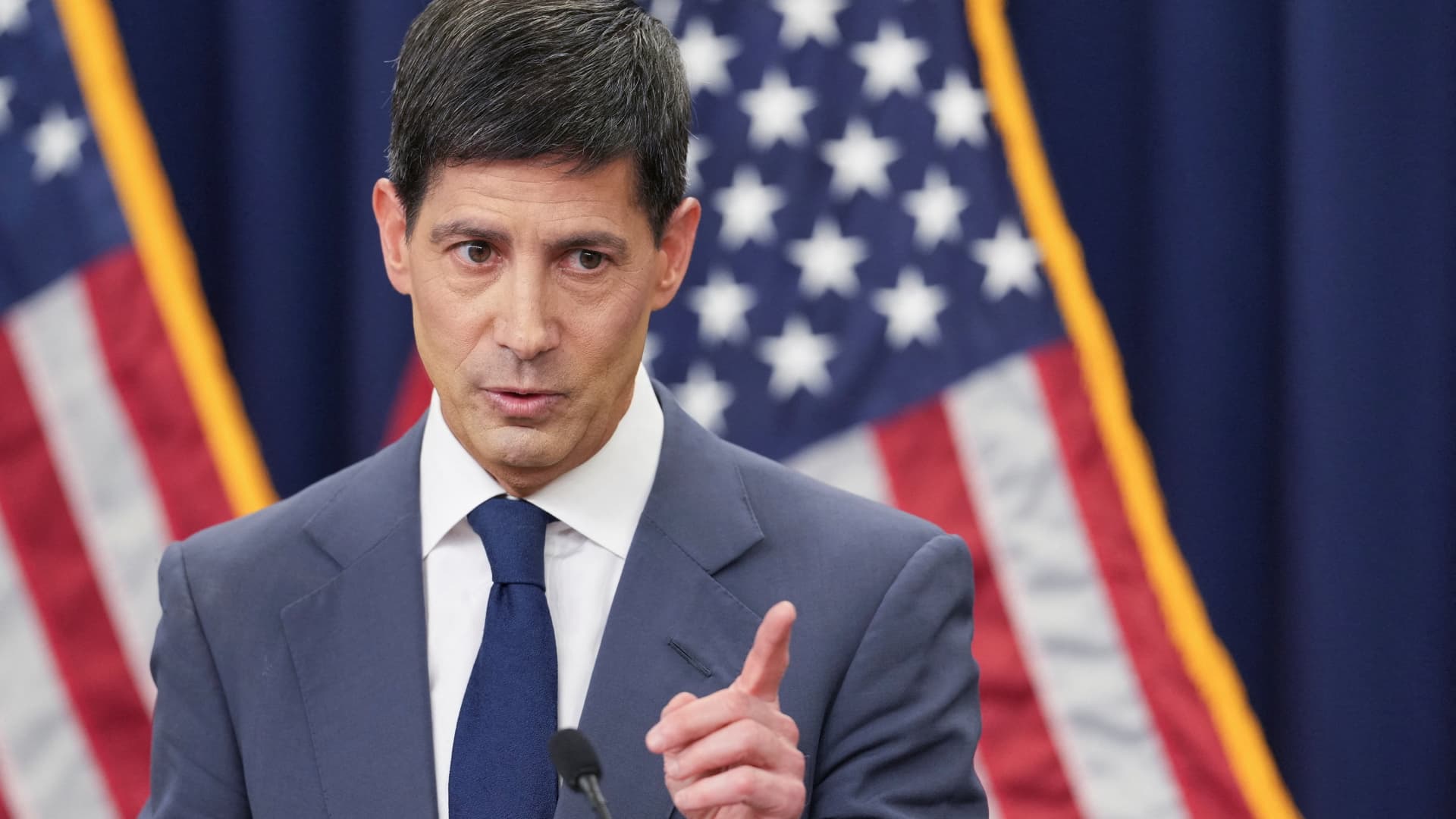
Kevin Warsh chaired his first Federal Open Market Committee meeting this week. The committee held the federal funds rate at 4.50%-4.75%, a decision markets had fully priced in. The real shift came in what Warsh said afterward.
Warsh used his post-meeting press conference to announce a formal review of the Fed's monetary policy framework. He called the current setup – the flexible average inflation targeting experiment adopted in 2020 – "unsatisfactory." The review will examine how the Fed communicates its reaction function, its use of forward guidance, and whether the balance-sheet runoff process needs changes. Warsh said the work would be "conducted with urgency" but did not commit to a specific deadline.
The 2020 framework let the Fed tolerate above-target inflation to make up for past misses. Warsh criticized that approach before taking the job, arguing it tied the central bank's hands when inflation ran hot in 2021-2022. Now he has the authority to rewrite the rules he opposed.
The committee's statement removed language that characterized inflation as "elevated" and replaced it with a more neutral assessment. The dot-plot projections were not updated – those come with the March meeting. Markets took the news in stride. The S&P 500 closed near flat. The dollar edged higher as traders priced a slightly less aggressive rate-cut path for 2025. Bond yields moved in a narrow range.
The market's muted reaction makes sense. The framework review is a long-term project, not an immediate policy change. Still, the direction Warsh signaled has concrete implications for rate expectations. A tighter reaction function – one that responds more quickly to inflation overshoots – would reduce the odds of deep rate cuts in the next cycle. Swap markets currently price about 75 basis points of cuts this year. That pricing could shift if the review signals a more hawkish regime.
The sectors most sensitive to rate expectations felt the market's view. Regional banks, homebuilders, and real estate investment trusts all traded within a tight band. The real test comes when the review produces specific proposals. Warsh said the interpretation of maximum employment is "not static" when asked whether the dual mandate could change. That leaves room for the Fed to narrow its employment target in future cycles.
Warsh, a former Fed governor and Trump's first Treasury pick for the Fed chair role, has been preparing for this moment. His prior public criticism of the 2020 framework means markets will parse every word of the review's output for signs of a harder rule. One immediate question is whether the Fed will drop its post-2008 tendency to lean on forward guidance as a policy tool. Warsh has argued that guidance often becomes a commitment that traps the committee. If the review shortens the horizon of guidance or limits its use, that would force markets to rely more on actual data releases for rate-path signals.
The next FOMC meeting is scheduled for March 18-19. That meeting includes the quarterly Summary of Economic Projections, which will give the first formal view of where the new chair sees rates heading.