A website built by a former software engineer has become a flashpoint in the national debate over Flock Safety's license-plate reader technology. Hundreds of thousands of people a day visit "Have I Been Flocked?" – the database Cris van Pelt created in October 2025.
Van Pelt told Business Insider last week the site peaked at 60,000 unique visitors every two hours. "It's exploded over the past week," he said. The site lets anyone plug in a license plate and check it against a limited database of Flock Safety audit logs. It doesn't show whether a car was photographed by a Flock camera. Instead, it shows whether a police agency or private company searched for that specific plate.
The database now contains more than 242 million recorded searches dating back to November 2021, according to the site. Van Pelt said the site aggregates a patchwork of audit logs – records published by agencies themselves and others released through public records requests. The site warns its data is incomplete.
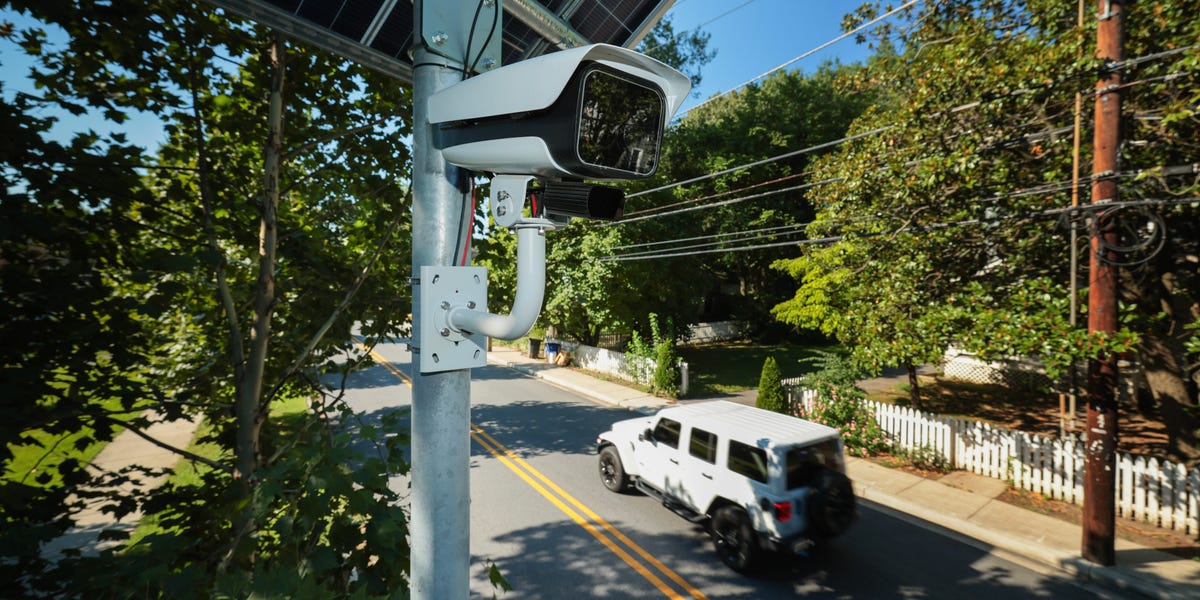
Flock Safety's cameras are used in more than 6,000 communities across 49 states, the company says. Police credit the technology with helping solve serious crimes. In December 2025, investigators said Flock data was instrumental in tracking a man accused of killing two Brown University students and an MIT professor.
But the readers have drawn increasing scrutiny. The Washington Post reported in August that at least 50 law enforcement officers had been accused of misusing license-plate scanning tech to track unknowing drivers. Flock cameras were used in 46 of those cases. Business Insider reported in March on innocent drivers pulled over at gunpoint, bitten by a police dog, or jailed after Flock's technology misread plates.
Flock announced changes in mid-August, including shortening its recommended data-retention period for new customers from a month to a week and adding tools to flag potentially improper searches. The ACLU called the changes a "thinly veiled PR attempt to counter communities' genuine privacy concerns."
Van Pelt, who left software engineering and enrolled in law school at the University of Iowa, said he built the site in a couple of weeks after reviewing Flock data. He said his goal was to show people "not only how prevalent these systems are, but how often and how unrestricted their use is." The site relies on donations through the Alternative Newsweekly Foundation, a nonprofit supporting watchdog journalism. Van Pelt said server costs run $50 to $100 a month.
He told Business Insider the site does not collect data from other automated license-plate reader companies such as Axon or Motorola Solutions, though he said he hopes others build similar sites for those companies. Motorola Solutions, which trades under MSI, competes with Flock in the public-safety surveillance market. AlphaScala's proprietary score for MSI is 42 out of 100, labeled Mixed.
Van Pelt said his concerns aren't limited to Flock. He sees the company as one piece of a broader surveillance infrastructure that includes drones, sound-detection systems, and technology from other vendors. Local governments and police departments should provide more transparency about what surveillance technologies they use and how those systems interconnect, he said.
"Ending Flock is not the end game," van Pelt said. "It's really examining the mass surveillance infrastructure."