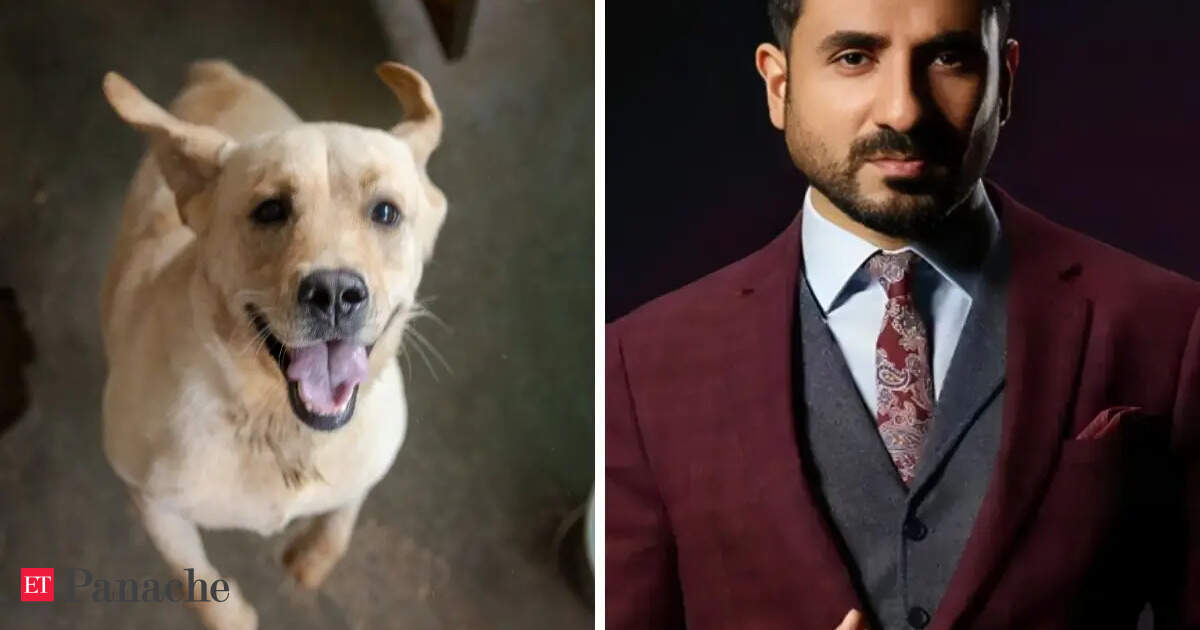
Vir Das uses a quiet dinner with his dog, Lucy, to explore the depth of companionship and the mystery of unseen histories. This reflection marks a shift.
Comedian Vir Das recently shared a personal reflection centered on a quiet dinner with his dog, Lucy. The interaction, triggered by the animal's intense reaction to a plate of steamed fish, served as a catalyst for a broader meditation on the nature of companionship. Das used the moment to contemplate the unseen chapters of his pet's life prior to their time together.
The narrative centers on the intersection of two distinct life paths. By observing Lucy's behavior during a routine meal, Das acknowledged the existence of experiences and memories that remain inaccessible to him. This realization transformed a simple domestic scene into a deeper inquiry regarding the overlapping journeys of humans and their pets. The focus remains on the emotional resonance of these quiet, daily interactions rather than the specific details of the meal itself.
This reflection highlights the tendency for pet owners to project meaning onto small behavioral cues. For Das, the steamed fish was not merely food but a bridge to understanding the complex, often mysterious history of a companion. Such moments underscore the depth of the bond between humans and animals, suggesting that the most profound insights into a relationship often emerge from the most mundane circumstances.
As Das continues to share glimpses of his life, the focus shifts toward how these small, observational anecdotes influence his broader creative output. The next marker for his audience will be whether this meditative approach to storytelling remains a recurring theme in his upcoming performances or if it marks a singular shift in his public persona. His ability to find narrative weight in the silence of a dinner table suggests a move toward more introspective content, setting a new expectation for those following his work.
For more insights on how personal narratives shape public perception, visit our stock market analysis section.
AI-drafted from named sources and checked against AlphaScala publishing rules before release. Direct quotes must match source text, low-information tables are removed, and thinner or higher-risk stories can be held for manual review.