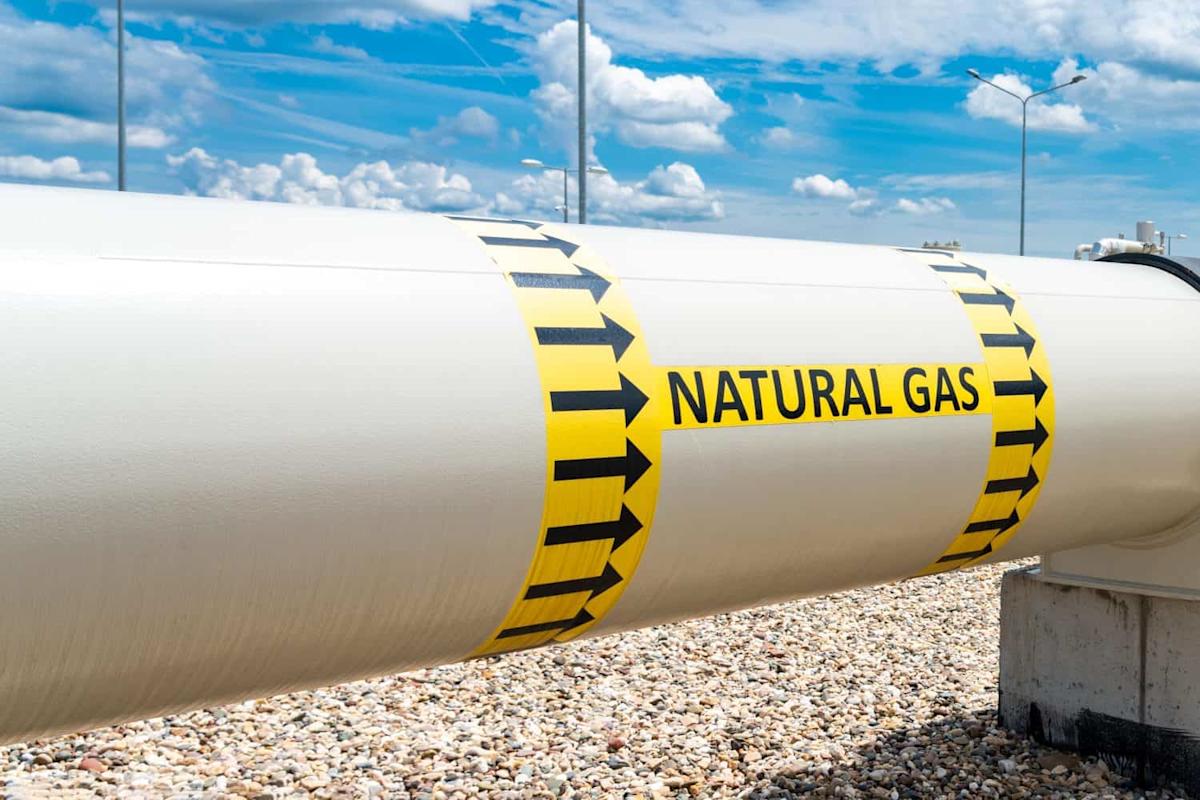
Viper Energy has shifted the narrative surrounding its mineral royalty model by leaning into the structural growth of the Permian Basin’s natural gas output. While the company is historically associated with oil production, the recent 15% increase to its base dividend signals a confidence in cash flow stability that is increasingly tied to the broader energy export infrastructure. This pivot highlights the company's ability to capture value from natural gas volumes that are increasingly destined for global markets rather than just regional hubs.
The Intersection of Royalty Yields and LNG Demand
The core of the current value proposition lies in the company's exposure to the Permian Basin, where natural gas is often a byproduct of oil extraction. As global demand for liquefied natural gas continues to rise, the infrastructure connecting the Permian to coastal export terminals becomes a critical bottleneck. Viper Energy sits in a unique position to benefit from this, as it collects royalties on production without bearing the capital expenditure risks associated with drilling or pipeline construction. This structure allows the company to participate in the upside of energy price volatility while maintaining a lean operational footprint.
Investors looking for exposure to the VNOM stock page should consider the following factors regarding the company's current positioning:
- The 15% base dividend hike reflects a shift toward more predictable, recurring cash distributions.
- Mineral royalty interests provide a hedge against inflation because revenue scales directly with commodity prices.
- The company's lack of direct operational costs protects margins even if regional gas prices face temporary downward pressure.
Valuation and Operational Leverage
Unlike traditional exploration and production firms, Viper Energy does not face the same margin compression risks during periods of high service costs. Its royalty model is essentially a claim on top-line revenue, which makes it a high-margin play on the total volume of gas and oil extracted from its acreage. As LNG stock page entities continue to secure long-term supply contracts, the royalty streams flowing to companies like Viper become more stable. This stability is a key differentiator in a sector often characterized by cyclical boom-and-bust cycles.
AlphaScala data currently assigns Viper Energy (VNOM) an Alpha Score of 59/100, labeling the stock as Moderate within the energy sector. This score reflects the balance between the company's strong royalty-based cash flow and the inherent volatility of the underlying commodity markets. The company's ability to maintain this score depends on its continued success in securing favorable royalty terms as new drilling activity commences on its holdings.
The Next Catalyst for Royalty Growth
The next concrete marker for the company will be the upcoming quarterly production report, which will clarify how much of the increased natural gas volume is actually reaching export-linked pipelines. Any update on new takeaway capacity coming online in the Permian will serve as a direct indicator of whether the company can sustain its current dividend trajectory. Investors should monitor future filings for details on new acreage acquisitions, as these will determine the long-term growth of the underlying royalty base. The transition from a purely oil-focused play to a dual-commodity income generator remains the primary narrative to track for the remainder of the fiscal year.