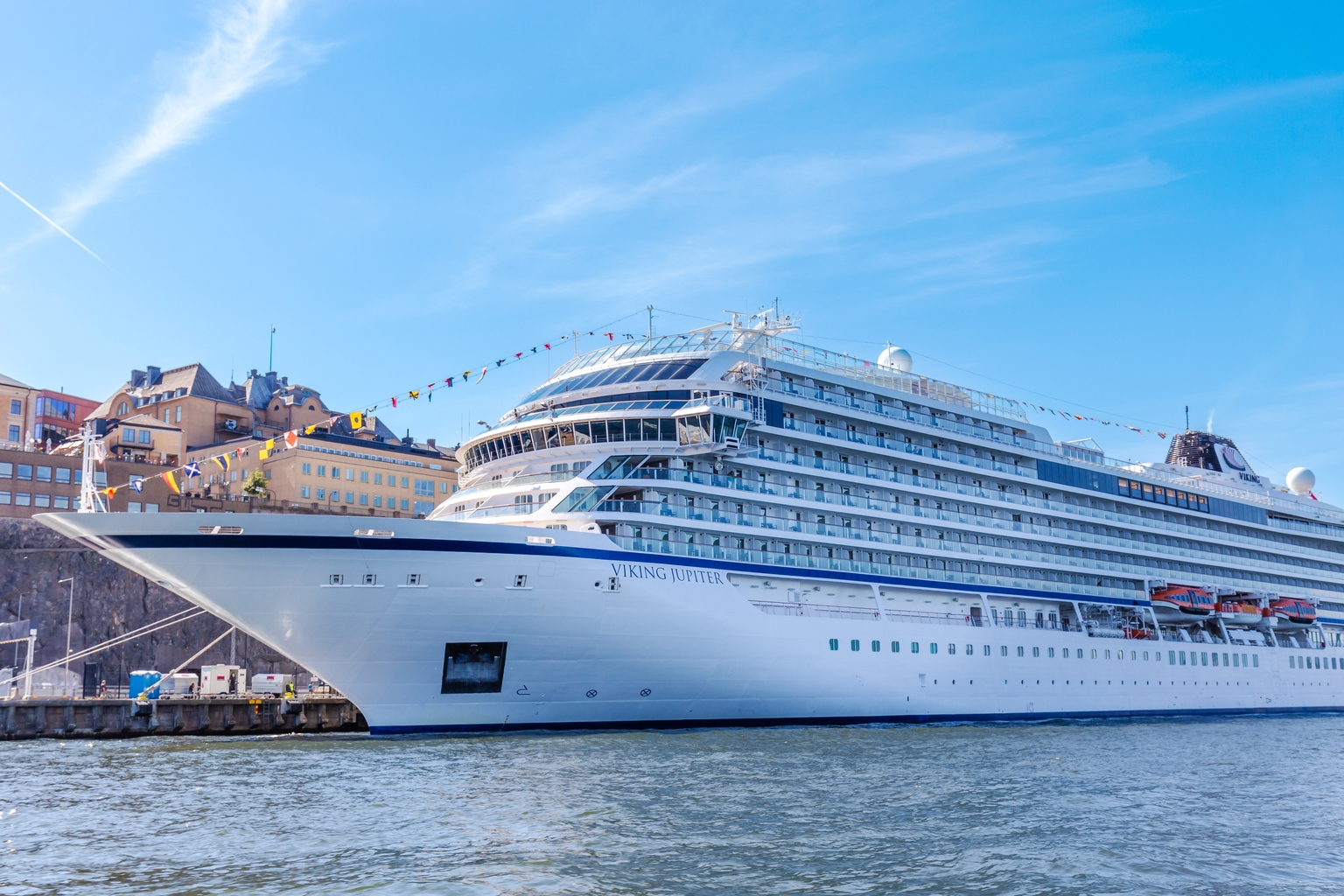
A New Standard in Cruise Equities
Following its initial public offering earlier this year, Viking Holdings (NYSE: VIK) has rapidly distinguished itself as a unique proposition within the travel and leisure sector. While the broader cruise industry has historically been defined by high leverage and massive, mass-market vessels, Viking has carved out a premium niche that is currently yielding outsized financial performance. For traders and investors scanning the market for resilience, VIK has emerged as a compelling case study in operational efficiency and disciplined growth.
The Financial Edge: Why Viking Defies Industry Trends
Viking’s current market standing is built on a business model that diverges sharply from its peers. Unlike the traditional cruise giants that focus on high-volume, lower-margin itineraries, Viking operates with a laser focus on the affluent, "thinking person’s" cruise demographic. This positioning has provided the company with significant pricing power, insulating it from some of the volatility that plagues the wider cruise market.
Financial data indicates that Viking’s balance sheet is characterized by a level of strength rarely seen in this industry. The company has maintained a robust liquidity profile, allowing it to navigate the capital-intensive nature of cruise operations without the excessive debt burdens that often weigh down competitors. This financial stability is not merely a defensive attribute; it is an offensive tool that allows the company to reinvest in its fleet and guest experience, further cementing its competitive moat.
Market Implications: Decoding the VIK Advantage
For market participants, the implications of Viking’s performance are twofold. First, the stock serves as a bellwether for the resilience of high-end consumer spending. Despite macroeconomic headwinds, the demand for premium, experience-based travel remains elevated among Viking’s core demographic. This suggests that even in a cooling economic environment, the upper-tier segment of the tourism industry continues to exhibit remarkable durability.
Second, Viking’s operational structure—which prioritizes smaller, more nimble ships and curated, port-intensive itineraries—reduces the typical overhead associated with massive cruise liners. This translates into more predictable cash flows and a more attractive risk-adjusted return profile for shareholders. As traders look to rotate capital, the consistency shown by VIK provides a defensive pivot that still offers growth potential through fleet expansion and high-margin service offerings.
Historical Context and Future Outlook
Historically, the cruise sector has been sensitive to fuel costs, geopolitical instability, and global health concerns. However, Viking’s unique model has shown a high degree of adaptability. By focusing on river and expedition cruising, the company has diversified its revenue streams beyond the traditional Caribbean-focused models that dominate the S&P 500 cruise cohort.
Looking ahead, market watchers should pay close attention to Viking’s capacity expansion plans and their impact on margins. Any deviation from their disciplined growth strategy could be a signal of shifting internal priorities. Furthermore, as the company matures as a public entity, the market will be looking for sustained evidence of free cash flow generation as a primary metric of success. Investors should monitor quarterly updates for shifts in occupancy rates and yield management, as these will be the key indicators of whether Viking can maintain its premium valuation in the coming fiscal cycles.
In summary, Viking Holdings represents a high-conviction play in a sector often dismissed for its volatility. Its combination of a specialized product offering, a strong balance sheet, and a clear growth trajectory makes it a stock that commands attention for those looking to balance risk with high-quality exposure in the travel sector.