Stocks● Neutral
Vietnam to Link Digital ID App with Singapore in Digital Push
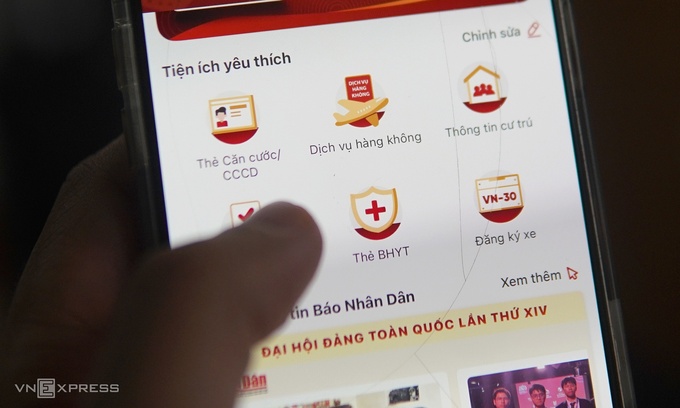
Vietnam will connect its VNeID app with Singapore's electronic ID system as part of a broader digital transformation push, according to conclusions released July 11.
Continue with
Vietnam will connect its VNeID digital identity app with Singapore's electronic ID system under a directive issued July 11, part of a broader push to integrate digital infrastructure across ASEAN. The conclusions, released by the Office of the Party Central Committee, set a timeline for the link-up and for extending the same connection to other ASEAN members.
The same directive requires agencies to finish rolling out digital identification for vehicles and unmanned aerial vehicles. It also calls for shared databases and common platforms to be built and put to use, with data governed by standards of accuracy, completeness and security.
To Lam, the general secretary, said the government would measure online services by actual usage and cost savings, not by the number of procedures moved online. He stressed that AI must remain subordinate to human authority and that data belonging to the public and businesses must be protected against leaks or unauthorized sale.
The conclusions came more than a year after Resolution 57, the Party's flagship science and technology policy, took effect. The review showed uneven progress. Digital infrastructure from the central level down to communes still lacks sufficient equipment, connectivity and staff. At the commune level, many databases remain fragmented and poorly connected, forcing officials to run several separate systems that overlap and increase workload.