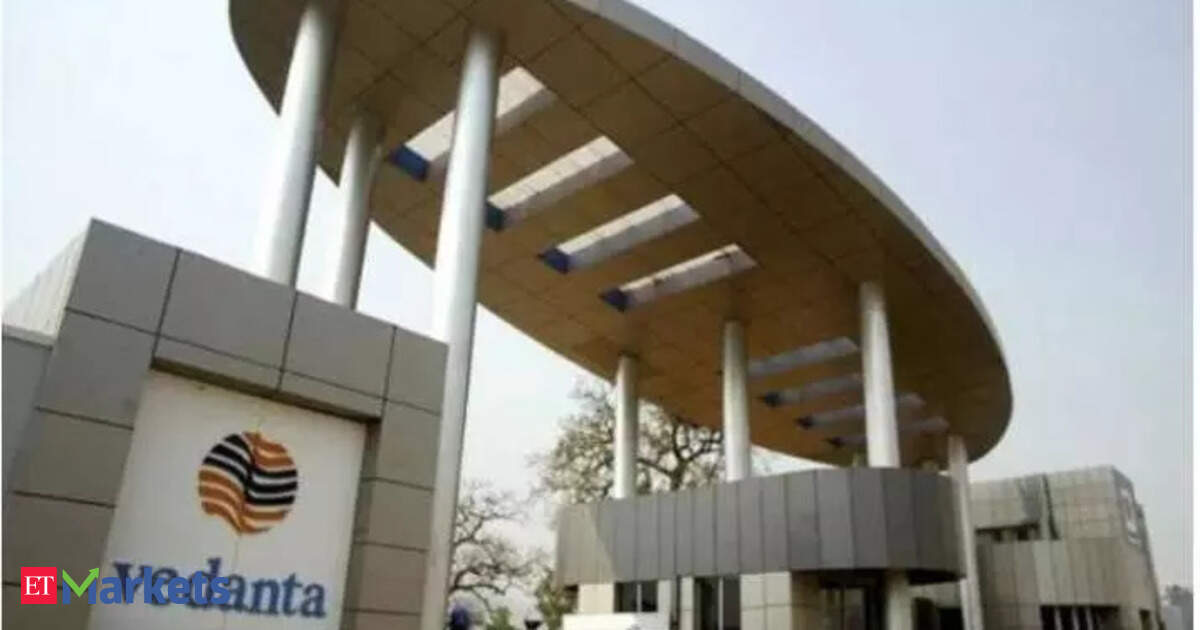
Vedanta's Oil & Gas, Iron & Steel, and Power subsidiaries fell up to 8% after Q1 business updates, while Aluminium rose. The moves offer early clues for the company’s planned de-merger.
Shares of Vedanta's subsidiary businesses took divergent paths Thursday after the company released first-quarter business updates for its key operating units. Vedanta Oil & Gas, Vedanta Iron & Steel, and Vedanta Power each fell as much as 8% in early trade, while Vedanta Aluminium climbed into positive territory.
The updates, filed with stock exchanges, give analysts a first look at each unit's operating performance before the full quarterly earnings report due later this month. The moves come as Vedanta pursues a de-merger that would spin off its aluminium, oil and gas, iron and steel, and power businesses into separate listed entities. Earlier this year, the de-merger timeline sparked doubts among investors, with some questioning whether the company would meet its own targets.
Vedanta Oil & Gas shares dropped after the update pointed to headwinds from weaker crude oil prices this quarter. Global crude benchmarks have slipped as demand concerns weigh on the commodity. Lower realisations for the unit's output likely squeezed margins.
Vedanta Iron & Steel shares fell in sympathy with a broad decline in steel stocks. Indian steel prices have remained under pressure from cheaper Chinese imports and sluggish domestic demand in key sectors such as construction and automotive. The unit's update did not flag a near‑term turnaround.
Vedanta Power shares also sold off. The power generation business faces higher fuel costs and seasonally lower demand during the monsoon months. Traders said the update confirmed a tepid quarter for merchant power sales.
Vedanta Aluminium, however, bucked the trend. Aluminium prices have held up better than other industrial metals this year, supported by supply constraints from China and steady demand from packaging and transportation. The unit's update likely reinforced expectations of a stronger earnings contribution from that segment.
The divergence among the units underscores the challenge of valuing Vedanta as a holding structure. Each subsidiary is exposed to a different commodity cycle, and the de-merger aims to let the market price them separately. For now, the Q1 updates offer the first real data points on how each standalone entity might perform. The full quarterly report, due in the next few weeks, will provide more detail on revenue, costs, and cash flows across the board.
Prepared with AlphaScala editorial tooling from the source reporting linked above. Indexable analysis may include a cited Alpha Score value. Publishing checks screen each story before release. Educational coverage, not personalized advice.