Stocks● Neutral
Vance's 'Canada Is a State' Slip Fuels Trade Tensions
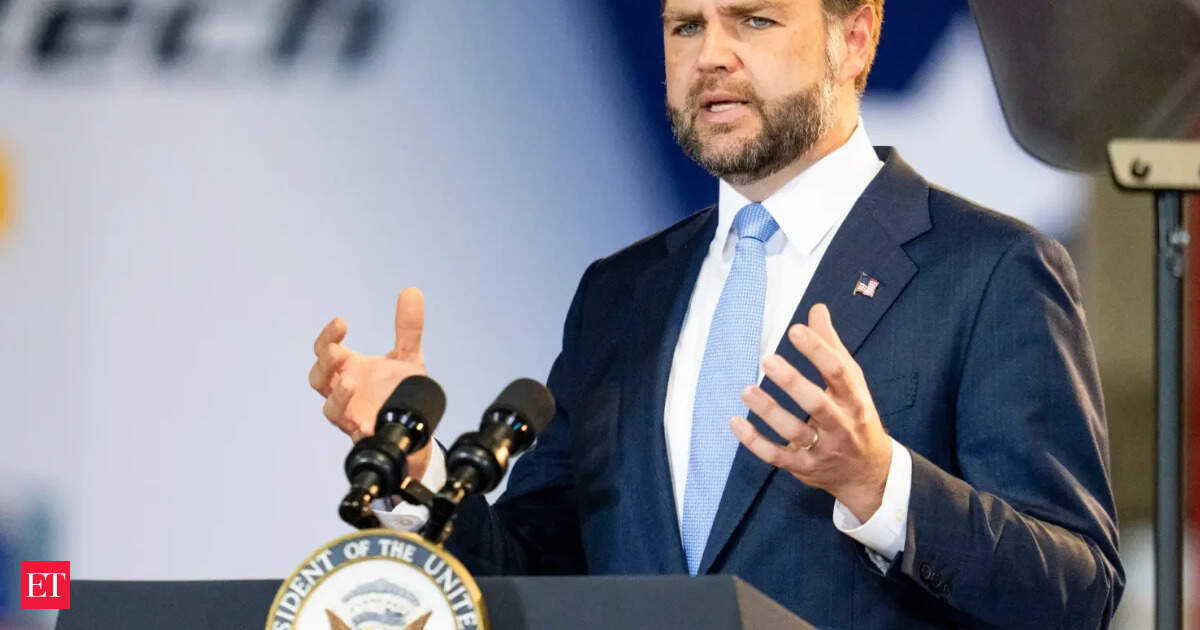
Vance calls Canada a 'state' in Freudian slip, trade talks collapse, tariffs loom for January 2027. Carney rejects US proposals. Markets brace for retaliation.
Continue with
JD Vance called Canada a state. The US vice president corrected himself almost immediately, but the remark landed in a moment when trade talks between the two countries had already collapsed.
Vance made the comment during a speech criticizing Canada's military spending and trade policies. He compared Ottawa's approach to Beijing's, then said Canada was a "state" before catching himself. The White House did not clarify whether the slip reflected administration thinking.
Trade negotiations broke down last week. The US has threatened tariffs on Canadian goods starting in January 2027. Canadian Prime Minister Mark Carney rejected the American proposals as unfair and uneconomic.
Canada is preparing retaliation. Officials have said they could use critical minerals and electricity exports as leverage. The country supplies a significant share of US uranium and is a key electricity provider to the Northeast and Midwest.
The risk for markets is straightforward. A prolonged trade dispute would hit Canadian energy, mining, and manufacturing stocks first. US companies that rely on Canadian inputs would also face cost pressure. The 2027 tariff deadline means the uncertainty will persist for years unless a deal is reached.