Back to Markets
Macro● Neutral

USS Gerald R. Ford Shatters Modern Deployment Duration Record

USS Gerald R. Ford Shatters Modern Deployment Duration Record

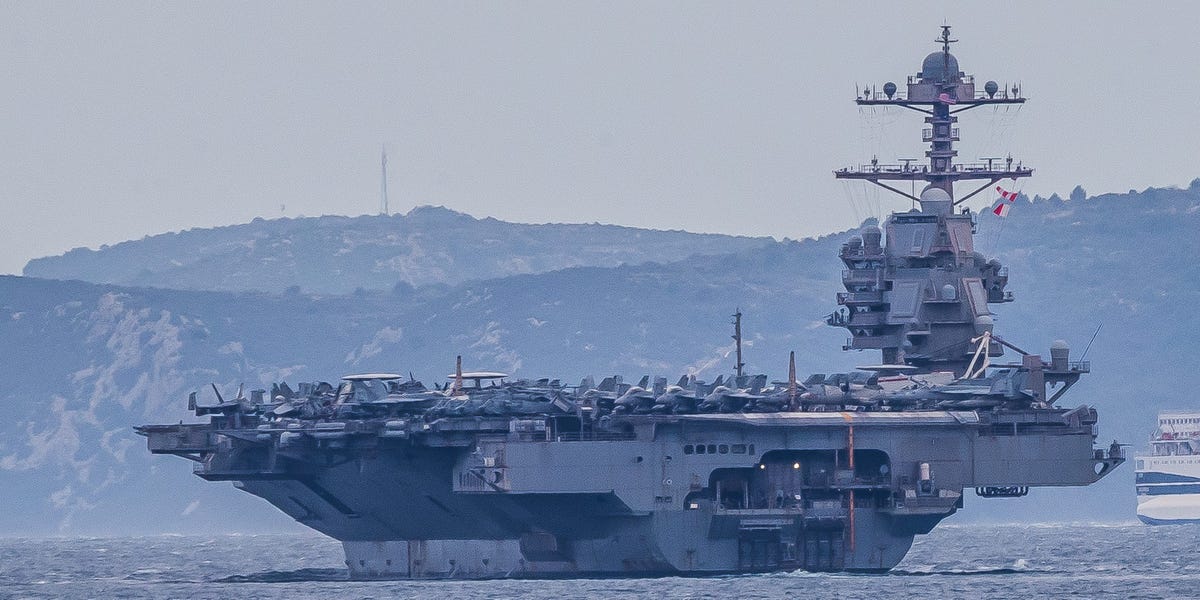
The USS Gerald R. Ford has officially surpassed modern records for the longest continuous deployment of a U.S. aircraft carrier. This milestone tests the operational endurance of the Navy's newest class of supercarrier.

A New Benchmark for Naval Endurance

The USS Gerald R. Ford is set to conclude a historic tour of duty. This supercarrier is officially breaking the modern record for the longest deployment of a U.S. aircraft carrier. The vessel has spent an extended period at sea, pushing the limits of current naval operational capabilities.

Operational Context and Scope

This deployment highlights the shifting demands on the U.S. Navy. While the service typically aims for shorter, more predictable rotations, global security requirements often force a change in plans. The Ford's extended presence serves as a primary pillar of regional stability. Traders tracking market analysis often monitor these developments as they indicate potential for increased defense spending or geopolitical friction that could impact assets like the gold profile.

"The endurance demonstrated by the crew and the ship's systems provides a clear look at how the Navy plans to manage its fleet in a high-demand environment," noted one defense analyst familiar with the deployment schedule.

Key Metrics of the Deployment

The extended mission involves several factors that set it apart from typical carrier strike group rotations. The following data points summarize the operational footprint:

  • Total duration: Surpassing previous modern records for continuous carrier operations.
  • Fleet status: The ship serves as the lead vessel of the Ford-class, testing new technologies during this extended run.
  • Strategic reach: Maintaining high-tempo operations across multiple theaters of responsibility.
Deployment MetricStatus
Ship ClassFord-class
Deployment TypeExtended Modern Record
Primary FunctionPower Projection

Market Implications for Defense Spending

Investors in the defense sector are watching these records closely. When a carrier stays at sea longer, it increases the wear and tear on the vessel and accelerates the need for maintenance. This reality often leads to larger budget allocations for shipyards and contractors. Firms involved in the crude oil profile sector also keep an eye on these movements, as naval presence often correlates with the security of critical energy supply lines.

What to Monitor Next

The Navy will now focus on the return and subsequent maintenance cycle of the Ford. Analysts are specifically looking at how the ship's advanced systems performed under the stress of a record-breaking deployment. Future procurement decisions for the remaining ships in the class will likely depend on the data gathered during this mission. If the Ford proves that its systems can handle these durations, the Pentagon may shift its strategy regarding how often it sends carriers out for extended missions.

How this story was producedLast reviewed Apr 13, 2026

AI-drafted from named primary sources (exchange feeds, SEC filings, named news wires) and reviewed against AlphaScala editorial standards. Every price, earnings figure, and quote traces to a specific source.

Editorial Policy·Report a correction·Risk Disclaimer