Macro● Neutral
India’s Women’s Reservation Bill Delay Stalls 270 New Seats
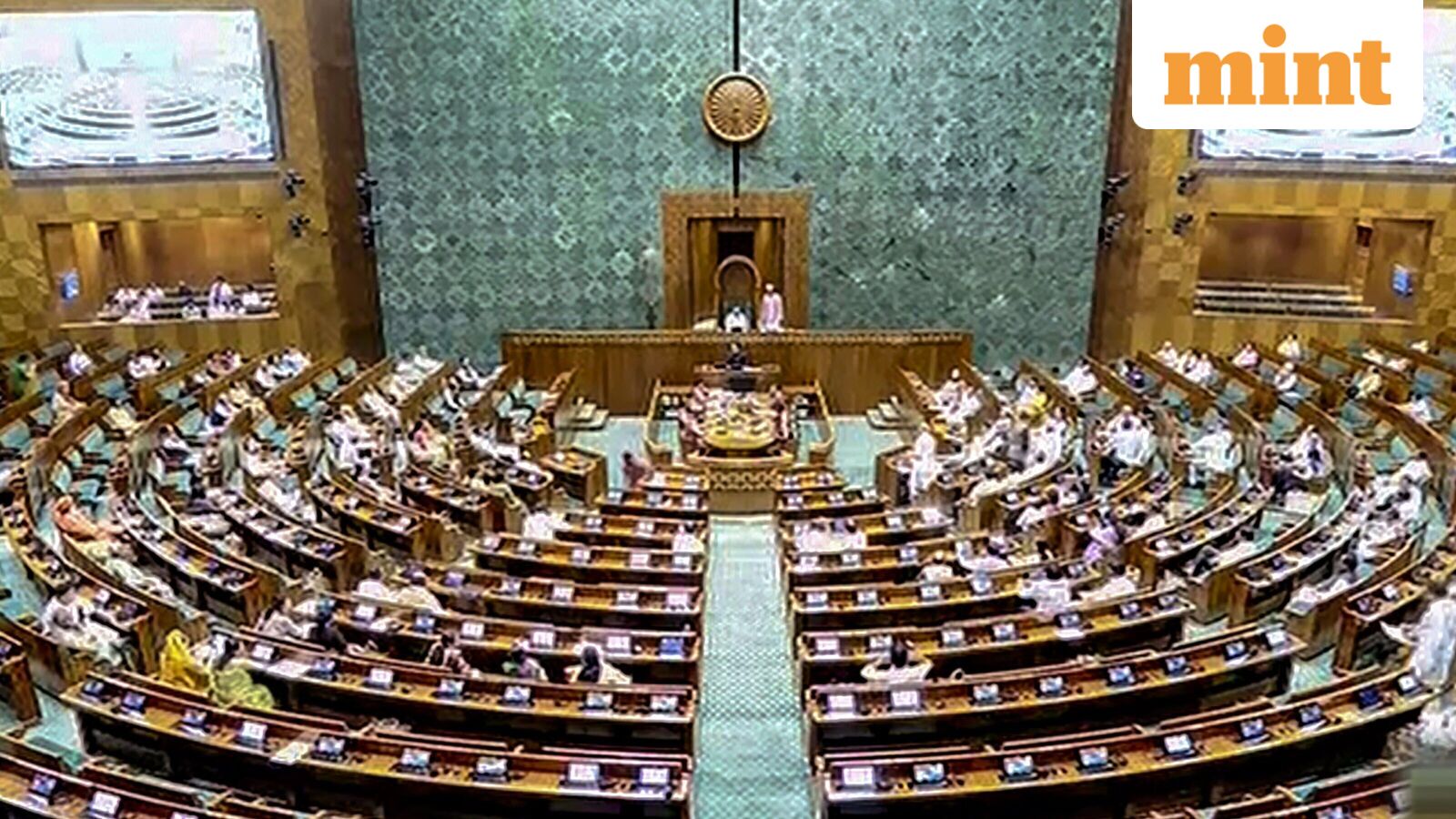
Legislative inaction keeps Lok Sabha seat distribution unchanged, creating uncertainty for political risk premiums and future parliamentary policy shifts.
Continue with
The Indian government has yet to implement the women's reservation bill despite securing unanimous passage in 2023. This delay leaves the current seat distribution in the Lok Sabha unchanged, deferring the potential addition of over 270 seats reserved specifically for women.
The Implementation Gap
While the 2023 legislation aimed to reshape the gender composition of the lower house, the lack of an execution timeline creates uncertainty for political forecasting. Traders and analysts often look to major legislative shifts as proxies for long-term policy stability and social reform, both of which influence broader market analysis of the Indian economy. Without a clear activation date, the legislative framework remains in a state of suspended animation.
Impact on Political Risk Premiums
Institutional investors typically price in political shifts through the lens of policy continuity. The reservation bill represents a major structural change to the electoral landscape that could alter the priorities of future parliamentary sessions. When legislative bodies delay the enactment of passed bills, it creates a vacuum where market participants must guess the timing of the shift rather than the impact of the policy itself.