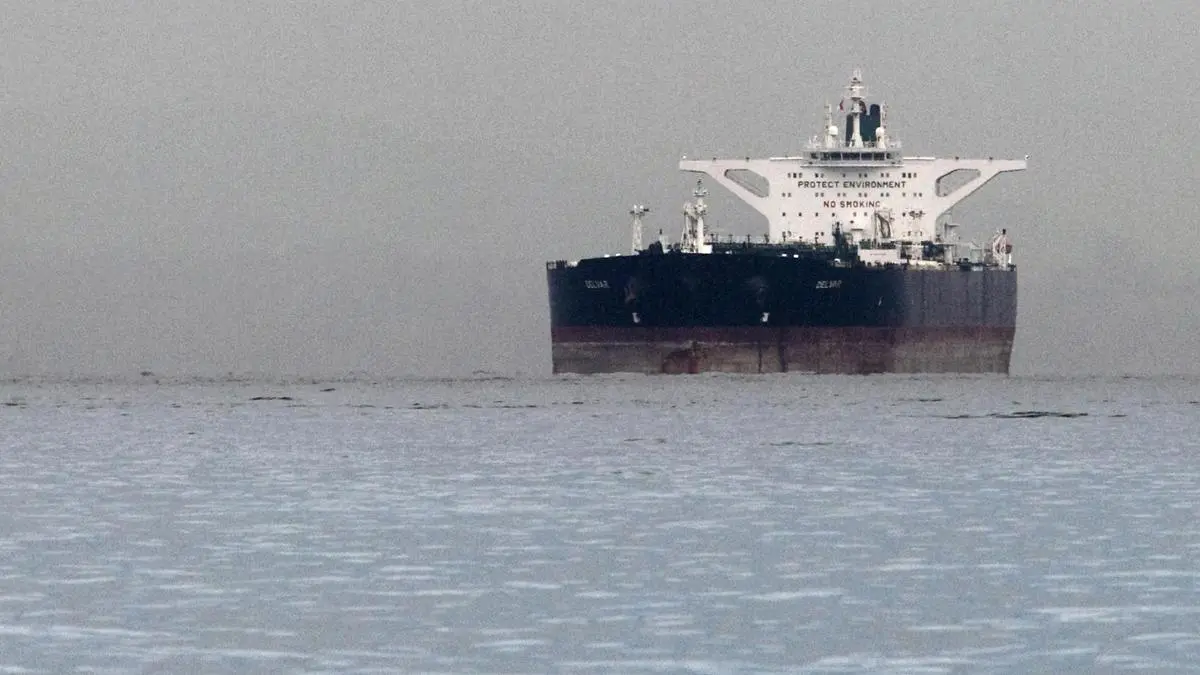
US-Sanctioned Supertankers Defy Strait of Hormuz Blockade

A second U.S.-sanctioned supertanker successfully entered the Gulf via the Strait of Hormuz, signaling potential limitations in current maritime blockade efforts.
Sanctioned Tonnage Returns to the Gulf
A second U.S.-sanctioned supertanker has breached the Strait of Hormuz, marking a tactical failure in the ongoing effort to enforce a blockade on vessels linked to Iranian port calls. Shipping data confirms the arrival of these vessels in the Gulf, suggesting that current enforcement mechanisms are struggling to deter operators willing to navigate high-risk corridors despite the threat of secondary sanctions.
The persistence of sanctioned tankers in the Gulf serves as a bellwether for the efficacy of U.S. maritime policy in the region. While the blockade aims to choke off revenue streams tied to Iranian exports, the ability of these vessels to transit suggests a localized breakdown in supply chain monitoring. Traders should note that the physical flow of oil remains detached from the regulatory attempts to curb it; if these vessels successfully load and exit, the projected supply shortfalls often cited by analysts may fail to materialize in the physical market.
Market Implications and Risk Premiums
For participants in the energy markets, the arrival of these tankers is more than a geopolitical headline. It acts as a depressant on the risk premiums usually priced into crude oil when tensions in the Strait of Hormuz flare. If sanctioned supply continues to reach global markets without significant interruption, it undermines the bullish thesis built on supply-side constraints.
- Supply Elasticity: The continued operation of these tankers indicates that the "shadow fleet" remains functional, effectively capping upside volatility in crude oil profile.
- Sanction Enforcement: Investors should monitor shifts in maritime insurance requirements. If the U.S. pivots toward sanctioning the insurers of these vessels rather than just the ships themselves, we could see a sharper reaction in tanker freight rates.
- Regional Correlation: Increased tanker activity in the Gulf typically pressures regional maritime stocks and correlates with fluctuations in gold profile as a geopolitical hedge.
What to Watch
Traders should track the specific identity of the vessels and their subsequent port calls. If these tankers offload in major Asian hubs without facing intervention, the market will likely price in a higher tolerance for sanctioned crude. Conversely, any sudden seizure or boarding operation by U.S. or allied forces would trigger an immediate spike in volatility for energy futures. Watch the spread between Brent and WTI, as any disruption in the Gulf disproportionately impacts the global benchmark compared to the U.S. domestic grade.
"The arrival of a second sanctioned vessel highlights the persistent gap between maritime policy and the realities of global energy transit."
Ultimately, the ability of sanctioned entities to move assets through critical chokepoints demonstrates that regulatory pressure alone is insufficient to halt flows when economic incentives remain high. Expect continued volatility in tanker rates and a persistent, if muted, impact on global energy pricing until enforcement mechanisms demonstrate material teeth.
AI-drafted from named primary sources (exchange feeds, SEC filings, named news wires) and reviewed against AlphaScala editorial standards. Every price, earnings figure, and quote traces to a specific source.