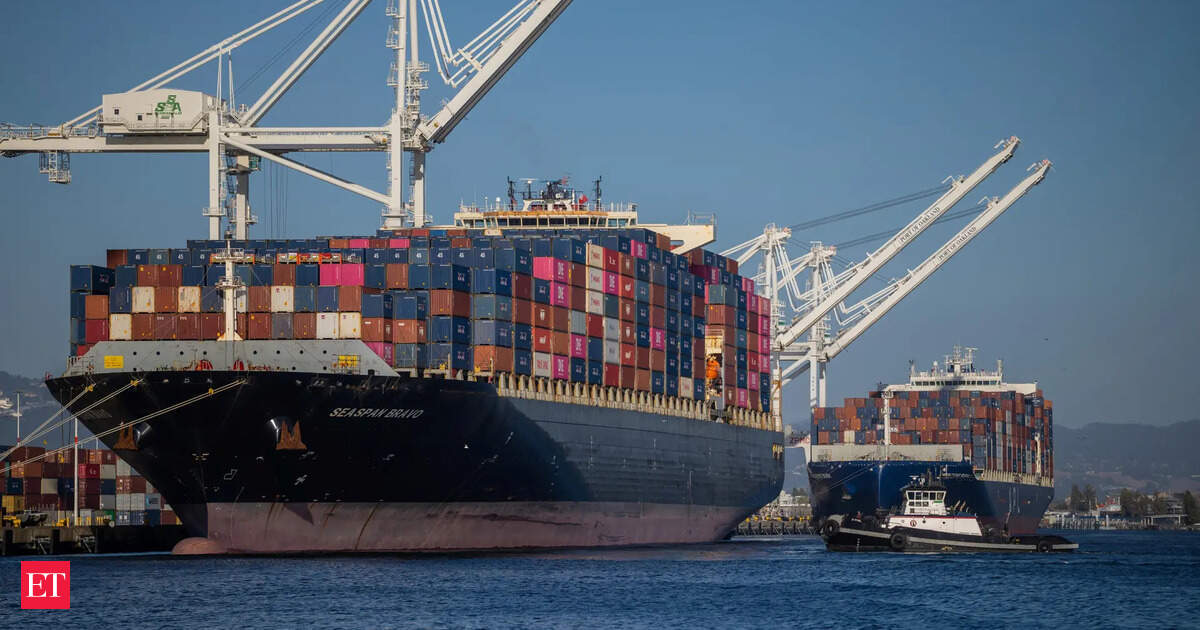
US Maritime Blockade Chokes Iranian Trade Flows in Strait of Hormuz

The US Navy has successfully forced sanctioned Iranian tankers to turn back in the Strait of Hormuz, effectively tightening the supply of crude oil from the region. This enforcement action is creating immediate pressure on Iranian exports and elevating risk premiums for energy shipping.
The US Navy has effectively shuttered maritime trade routes for sanctioned Iranian vessels, forcing ships to reverse course or abandon transit after entering the Strait of Hormuz. Intelligence reports indicate that a significant number of tankers are opting to halt operations entirely rather than risk interception, marking a sharp escalation in the enforcement of existing sanctions.
Operational Impact on Crude Flows
The Strait of Hormuz remains the world’s most critical energy artery, with roughly one-fifth of global oil consumption passing through its waters. By successfully deterring sanctioned tankers, the Navy has created a physical bottleneck that forces operators to choose between compliance and the risk of asset seizure. The economic pressure on Tehran is immediate, as the inability to move crude volumes through standard channels disrupts the primary revenue stream for the state.
"Maritime trade has been effectively stopped, raising pressure on Iran's economy, even as risks persist with spoofed ship data and volatile regional shipping conditions."
While the blockade is hitting volume, the operational environment remains complex. Ship-to-ship transfers and the obfuscation of AIS data—commonly referred to as spoofing—remain the primary methods for circumventing these controls. Traders monitoring crude oil profile data should expect continued volatility as the market attempts to price in the permanent removal of these barrels from the global supply chain.
Market Implications and Trade Risks
For energy desk traders, the reduction in Iranian tanker throughput acts as a supply-side constraint that keeps a floor under global prices. If the blockade holds, the following impacts are likely to manifest across correlated assets:
- Supply Tightness: A sustained reduction in Iranian exports forces refiners to seek alternative sour crude grades, likely tightening spreads between heavy and light oil benchmarks.
- Insurance Premiums: War risk insurance for the Persian Gulf will likely spike, increasing the landed cost of all barrels originating from the region.
- Regional Volatility: The risk of a retaliatory kinetic strike or further maritime harassment increases as the economic pressure on Tehran reaches a boiling point.
What Traders Are Watching
Market participants are tracking the movement of VLCCs (Very Large Crude Carriers) in the Gulf of Oman for signs of forced anchorage. Any uptick in the use of "dark fleet" vessels—older tankers lacking proper insurance or flag state oversight—will be a primary indicator that the blockade is forcing more desperate, high-risk transit attempts. Watch for shifts in the CL futures curve as the market assesses whether these barrels are permanently offline or merely delayed.
Traders should monitor the market analysis desk for real-time updates on tanker tracking data, as any deviation in ship behavior in the Strait will trigger immediate price action. The current enforcement strategy is less about a broad embargo and more about creating a high-friction environment that makes the cost of sanctioned trade prohibitive. Expect increased sensitivity in energy markets to any news regarding vessel seizures or naval standoffs in the coming weeks.
AI-drafted from named primary sources (exchange feeds, SEC filings, named news wires) and reviewed against AlphaScala editorial standards. Every price, earnings figure, and quote traces to a specific source.