Stocks● Neutral
U.S. Runs Secret Oil Shuttle Past Iran's Hormuz Blockade
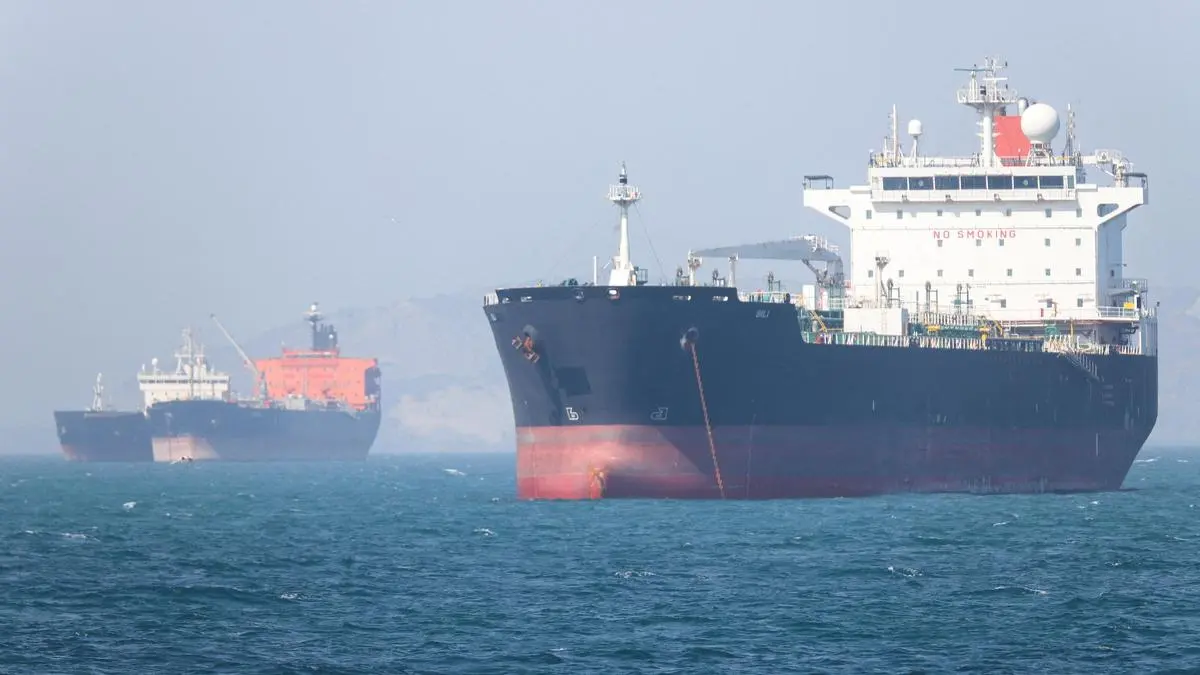
An estimated 90 million barrels have moved through a U.S.-led ship-to-ship network off Fujairah and Sohar since May, bypassing Iran's closure of the Strait of Hormuz. The tactic carries collision and retaliation risks.
Continue with
The U.S. military has been running a large-scale oil transfer operation in the Gulf of Oman since early May, using ship-to-ship transfers to move crude past Iran's blockade of the Strait of Hormuz. The technique mirrors Iran's own playbook for evading sanctions: tankers sail without transponders, with lights dimmed, and rendezvous with larger vessels to offload cargo. Reuters reported that at least 92 ships have participated in the transfers, which take place at two locations – one off Fujairah in the UAE and another off Oman's port of Sohar. Based on vessel capacities, Reuters estimated at least 90 million barrels of crude and petroleum products may have moved through the network.
The operation involves state-owned Gulf tanker fleets and international operators. The UAE's ADNOC has been among the most active participants, according to six sources. The Kuwait Oil Tanker Company transferred about 2.3 million barrels from one of its ships off Sohar on June 6, data from TankerTrackers.com showed. On the receiving side, Greece-based Dynacom Tankers Management has alluded to its role. "We are here to serve, and Greece has the tradition of breaking blockades since antiquity," founder George Procopiou said at a shipping conference.
The transfers happen under U.S. military supervision. Tankers must reach a meeting point before the strait, then stagger departures at 3,000 to 4,000 meters apart. The U.S. positions aerial surveillance and drones to monitor progress, according to a private security contractor involved in the operation. The U.S. military does not directly board vessels. "The Americans are obviously watching you all the time," the contractor said.