Stocks● Neutral
South Korea Starts Hormuz Consultations After Ceasefire Deal
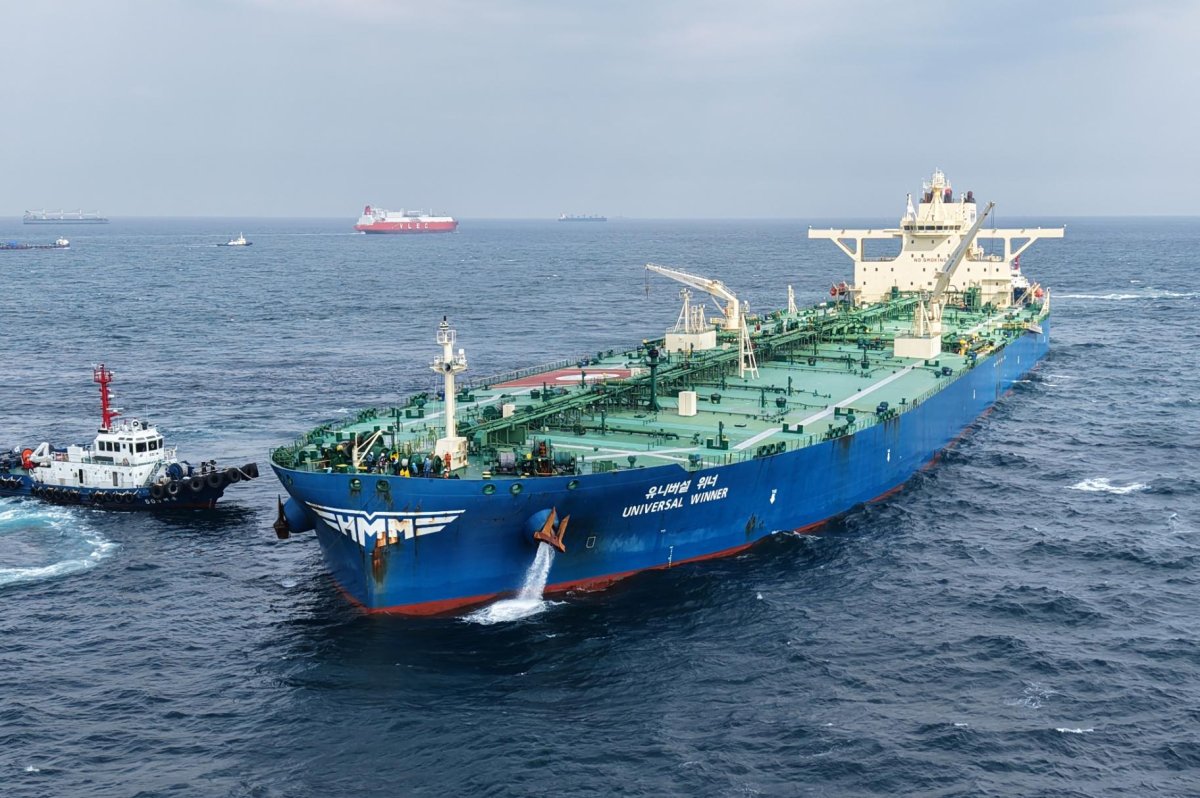
Seoul has begun talks with Washington and Tehran on Hormuz navigation after a 60-day ceasefire deal. Two dozen South Korea-linked ships remain stranded in the waterway.
Continue with
South Korea has begun consultations with the United States, Iran and other countries on navigation through the Strait of Hormuz after a preliminary peace deal was signed, the foreign ministry said Tuesday.
President Donald Trump, Vice President JD Vance and Iran's parliamentary speaker Mohammad Bagher Ghalibaf signed a memorandum of understanding that extends the ceasefire for 60 days, according to U.S. officials. Negotiations on nuclear and other issues are set to follow.
A large number of vessels, including two dozen South Korea-linked ships, have been stranded in the waterway. Iran had effectively choked off transit with threats of missile and drone strikes during the war.