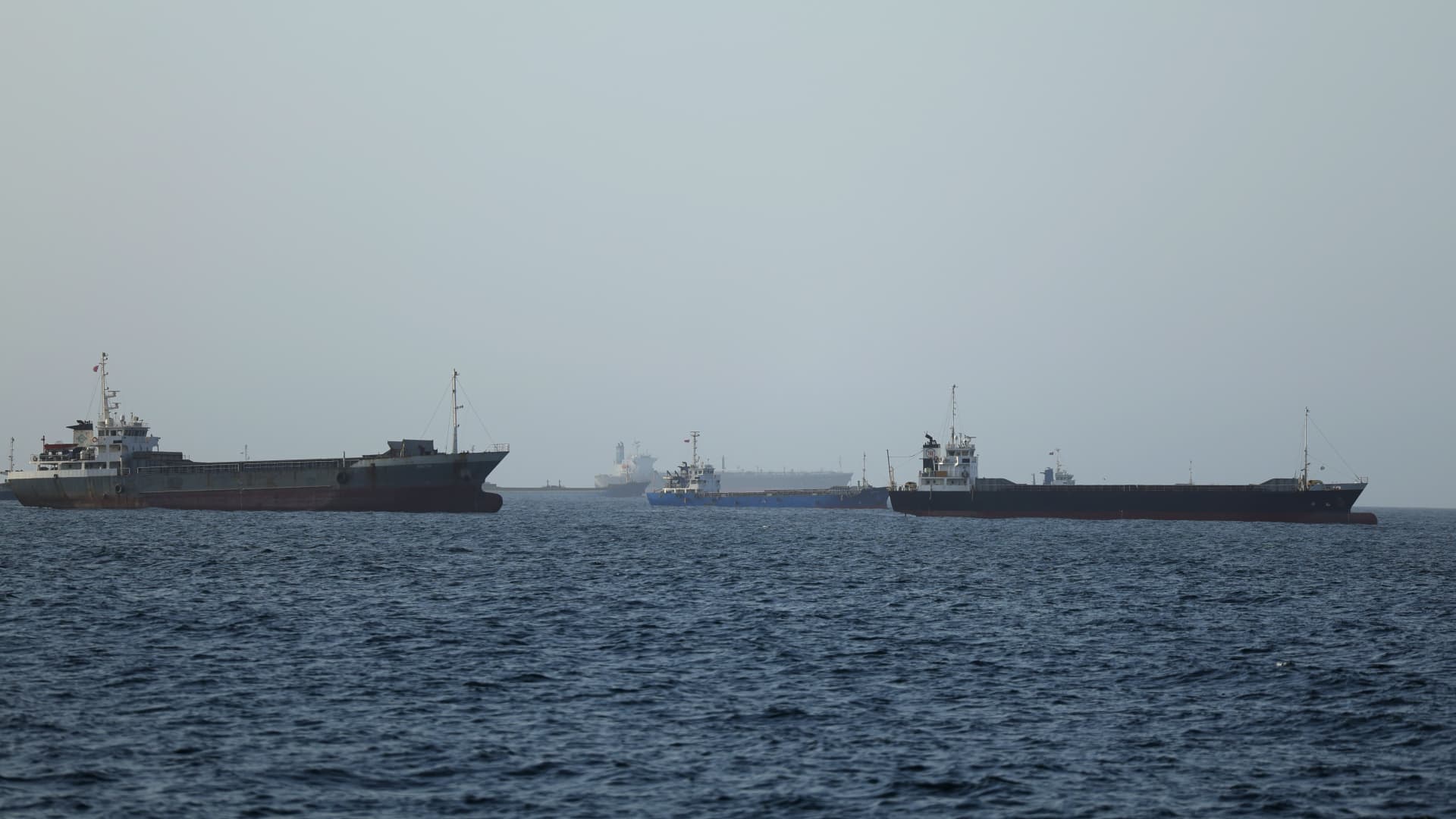
The revocation, which ends the temporary waiver ahead of its August 21 expiry, removes the last legal channel for Iranian oil exports, adding to the geopolitical risk premium already priced into Brent.
The U.S. Treasury Department said it will revoke its authorization of Iranian oil sales after a series of attacks on tankers in the Strait of Hormuz, a U.S. official told CNBC Tuesday.
The Office of Foreign Assets Control is revoking the license that permitted Iranian oil production and delivery through August 21, the official said. The Trump administration had waived U.S. sanctions on Iranian oil under an interim deal with Tehran signed on June 17 to reopen the waterway.
Iran has launched attacks on tankers this week, trying to discourage vessels from using a U.S. Navy protected route near Oman's coast, the official said.
"As President Trump and the administration have repeatedly affirmed, the MOU in effect with Iran is entirely performance-based," the official said. "Iran will only reap benefits if they exhibit good behavior. Iran's actions in the Strait were wholly unacceptable to the United States and will be met with consequences."
The revocation ends the temporary authorization ahead of its August 21 expiry. The waiver had been the only channel for Iranian oil exports under the current sanctions regime. Without it, Iran loses the ability to sell oil legally into international markets.
The attacks and the U.S. response add to the geopolitical risk premium already reflected in crude prices. Brent crude traded above $73 a barrel earlier this week after drone strikes on tankers near Hormuz, as AlphaScala covered in Hormuz Drone Strikes Push Brent Above $73 as Geopolitical Risk Returns. The revocation tightens the supply outlook further, even as traders watch for any diplomatic moves.
Tanker insurance premiums for the region have already risen, shipping sources said. The U.S. Navy's protection of the route may not be enough to restore confidence if attacks continue. The official said the administration will continue to monitor Iran's behavior.
The decision also affects Iran's ability to fund its government through oil revenue. The interim deal had been meant to provide a path back to negotiations. The revocation signals that the U.S. sees Iran's actions as a breach of the terms.
The official did not specify whether the administration would consider any new waiver. The August 21 deadline has now been superseded by the revocation.
Prepared with AlphaScala editorial tooling from the source reporting linked above. Indexable analysis may include a cited Alpha Score value. Publishing checks screen each story before release. Educational coverage, not personalized advice.