US Refinery Shrinkage Leaves Fuel Supply With Thin Cushion
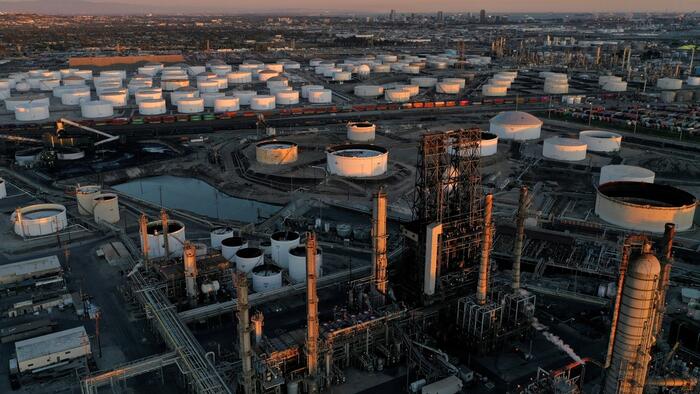
US refinery capacity is shrinking as aging plants shut down, narrowing the cushion between fuel demand and production. The analysis says eight new refineries would be needed to restore a safe margin.
US refinery capacity is shrinking as aging plants shut down, narrowing the cushion between domestic fuel demand and production to a margin the analysis calls dangerously thin. The country's just-in-time system works under normal conditions, the analysis argues, but geopolitical disruptions to distribution, exports, or production quickly expose vulnerabilities.
The analysis focuses on a global diesel shortfall triggered by Ukrainian drone strikes on Russian refineries. Russia, the second-largest diesel exporter with 12% of global supply, halted all diesel exports after the attacks. That loss strains refineries worldwide and pushes prices higher, the analysis said.
The US is the world's largest oil exporter and relies on Gulf producers for only 8% of imports, with just 7% of those supplies passing through the Strait of Hormuz. The war in Iran and the subsequent return of Venezuelan flows have had limited direct impact on US crude supply. The real bottleneck is refining.
The last full-conversion refinery built in the US was Marathon Petroleum's Garyville, Louisiana plant, which came online in 1977 at about 200,000 barrels per day (b/d) and later expanded to roughly 617,000 b/d. Since then, capacity growth has come entirely from expanding existing sites, not new construction, the analysis noted.
National demand for distilled products stands at 8.7 million b/d, while production is 9.5 million b/d, a gap of roughly 95–98%. That margin has narrowed further after two major closures in 2025. LyondellBasell's Houston plant, built in 1918, shut down about 264,000 b/d of capacity. Phillips 66's Los Angeles plant removed another 139,000 b/d. Together those closures eliminated roughly 400,000 b/d. Small expansions elsewhere offset part of the loss but not enough, the analysis said.
California has seen additional closures driven by state regulations. Valero's Benicia plant, with about 145,000 b/d, stopped refining this spring and was removed from monthly capacity data later.
The analysis argues that the US needs redundancy rather than a just-in-time system. Estimates suggest eight new refineries, each running at least 250,000 b/d, would be needed to raise the capacity ceiling, replace aging plants, and provide a buffer for global supply shocks. A safer operating margin would be demand at 85–90% of capacity, the analysis said. That would also let the US add supplies to global markets during crises and prevent price spikes.
Several obstacles block new construction. Investors are reluctant to sink billions into a facility based on refining margins that could prove temporary. The analysis says government backstops or profit-sharing models, similar to Saudi Arabia's system of reinvesting oil revenue into public services, might be necessary to attract capital. Permitting, environmental reviews, and other regulatory hurdles can extend build time to 10 years. Even streamlined approval could take three to five years.
The political environment adds further uncertainty. The analysis notes that US political cycles shift every two to four years, making long-term infrastructure planning difficult. The divide over energy policy, with some policymakers pushing to reduce oil infrastructure, complicates any push for new refineries.
Ship traffic through the Strait of Hormuz has returned to near-normal levels, and crude oil prices have eased. But gasoline prices are unlikely to fall in tandem for months, the analysis said, as refining constraints persist. The war in Ukraine is expected to continue, keeping Russian diesel supplies off the global market.
The analysis concludes that no quick fix exists. Even if the political will emerged today, new refineries would take years to build. In the meantime, the gap between US fuel demand and refining capacity leaves the economy exposed to any fresh supply disruption.
Drafted by a large language model from the source reporting linked above, then screened by automated publishing checks. It is not read by a journalist before publication. Some articles cite our Alpha Score. Verify prices and figures against the original source. Educational coverage, not personalized advice.