Stocks● Neutral
U.S. produce prices surge 10% as weather, trade, and energy costs stack
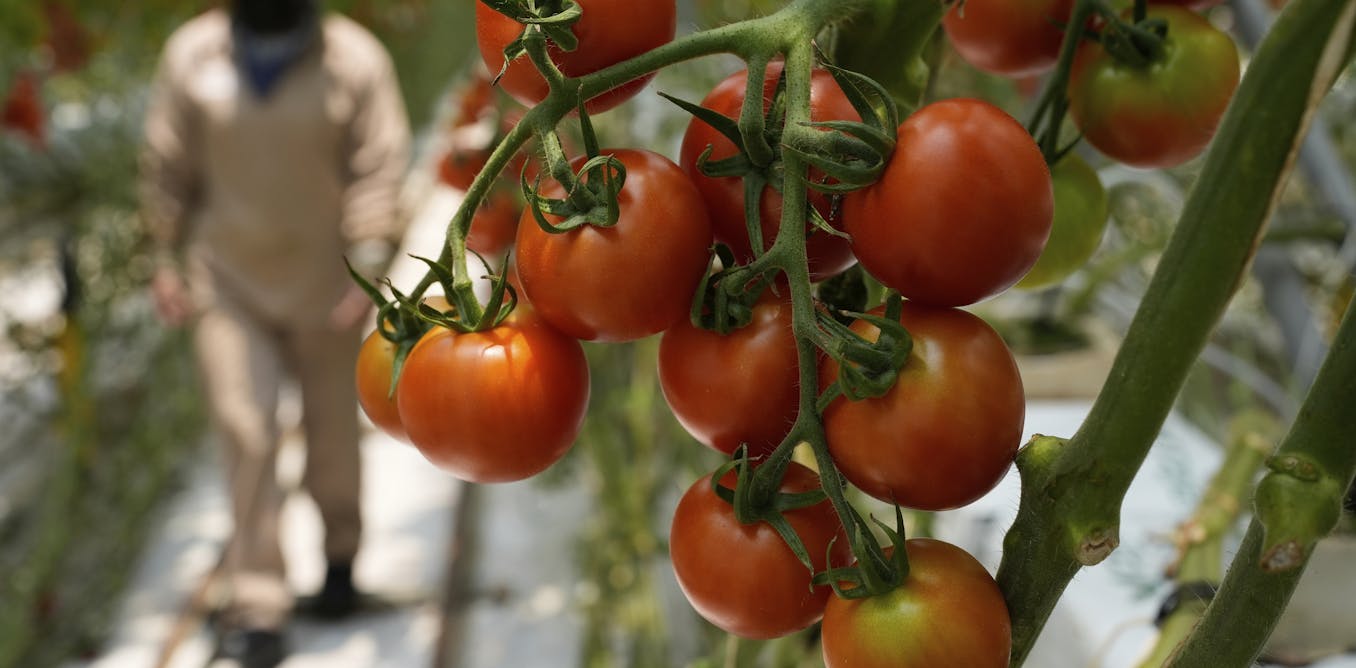
Lettuce jumped 32% and tomatoes 20% year over year as Florida freezes, Mexican tariffs, and Iran-war fuel costs hit supply chains. One in three shoppers cut fresh produce purchases.
Continue with
Fresh vegetable prices rose 10% year over year in June 2026, with lettuce up 32% and tomatoes climbing 20%, according to U.S. Bureau of Labor Statistics data. The broad advance across fruits and vegetables reflects a pile-up of supply-side pressures that show little sign of easing quickly.
Florida freezes early in the year cut citrus, strawberries, and tomato yields, reducing domestic supply. The Commerce Department withdrew from the U.S.-Mexico Tomato Suspension Agreement in June 2025, imposing a 17% antidumping duty on Mexican tomatoes. Mexico supplies about three-quarters of U.S. tomato imports; after the duty, tomato import volumes dropped 13% year over year, one agricultural economist said, which pushed retail prices higher.
Labor shortages have forced farms to raise wages, adding to production costs. Fertilizer prices paid to manufacturers jumped more than 20% year over year in June 2026, with nitrogen fertilizer up 46%, government data show. The Iran war pushed fuel prices 27% higher over the same period, and refrigerated truck rates for produce rose 20%, according to U.S. Department of Agriculture figures.