Stocks● Neutral
US Pauses Iran Strikes After Military Warns Limits Reached: Report
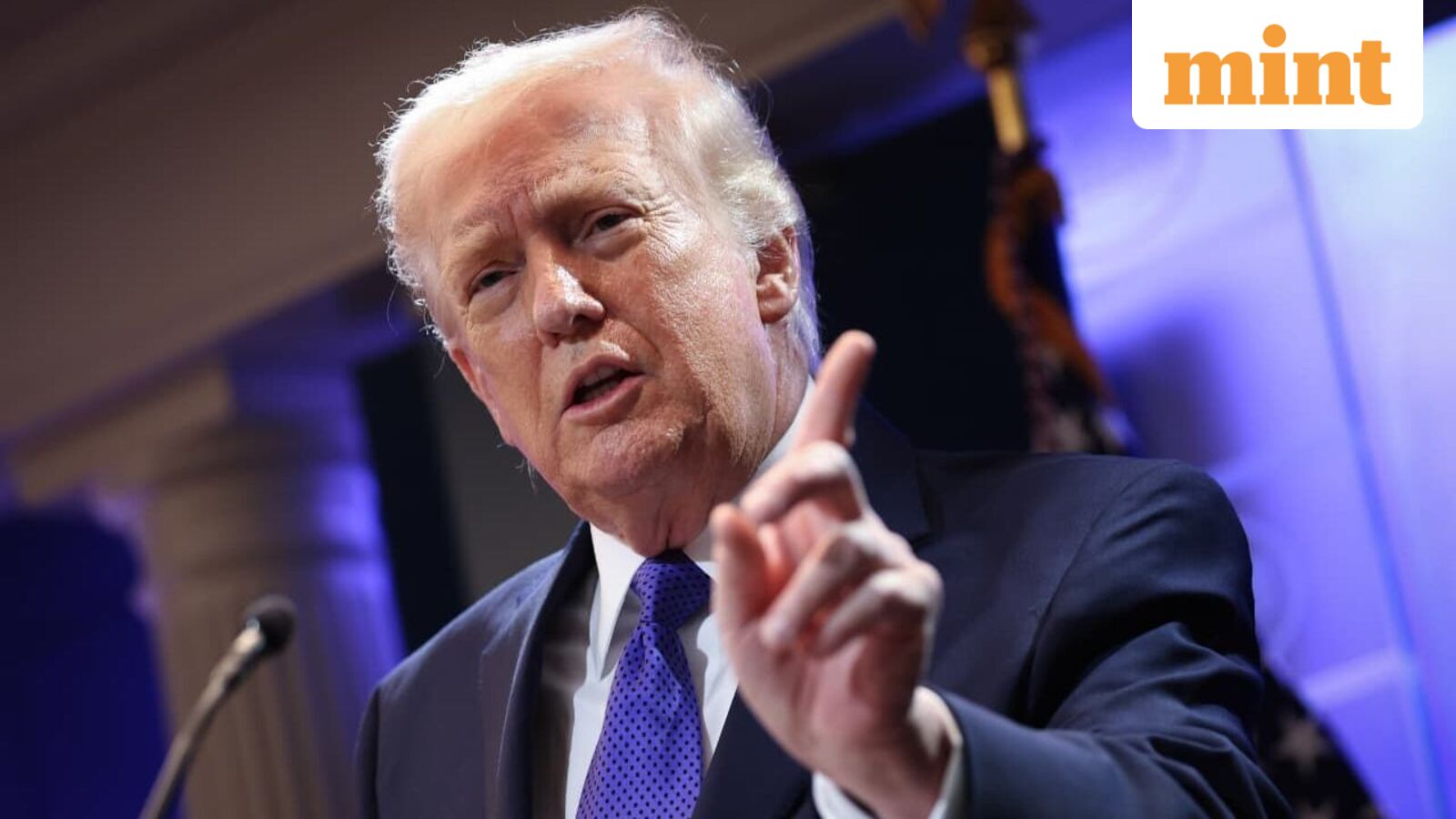
Senior officials warned dwindling precision munitions reduced strike effectiveness. Tehran denies seeking talks. Oil prices could ease as diplomatic hopes rise. Mediators seek to prevent full-scale conflict.
Continue with
The United States has paused airstrikes on Iran for a third consecutive night after senior military officials told President Donald Trump that the bombing campaign had hit the limits of its effectiveness, according to a report by Axios. Admiral Bradley Cooper, the top U.S. military commander in the region, warned Trump that dwindling stocks of precision munitions and a shrinking list of viable targets had reduced the impact of further strikes. The president halted the bombing while weighing diplomatic options, the report said.
The pause has raised hopes of renewed diplomacy after nearly two weeks of conflict. Oil prices had surged above $100 a barrel after the strikes began, as AlphaScala reported earlier. The lull could reduce the risk premium, though uncertainty remains high.
Iranian foreign ministry spokesperson Esmaeil Baghaei on Monday rejected any suggestion that Tehran had sought fresh talks with Washington.
"We have not asked for the resumption of talks with the United States. It's not in our DNA," Baghaei said, according to Reuters.