Commodities● Neutral
Strait of Hormuz Mine-Clearing Operation Risks Oil Price Spikes
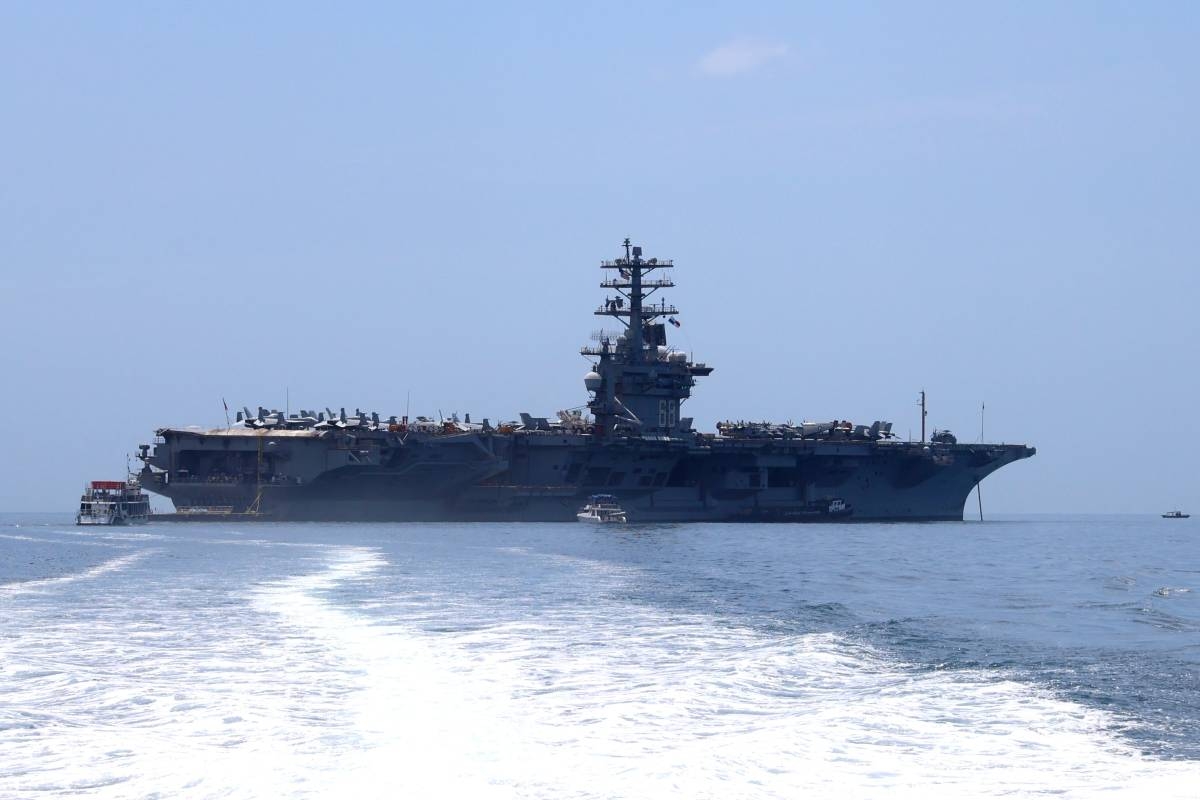
With 20% of global petroleum transiting the Strait, U.S. naval operations signal rising volatility. Watch energy markets for a potential risk premium.
Continue with
Strategic Chokepoint Under Scrutiny
The United States military has escalated its presence in the Middle East, with U.S. Central Command (CENTCOM) confirming on Saturday that two U.S. Navy warships have successfully transited the Strait of Hormuz. The movement marks the commencement of a proactive operation designed to clear the vital maritime chokepoint of mines allegedly deployed by Iranian forces.
The Strait of Hormuz, a narrow passage connecting the Persian Gulf with the Gulf of Oman and the Arabian Sea, serves as the world’s most significant oil transit artery. By some estimates, roughly 20% of the world’s total petroleum consumption passes through this narrow corridor, making it a perennial focal point for geopolitical friction and a high-stakes theater for naval maneuvering.
The Operational Mandate
CENTCOM’s formal announcement underscores the mounting pressure on the U.S. to ensure the freedom of navigation in international waters. While the specific identification of the warships involved remains classified under standard security protocols, the mission is clear: the detection, neutralization, and removal of underwater threats that could jeopardize global energy supplies and commercial shipping lanes.
For market participants, the deployment of mine-clearing assets is a significant escalation. Mine warfare is historically categorized as an 'asymmetric' threat—a low-cost, high-impact strategy that can paralyze regional logistics and send global energy markets into a state of volatility. By initiating this operation, the U.S. is signaling an intent to maintain operational dominance in a region where Iran has frequently utilized its naval capabilities to project power against Western interests.