Commodities● Neutral
Strait of Hormuz Oil Flows Persist Despite Regional Tensions
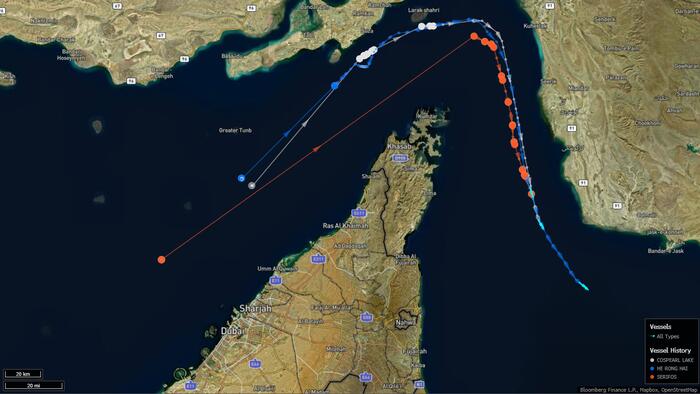
Three supertankers successfully navigated the critical chokepoint, signaling continued supply chain resilience while 20% of global oil remains at risk.
Continue with
Navigating the World’s Most Critical Energy Choke Point
In a development that underscores the fragile resilience of global energy supply chains, three massive supertankers laden with crude oil from Iraq and Saudi Arabia successfully transited the Strait of Hormuz this week. This movement, while routine in a stable geopolitical climate, takes on heightened significance as the international community remains hyper-vigilant regarding the stability of the Persian Gulf shipping lanes.
The Strait of Hormuz, a narrow waterway separating Iran and Oman, serves as the primary artery for the global oil market. Approximately 20% of the world’s total petroleum consumption passes through this chokepoint daily, making any disruption—or even the threat of one—a primary driver of volatility in energy futures. The successful passage of these vessels provides a temporary, if fragile, signal of continued maritime functionality despite the simmering tensions that have dominated regional discourse for months.
Market Implications: The Risk Premium Factor
For energy traders and portfolio managers, the transit of these supertankers is a key data point in assessing the current 'risk premium' baked into oil prices. When shipping lanes through the Strait are perceived as threatened, the market typically reacts with an immediate uptick in volatility, often manifesting as a sharp rise in Brent and WTI crude futures.
However, the fact that these tankers moved through the waterway without interference suggests that, despite the aggressive rhetoric often heard in diplomatic circles, the physical flow of energy remains the priority for all state actors involved. Traders should note that the stability of these flows is a delicate balance; any sudden deviation from this pattern, or reports of harassment of commercial vessels, would likely trigger an immediate liquidity crunch and a parabolic move in energy pricing.