Commodities● Neutral
Strait of Hormuz Transit Resumes: Energy Risk Premiums Ease
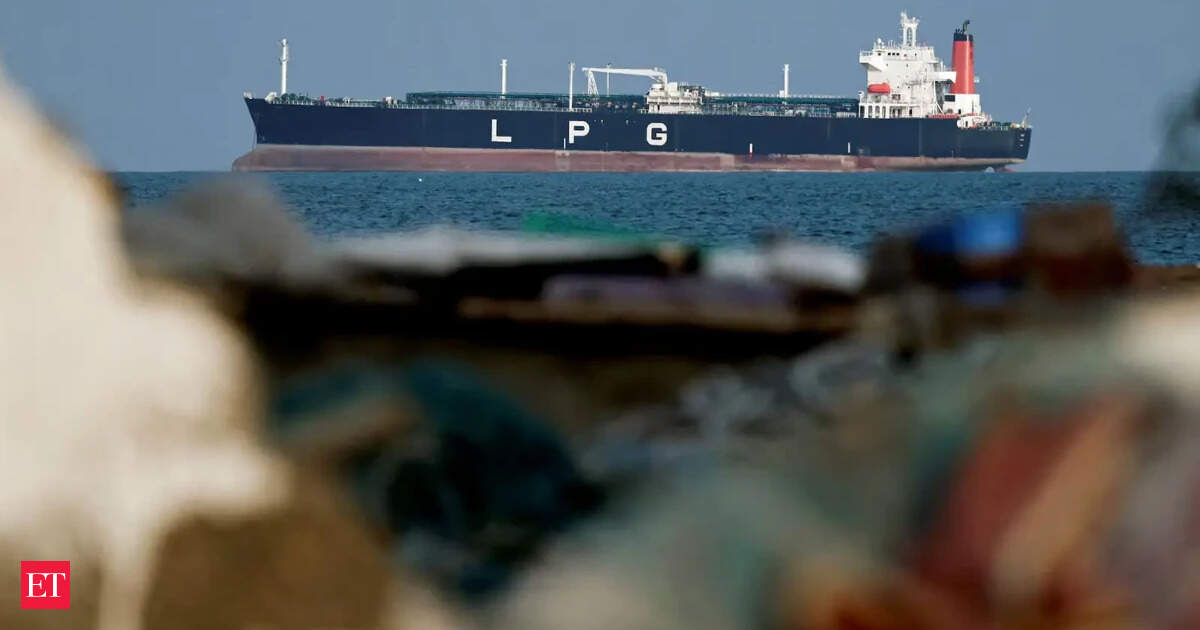
The successful passage of the Jag Vikram signals a fragile de-escalation for the 20% of global oil flowing through this critical maritime chokepoint.
Continue with
A Critical Passage for Energy Security
Energy markets breathed a sigh of relief this week as the Indian-flagged LPG carrier Jag Vikram successfully navigated the Strait of Hormuz. The transit represents a significant de-escalation in a region that serves as the world’s most critical maritime chokepoint for oil and liquefied petroleum gas (LPG) shipments. The movement of the vessel follows a tentative ceasefire between the United States and Iran, providing a fragile window of stability for commercial shipping.
For India, a nation heavily reliant on Middle Eastern energy imports to fuel its rapidly expanding industrial and household sectors, the safe passage of the Jag Vikram is more than a routine logistical success—it is a vital indicator of supply chain resilience. While the vessel has cleared the strait, the broader regional situation remains fluid; several other Indian-flagged ships are currently positioned within the Persian Gulf, awaiting further clearance and security assurances.
Diplomacy and Domestic Stability
Behind the scenes, intense diplomatic negotiations are currently underway. The objective is to establish a reliable, long-term corridor that ensures the safe passage of all commercial vessels, regardless of flag, through the strait. These discussions reflect the high stakes involved for both regional powers and global consumers.
Despite the underlying geopolitical volatility, the impact on the Indian domestic market has been effectively mitigated. Government officials and energy analysts have confirmed that domestic LPG supplies remain stable across the country. By diversifying sourcing and maintaining strategic buffer stocks, India has managed to avoid the supply shocks that often accompany maritime instability in the Persian Gulf.