Geopolitical Volatility Intensifies: Saudi Infrastructure Attack Rattles Global Energy Supply Chains

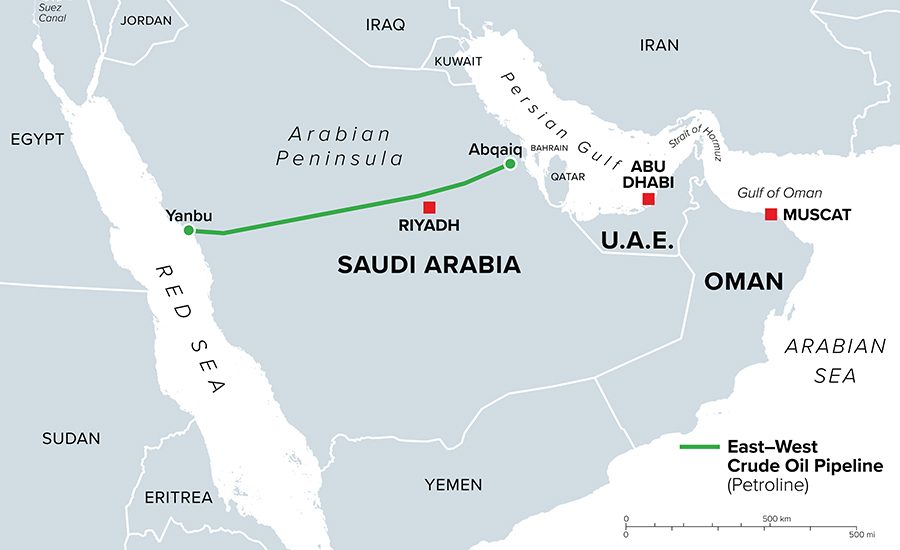
A critical Saudi pipeline serving as a strategic bypass to the Strait of Hormuz has been damaged in a targeted strike, threatening to disrupt global oil supply chains and heighten market volatility.
Escalating Risks to Energy Transit
Global energy markets are bracing for renewed volatility following confirmation that a critical Saudi Arabian pipeline, utilized as a strategic bypass to the Strait of Hormuz, has sustained significant damage due to targeted strikes. This development marks a precarious turn in regional stability, threatening to tighten the logistical bottleneck for crude exports and raising the risk premium for global oil benchmarks.
For traders, the pipeline’s importance cannot be overstated. It serves as a vital artery for Saudi Arabia’s export capacity, allowing the Kingdom to bypass the Strait of Hormuz—the world’s most significant energy chokepoint. With approximately 20% of global petroleum consumption passing through the Strait, any threat to alternative transit routes significantly elevates the fragility of supply chains, forcing market participants to recalibrate their risk assessments regarding the Middle East.
The Strategic Significance of the Bypass
The infrastructure in question serves as a vital contingency for the Saudi state-owned oil giant, Saudi Aramco. By providing a direct path to the Red Sea, the pipeline allows for the export of crude oil to international markets without relying on the narrow and often contested waters of the Persian Gulf.
Historically, the Strait of Hormuz has been a flashpoint for geopolitical tension. Disruptions or threats to this region have consistently triggered immediate surges in crude prices, as the market prices in the potential for a total blockade or significant transit delays. By damaging the alternative route, the recent strikes effectively remove a safety valve, leaving global energy markets more exposed to regional instability than they have been in recent months.
Market Implications and Trader Sentiment
For institutional investors and energy traders, the immediate concern is the impact on supply chain continuity. Even if production levels remain stable, the logistical inability to move product efficiently can result in localized inventory shifts and upward pressure on spot prices.
This incident arrives at a sensitive time for the energy sector, which is already grappling with fluctuating demand forecasts and the ongoing OPEC+ supply management strategy. Analysts are closely watching how this development will influence the “geopolitical risk premium” inherent in Brent and WTI pricing. Historically, when critical energy infrastructure is targeted, the initial market reaction is a reflexive move toward safe-haven assets and a spike in energy futures volatility.
Forward-Looking Analysis: What to Watch
Market participants should turn their focus toward Saudi Aramco’s remediation timeline and the official statements regarding the extent of the structural damage. The speed at which repairs can be initiated will determine the duration of the supply constraint. Furthermore, traders should monitor regional security updates, as the durability of the current infrastructure remains in question.
Key areas for continued surveillance include:
- Export Volume Data: Any downward revision in Saudi export capacity will likely catalyze further price appreciation.
- Tanker Insurance Premiums: Increased risk in the region often leads to higher insurance costs for vessels navigating the Red Sea and Persian Gulf, which further inflates the cost of oil delivered to end-users.
- OPEC+ Rhetoric: How the cartel addresses this threat during upcoming sessions will be a critical indicator of their commitment to maintaining supply stability in the face of physical threats to their assets.
As the situation unfolds, the market remains on high alert. With the bypass route compromised, the margin for error in global oil logistics has narrowed, ensuring that energy prices will remain highly sensitive to any further escalations in the coming days.