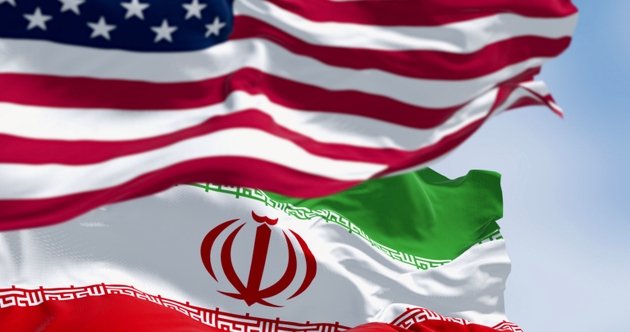
The U.S. and Iran will hold peace talks in Burgenstock, Switzerland, on Sunday, Pakistan announced Friday. The announcement came hours after Tehran closed the Strait of Hormuz, citing ceasefire violations by coalition forces.
The closure is the first time Iran has shut the narrow waterway since the Iran–Iraq war in the 1980s. The strait carries roughly 20 million barrels of crude a day, about a fifth of global supply. It handles nearly all exports from Saudi Arabia, Iraq, Kuwait, the UAE, and Qatar. During the Iran–Iraq war, Iran mined the strait, prompting the U.S. to launch Operation Earnest Will, reflagging Kuwaiti tankers under U.S. protection.
In 2019, drone attacks on Saudi oil facilities sent crude jumping 15% in a single session. A prolonged Hormuz closure would be a far larger disruption. Refiners would scramble for alternatives and draw down strategic reserves. The U.S. Strategic Petroleum Reserve holds about 700 million barrels, enough to replace roughly 35 days of Hormuz throughput.
The closure has already roiled energy markets. The Energy Select Sector SPDR Fund (XLE) rose 4% this week. Major components Exxon Mobil and Chevron led the gain. Brent crude futures posted similar advances. Tanker rates in the region have also ticked up as shipping companies adjust routing.
Pakistan is acting as mediator for the talks, which are set for 10 a.m. local time Sunday. Iran said it will keep the strait shut until ceasefire terms are met. The U.S. has not yet announced a military response. The Pentagon has not moved additional naval assets into the region, though a confrontation remains possible if the closure persists.
The weekend creates a binary event for oil markets and energy stocks. XLE has already priced in a disruption premium with its 4% rise. Sunday's opening session will determine whether that premium expands or collapses. If the talks produce a ceasefire, the supply risk could unwind quickly. A breakdown would extend the disruption, pushing crude toward multi-year highs.
Negotiators have not disclosed the agenda beyond the ceasefire demand. The location, Burgenstock, is a mountain resort that has hosted international summits before, including Libyan peace talks.
Talks begin at 10 a.m. local time Sunday. The outcome will set the near-term direction for energy assets.