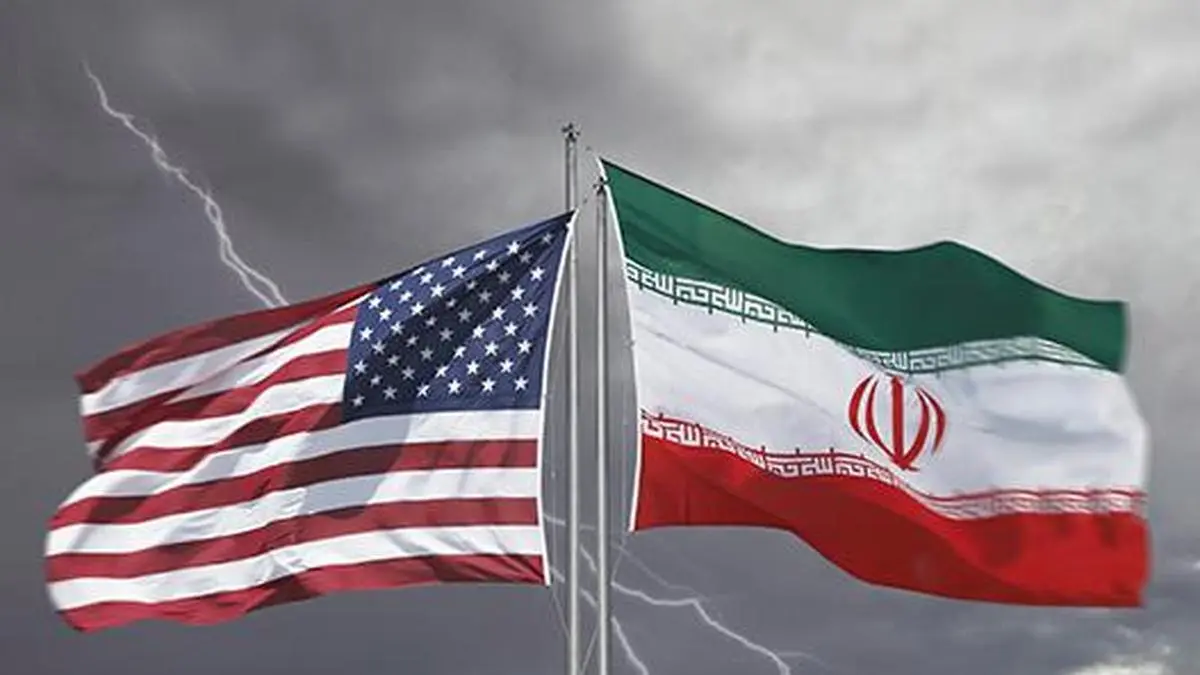
The US military has paused its airstrikes on Iran after nearly two weeks of bombing, while diplomatic efforts push forward to avert a return to all-out war. President Donald Trump has threatened more strikes and said talks are pressing on, brushing off concerns that rising gas prices tied to the fighting could hurt Republicans in November's midterm elections.
Neither side has confirmed the pause is strategic. Michael Singh, managing director at the Washington Institute for Near East Policy, said he was hesitant to read too much into the lull. “If it turns into a multiday pause, that'll be something significant,” he said. “But it's hard to know. Is it an operational pause? Is it a pause to allow for some kind of behind-the-scenes diplomacy?”
The conflict will hit the five-month mark Tuesday. Israel, which launched the war alongside the US on Feb 28, has been notably absent from the renewed American attacks over Iran's effective closure of the Strait of Hormuz, a vital shipping corridor through which 20% of the world's oil normally flows.
A regional official involved in mediation efforts said concerted diplomacy was underway and that a pause in US strikes and Iranian counterstrikes on neighboring countries was a “positive signal that helps their efforts to de-escalate.” The official, who was not authorized to discuss the matter and spoke on condition of anonymity, said both sides want to return to the interim ceasefire deal signed in June. A compromise being negotiated centers on Iran running vessel transit through the strait with fewer restrictions on ships.
Oil prices have soared since Iran began firing on tankers and freighters when the war started. The battle for control over the strait has erupted. Iran demanded ships use a route near its coastline and said it can potentially charge fees. Ships were increasingly navigating a southern route along the coast of Oman under a US overwatch operation when Iran attacked some vessels.
The US renewed attacks on Iran's coastal defenses, aiming to blunt Tehran's ability to strike ships in the strait. The Trump administration then expanded targets, hitting bridges and infrastructure in the south and striking deeper into the center of Iran. Singh said the strikes appear to be an attempt to push Iran back to the negotiating table. “The question would be: What kind of messages, if any, is the Iranian regime sending through diplomatic channels? Have those messages changed? Do they seem more eager to return to talks?”
Among the challenges the US faces is fractured leadership in Iran, with different factions vying for control, Singh said. The people in charge in Iran may worry that compromising with the US will be seen as weakness and could loosen their grip on power.
Despite the lull in fighting, tensions are high in the region. Yemen's Houthi rebels said Saturday they fired missiles and drones at Saudi Arabia in response to Saudi airstrikes on the strategic Red Sea city of Hodeida. The Iran-backed rebels say they have closed the Bab el-Mandeb Strait, which has become even more vital for Saudi oil exports since the disruption of the Strait of Hormuz. The US military is enforcing its naval blockade of Iranian ports, saying it disabled a Mozambique-flagged ship in the Gulf of Oman on Friday after the vessel tried to violate the blockade and ignored warnings.
Trump has kept up threats even as he spotlighted diplomacy. Asked about his exit strategy Friday, Trump said there are two ways. “You can just keep doing exactly what we're doing and take them apart piece by piece. We could do it in a more rapid fashion, which we might do,” he told reporters in the Oval Office. “Or we can negotiate with them, which we're also doing right now.” While Trump said he doesn't think Iran is “ready yet” to make a deal, he also asserted that “I think they're getting more and more serious as the days go by, for maybe the obvious reason.”
Trump met Friday with top national security aides to discuss the situation and whether the administration should maintain the current course or escalate military attacks, according to a US official who spoke on condition of anonymity. No US strikes occurred overnight in Iran after 13 consecutive nights.
Trump insisted Friday that he was “not in a hurry” to wrap things up because of the approaching elections. “Despite what everyone says about the election, I'm not in a hurry,” he said. “We have to do it right. Elections take care of themselves.”