US-Iran MoU: 60 days of fragile calm in oil markets
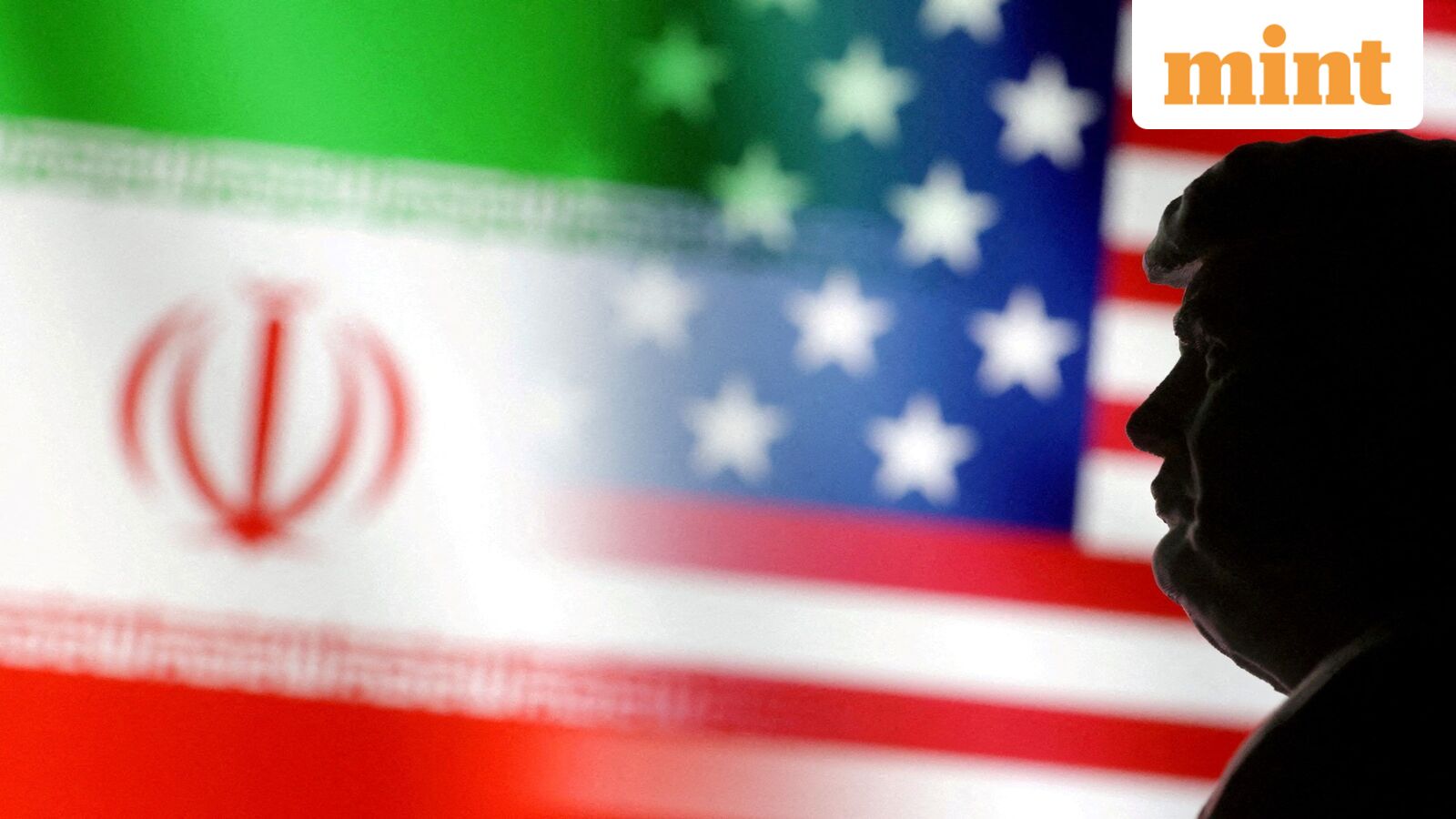
Iran agreed to reopen the Strait of Hormuz, which carries 20% of global oil. The US will remove its blockade in 30 days. Nuclear talks are deferred. The next 60 days decide whether the pact holds.
The US-Iran memorandum of understanding signed last week halts immediate hostilities. It postpones every hard question. The MoU emerged after months of escalation that included US and Israeli strikes on Iranian targets, retaliatory Iranian actions, and disruptions to maritime traffic through the Strait of Hormuz. Harsh V. Pant, professor of international relations at King's College London and vice president at the Observer Research Foundation, called the accord an interim framework designed to stop the fighting while opening a 60-day negotiation window.
The most concrete provision is the reopening of the Strait of Hormuz. Iran pledged to guarantee freedom of navigation. The US agreed to remove its naval blockade within 30 days. Roughly one-fifth of global oil supplies transit that chokepoint. Pant wrote in a Mint column that "this provision alone carries substantial implications for global energy markets." The agreement also includes sanction waivers for Iranian oil exports and access to frozen Iranian assets. A reconstruction and development fund exceeding $300 billion is on paper. Pant noted the financial architecture for it is underdeveloped.
On the nuclear front, the MoU is a placeholder. Iran committed not to pursue nuclear weapons, a political signal. The contentious questions are enrichment levels, stockpile reductions, ballistic missile development, and regional proxy networks. All have been deferred to future talks. Pant wrote that the agreement "postpones rather than resolves the fundamental strategic disagreements."
The durability of the pact is uncertain. The legacy of mistrust from the collapse of the 2015 JCPOA casts a long shadow. Early implementation challenges include allegations of ceasefire violations and competing interpretations of obligations. Domestic critics in the US view the deal as too concessionary. Iranian hardliners are skeptical of any accommodation with Washington. Regional actors like Israel and several Gulf states harbor reservations. Any provocation by a state or non-state actor could derail the process.
For oil markets, the immediate effect was a moderation of war premium. Brent crude slipped in the days after the announcement. The 60-day clock means traders cannot price in a durable solution. Any ceasefire violation or delay in follow-up talks could send oil back toward recent highs. Pant wrote that "the restoration of maritime stability in the Gulf is likely to moderate energy price volatility and reduce pressures on global supply chains."
The biggest winners if the MoU holds are net oil importers like India. Greater Gulf stability reduces energy price volatility and could reopen Iranian energy supplies. Sanctions relief might revive commercial opportunities linked to the Chabahar Port and the International North-South Transport Corridor. Pant noted that India gains more flexibility to pursue its strategic ties in the Indo-Pacific while engaging with Tehran. A breakdown in talks would revive tensions, disrupt energy markets, and undermine emerging connectivity initiatives. Major oil companies like Exxon Mobil (XOM) and Chevron (CVX) face renewed supply risk from the Gulf. Indian state-owned refiners IOC, HPCL, and BPCL would see higher import bills.
The next concrete markers are the US blockade removal within 30 days and the start of follow-up talks. Traders tracking these developments will watch for any reported violations or delays. A successful first round of nuclear negotiations would extend the detente. A failure or provocation would test whether the MoU is a genuine pause or a paper detente.
Drafted by a large language model from the source reporting linked above, then screened by automated publishing checks. It is not read by a journalist before publication. Some articles cite our Alpha Score. Verify prices and figures against the original source. Educational coverage, not personalized advice.