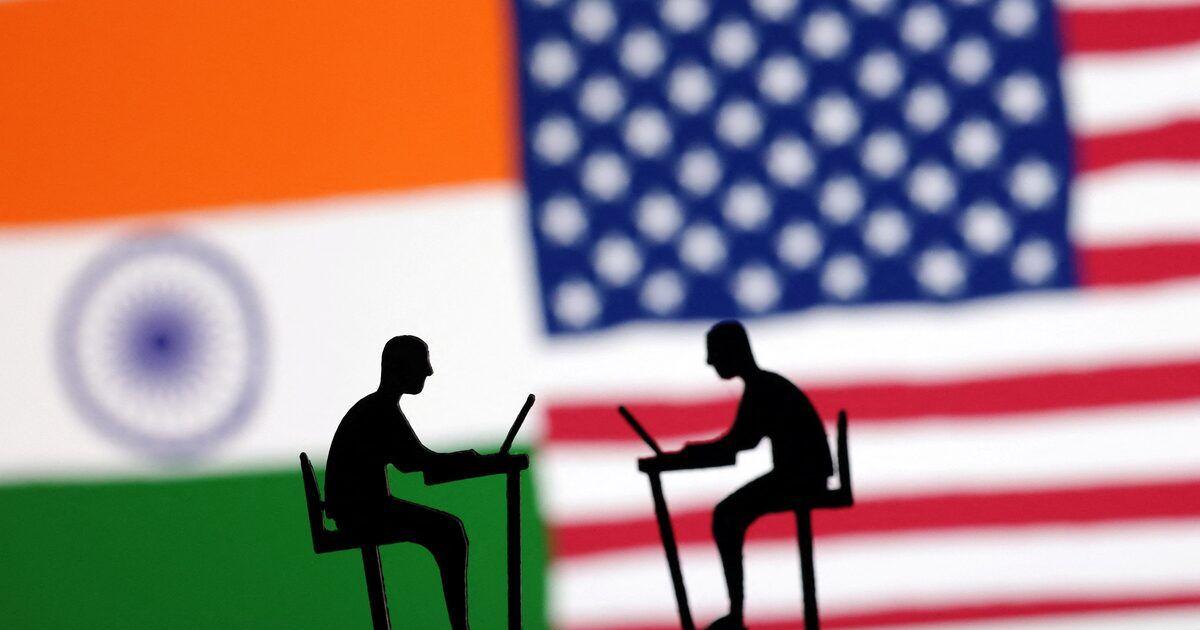
US-India Trade Talks Signal Shift in Global Tariff Framework

US and Indian negotiators meet to recalibrate trade agreements following the implementation of a 10 percent universal tariff, signaling a shift in global trade policy.
Alpha Score of 55 reflects moderate overall profile with moderate momentum, moderate value, moderate quality. Based on 3 of 4 signals — score is capped at 90 until remaining data ingests.
Alpha Score of 45 reflects weak overall profile with strong momentum, poor value, poor quality, weak sentiment.
Alpha Score of 72 reflects strong overall profile with strong momentum, moderate value, strong quality, moderate sentiment.
Alpha Score of 70 reflects strong overall profile with strong momentum, strong value, moderate quality, moderate sentiment.
Chief negotiators from the United States and India are convening in Washington for a three-day session to recalibrate the bilateral trade agreement framework. The discussions are driven by a fundamental shift in the US tariff landscape, specifically the implementation of a 10 percent universal tariff applied to all trading partners. This policy change forces a re-evaluation of existing trade terms and necessitates a structural adjustment to how goods flow between the two economies.
Impact on Tariff Policy and Trade Flows
The introduction of a 10 percent tariff across all countries creates a new baseline for trade negotiations. For India, the primary objective involves navigating these levies to maintain competitiveness in key export sectors. The US side is focused on aligning these broad tariff measures with specific bilateral commitments, potentially creating a tiered system where certain goods or sectors receive exemptions or modified treatment based on the outcome of these talks.
This negotiation cycle represents a departure from previous trade discussions that focused on sector-specific disputes. Instead, the current framework centers on the broader macroeconomic implications of the new tariff regime. The transmission mechanism here is direct. Higher import costs for Indian goods in the US market will likely lead to price adjustments for consumers and potential shifts in supply chain sourcing strategies for multinational corporations.
Cross-Asset Transmission and Market Linkages
The immediate reaction to these negotiations is visible in the currency and equity markets. A shift in trade policy often leads to increased volatility in the Indian Rupee as investors assess the impact on the country's trade balance. Similarly, US equities with significant exposure to Indian manufacturing or outsourcing services are monitoring the talks for signs of structural cost increases.
Market participants are evaluating the following variables as the talks progress:
- The scope of potential exemptions from the 10 percent tariff for critical technology and pharmaceutical components.
- The impact of reciprocal tariff threats on the stability of the bilateral trade relationship.
- The potential for long-term supply chain diversification as firms hedge against persistent tariff uncertainty.
AlphaScala data reflects varying levels of stability across sectors that may be sensitive to these trade shifts. For instance, ON stock page currently holds an Alpha Score of 45/100 with a Mixed label, while A stock page maintains a Moderate label at 55/100. Meanwhile, ALL stock page shows a stronger position with a Moderate label and an Alpha Score of 72/100, reflecting different risk profiles within the broader financial and industrial landscape.
These negotiations serve as a precursor to broader shifts in global trade policy as nations adjust to the new US tariff environment. The next concrete marker for the market will be the joint statement released at the conclusion of the three-day session. This document will indicate whether the two nations have reached a preliminary agreement on tariff exemptions or if the discussions will move into a more protracted phase of regulatory review. Investors should look for specific language regarding the timeline for implementation and any sector-specific carve-outs that could mitigate the impact of the new tariff regime.
AI-drafted from named sources and checked against AlphaScala publishing rules before release. Direct quotes must match source text, low-information tables are removed, and thinner or higher-risk stories can be held for manual review.