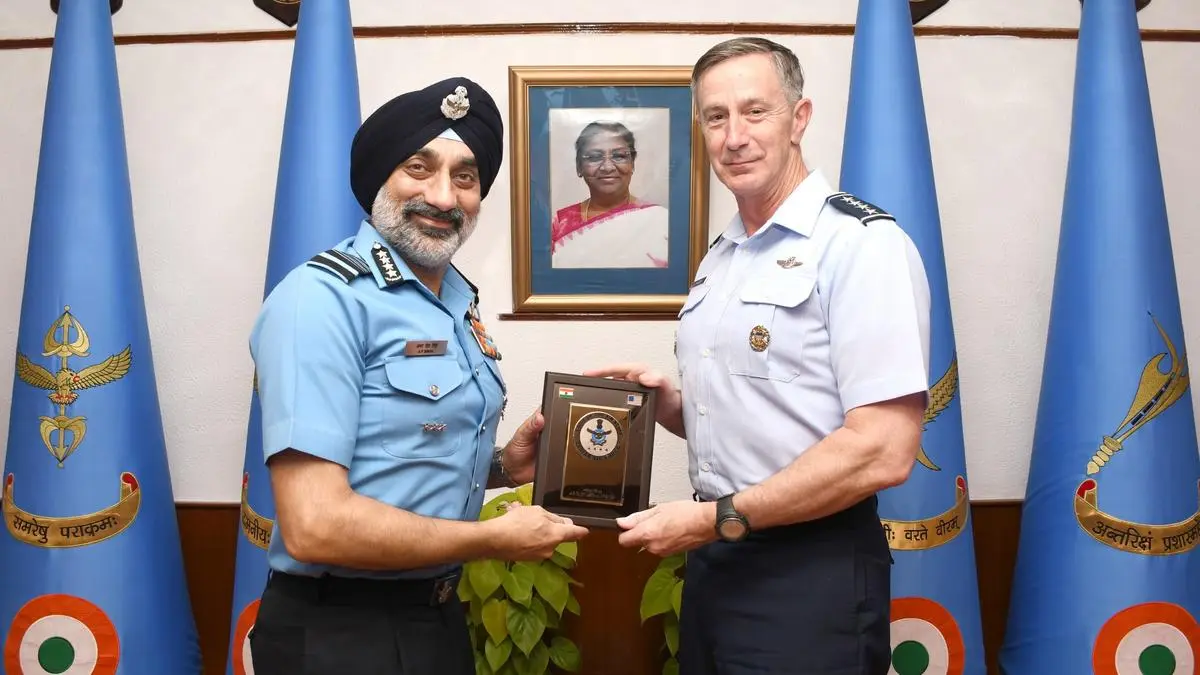
The visit of General Kevin Schneider, Commander of US Pacific Air Forces, to India from April 19 to 25 marks a transition in the bilateral defense narrative from general strategic alignment to specific, operational logistics cooperation. By focusing on the mechanics of military interoperability, the mission signals a move to integrate supply chains and maintenance capabilities across the Indo-Pacific theater. This shift suggests that the partnership is moving beyond high-level diplomatic signaling into the practical requirements of sustained regional presence.
Operational Logistics and Defense Interoperability
The primary objective of the visit centered on the refinement of logistics frameworks that allow for the mutual support of air assets. For defense contractors and regional stakeholders, this development is significant because it lowers the friction for joint exercises and potential emergency response operations. By standardizing maintenance protocols and supply chain access, both nations are creating a more resilient infrastructure that can support advanced platforms in a contested environment.
This focus on logistics is a necessary precursor to the deployment of more sophisticated aerial technology. As the relationship deepens, the ability to share ground support equipment and technical expertise becomes a competitive advantage for regional stability. The visit underscores a commitment to ensuring that air forces from both nations can operate from each other's facilities with minimal lead time, a capability that directly impacts the strategic utility of existing stock market analysis regarding defense sector growth.
Strategic Implications for Regional Defense Supply Chains
The deepening of ties between US Pacific Air Forces and their Indian counterparts serves as a catalyst for long-term procurement trends. As India seeks to modernize its fleet and integrate Western-standard components, the logistics agreements discussed during this visit provide a roadmap for future defense contracts. The alignment of maintenance standards suggests that future procurement will likely favor systems that are compatible with the established US-India logistics network.
This trend is particularly relevant for firms involved in the following areas:
- Aviation maintenance, repair, and overhaul services.
- Standardization of ground support equipment for multi-role fighter platforms.
- Development of secure, interoperable communication systems for regional air traffic management.
These developments reflect a broader trend where defense cooperation is increasingly defined by the ability to sustain operations over long durations. The emphasis on logistics reduces the reliance on long-range supply lines, which is a critical factor for any firm operating within the aerospace and defense sector. Investors should monitor how these bilateral agreements translate into specific service contracts and infrastructure investments in the coming quarters.
Future Markers for Defense Integration
The next concrete marker for this partnership will be the formalization of specific logistics support agreements that follow the high-level discussions held in April. Observers should look for updates regarding the joint development of maintenance facilities or the inclusion of Indian air bases in regional logistics planning documents. These filings will clarify the pace at which the two nations are moving toward full operational integration. Any shift in the scope of these logistics agreements will serve as a leading indicator for the scale of future defense spending and the potential for increased cross-border industrial collaboration.