US futures tumble as Trump says Iran deal is 'over'; oil climbs
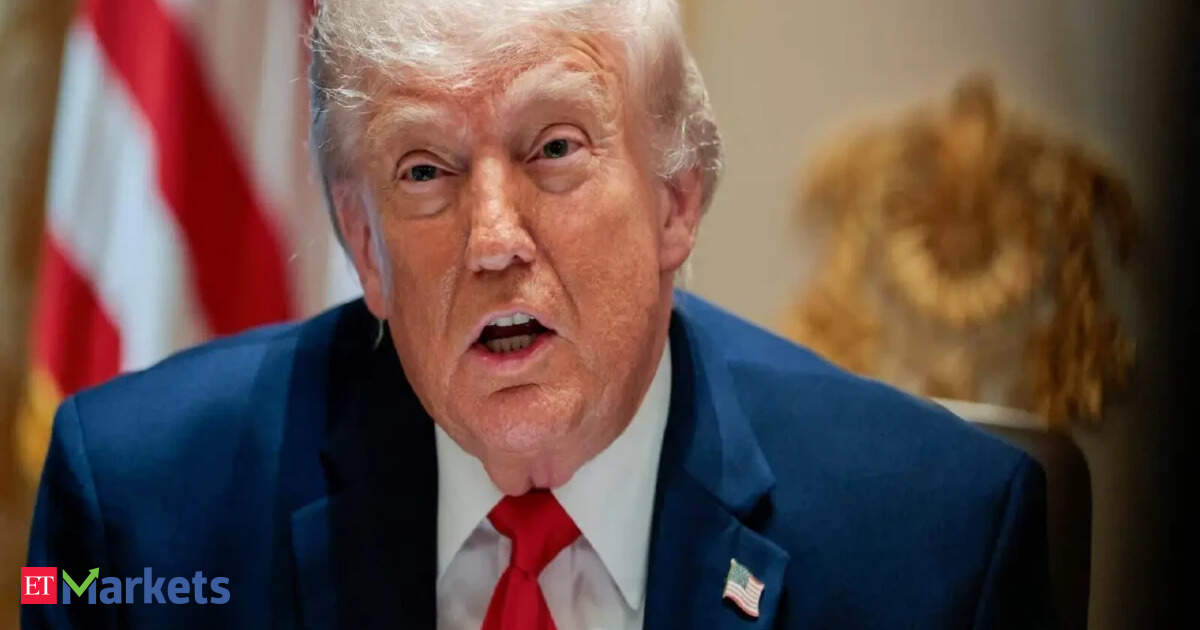
Oil jumped 6% after U.S. strikes on Iran, and Trump's comments on the nuclear deal sent futures lower. The sector read-through for Indian markets: higher crude costs hit refiners and airlines, while FMCG faces margin pressure.
Alpha Score of 43 reflects weak overall profile with moderate momentum, weak value, weak quality. Based on 3 of 4 signals — score is capped at 90 until remaining data ingests.
U.S. equity futures slid and crude oil climbed after President Donald Trump said the Iran nuclear deal is "over," signaling that the U.S. will not return to negotiations. The comments came just days after the U.S. military struck Iranian targets, sending oil prices up 6%.
Oil jumped 6% after the U.S. strikes on Iran, with the Strait of Hormuz back in focus. About a fifth of the world's seaborne oil passes through the chokepoint. Traders are pricing in a higher probability of supply disruptions that could tighten global crude markets.
For Indian markets, the move is a double hit. The Sensex fell 680 points in early trade, with oil and gas and fast-moving consumer goods stocks leading the decline. The sell-off tracked global weakness. Higher crude prices raise input costs for oil marketing companies, airlines, and fertilizer producers. The rupee, already under pressure, could weaken further, adding to the import bill.
The sector read-through is not uniform. Upstream producers like ONGC benefit from higher crude prices, though the government's windfall tax caps the upside. Refiners with high import exposure, such as Reliance Industries, see margin compression. FMCG and cement companies, which use petroleum-based packaging and fuel, are vulnerable to cost inflation. Information technology and pharma, less tied to crude, may see limited direct impact, though a weaker rupee would help their export earnings.
The next concrete marker for the market is the weekly U.S. crude inventory data from the American Petroleum Institute, due Tuesday afternoon. A drawdown would reinforce the supply-risk narrative.
Drafted by a large language model from the source reporting linked above, then screened by automated publishing checks. It is not read by a journalist before publication. Some articles cite our Alpha Score. Verify prices and figures against the original source. Educational coverage, not personalized advice.