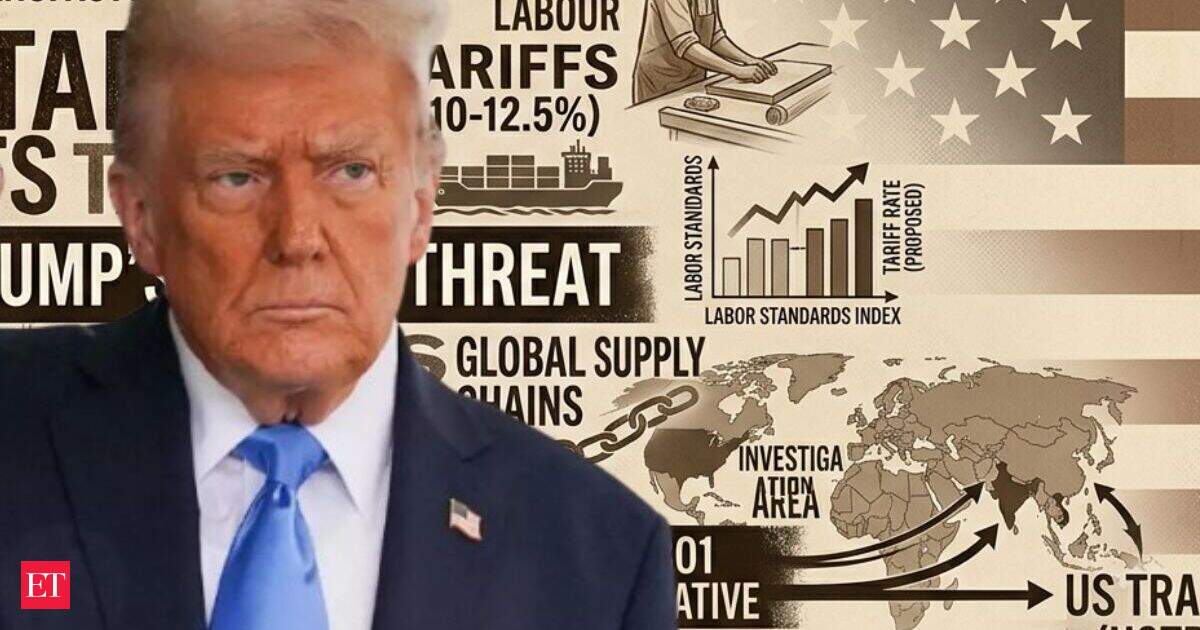
The US cut tariffs on most Indian exports to 10% from 12.5% after India banned forced-labor imports. Steel and aluminum still face higher rates. The reprieve may be temporary.
The United States slashed tariffs on most Indian exports to 10%, down from 12.5%, after New Delhi tightened rules against forced-labor imports. The move gives Indian exporters a pricing edge over rival countries that still face the higher rate, though several sectors will remain subject to separate, steeper duties.
India earlier this year banned imports of goods made with forced labor, aligning with a key US trade demand. Washington responded by lowering the general tariff rate on Indian goods, effective immediately. The change covers the bulk of India's $80 billion annual export basket to the US, including machinery, chemicals, and textiles.
Not all products benefit. Steel, aluminum, and solar panels still carry additional levies tied to separate trade cases. The White House said those sectoral tariffs remain in place pending further reviews.
The tariff reduction improves India's competitive position against China and Vietnam, which still face the 12.5% rate. Indian exporters in sectors like pharmaceuticals and auto parts could see a near-term boost in margins, according to the Federation of Indian Export Organisations.
Still, the reprieve may be temporary. US trade officials have signaled they will open a broader review of tariff rates on all partner countries within six months. Indian exporters face the risk of new sector-specific duties if the review finds evidence of dumping or subsidy practices.
Drafted by a large language model from the source reporting linked above, then screened by automated publishing checks. It is not read by a journalist before publication. Some articles cite our Alpha Score. Verify prices and figures against the original source. Educational coverage, not personalized advice.