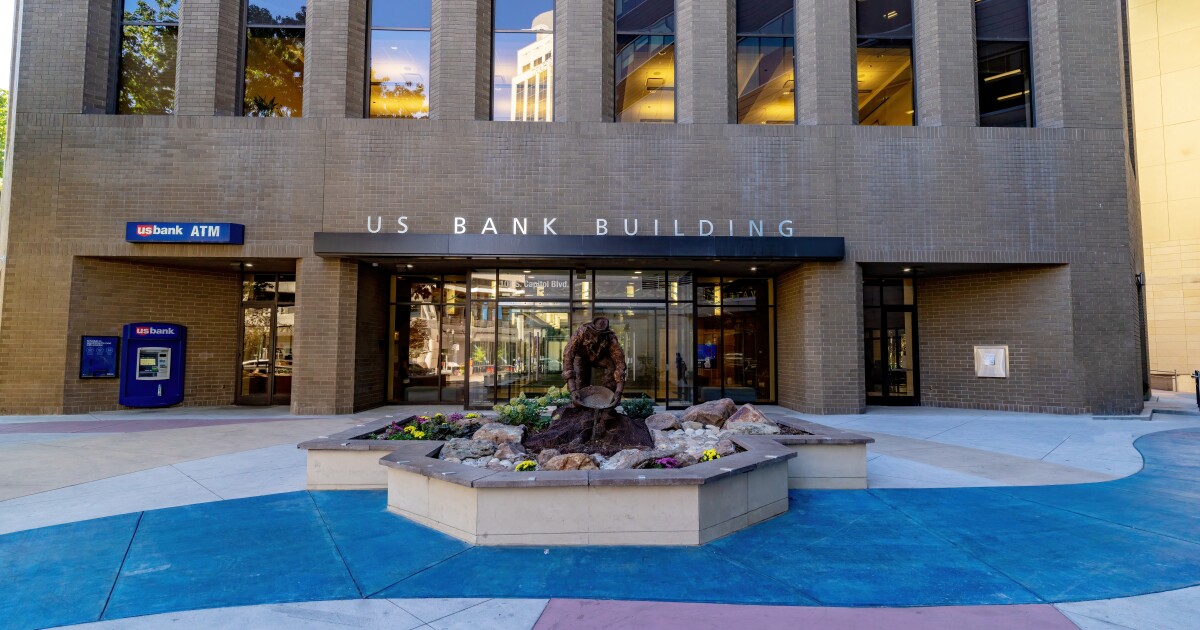
U.S. Bancorp reported first-quarter earnings that surpassed analyst expectations, fueled by a rise in loan balances and higher non-interest fee revenue. The bank's performance reflects a period where credit demand remained stable despite broader concerns regarding interest rate sensitivity and the regional banking sector.
Core Revenue Drivers
The earnings beat stems from a combination of expanding loan books and improved fee generation. By capturing higher volume across its lending segments, U.S. Bancorp managed to offset some of the margin pressure that has plagued regional lenders over the past year. Fee income, often a volatile component for mid-tier banks, provided the necessary lift to clear market hurdles during the quarter.
"Our ability to grow both loans and fee-based revenue in this environment highlights the strength of our diversified business model," said a representative for the firm.
Market Context and Implications
For traders, the results from U.S. Bancorp offer a pulse check on the health of the consumer and small-to-mid-sized business segments. When major lenders report growth in loans, it typically suggests that credit appetite is not yet cooling, even as borrowing costs remain elevated. This contrasts with the tighter lending standards seen at smaller regional institutions.
Traders should monitor the following factors in the coming weeks:
- Net Interest Margin (NIM) Trends: Look for whether the firm can maintain yield spreads as deposit costs stay sticky.
- Provisioning for Credit Losses: Any spike in reserves would signal a shift in management's outlook on borrower health.
- Fee Revenue Sustainability: Determine if the growth in fees was driven by one-time items or core recurring services like wealth management and payment processing.
Sector Rotation and Technical Levels
Investors currently active in stock market analysis should watch how the broader financial sector responds to individual bank earnings. If U.S. Bancorp's results spark a trend of positive surprises, it could lead to a rotation back into regional financials, which have lagged behind the tech-heavy Nasdaq (IXIC) performance recently. Keep an eye on the USB daily chart for a break above recent resistance, as a sustained move higher could signal a broader recovery in sentiment for the regional bank index.
Traders should treat this earnings beat as a tactical setup rather than a fundamental shift in the interest rate cycle, as the bank still faces headwinds if the Federal Reserve maintains a higher-for-longer stance on rates. Watch for management's commentary on loan loss provisions in the upcoming earnings call, as that will be the primary indicator of how they view the credit cycle heading into the second half of the year.