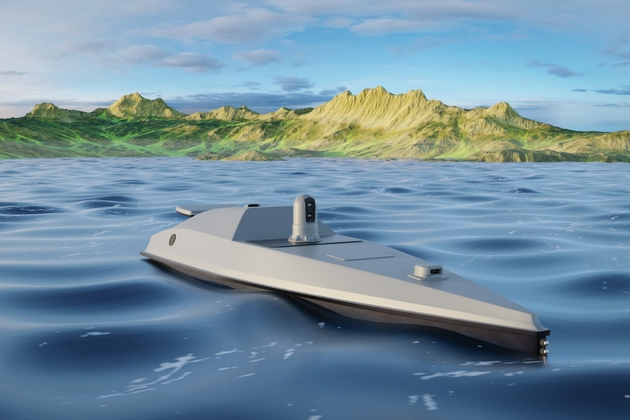
The Pentagon deployed armed unmanned surface vessels against an Iranian base near Bandar Abbas, the first combat use of such sea drones, the U.S. military said. The strike targeted facilities linked to Iran's drone and missile programs, according to a defense official.
Autonomous naval systems have been used for surveillance and mine-clearing before. This attack represents a shift in their role. The vessels, described as medium-size unmanned surface craft, carried munitions and were directed from a command ship offshore, the official said. No U.S. personnel were in the strike zone.
The attack raises the profile of companies building unmanned maritime systems. L3Harris Technologies and Textron Systems are both contractors on the Pentagon's Sea Hunter and Common Unmanned Surface Vessel programs. The Invesco Aerospace & Defense ETF (PPA), which holds both stocks, was flat in early trading Friday.
Iran has not publicly confirmed the extent of damage. The Pentagon said the operation was conducted under the authorization to respond to recent attacks on commercial shipping in the Gulf. No further details on the number of drones used or the specific weapons employed were released.
Future deployments of armed sea drones could accelerate procurement timelines for autonomous naval systems, analysts said. The Pentagon's 2025 budget request included $1.2 billion for unmanned surface and underwater vehicles, up from $800 million in 2023. That funding line supports programs where L3Harris and Textron are prime contractors, along with smaller suppliers like AeroVironment and Kratos Defense.
For defense investors, the Bandar Abbas strike shifts the conversation from experimental capability to operational reality. Autonomous surface vessels now have a combat record, however limited. The Pentagon's next budget cycle, due in February, will show whether that record translates into larger procurement orders or remains a niche program within the broader naval modernization plan.