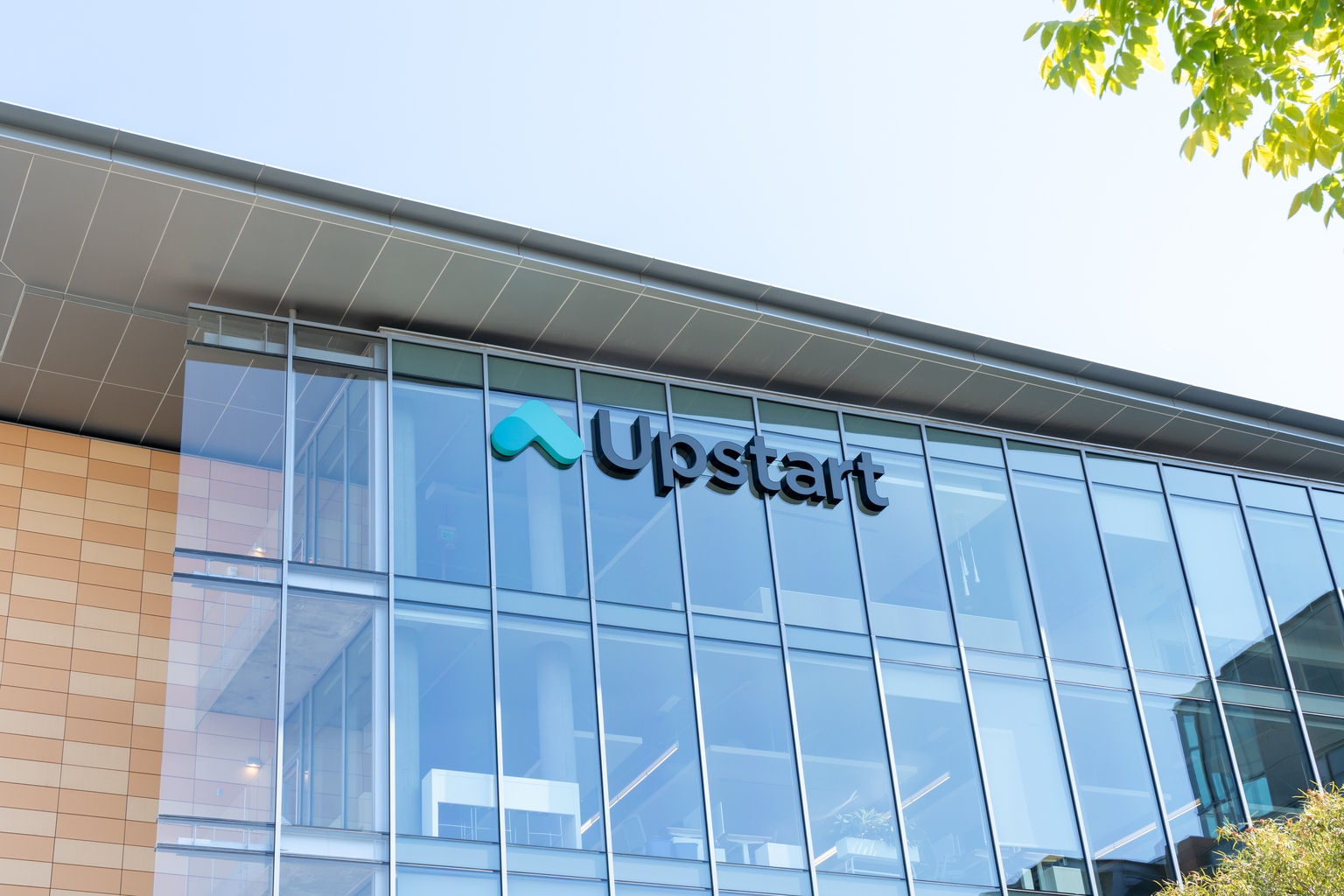
Upstart Holdings has transitioned its product strategy with the introduction of its Cash Line revolving credit offering, marking a departure from its traditional focus on one-time personal loan originations. This shift aims to capture recurring interest income and deepen the long-term relationship between the platform and its borrower base. By moving into the revolving credit space, the company is attempting to diversify its revenue streams away from the cyclical volatility inherent in the personal loan market.
Strategic Pivot to Recurring Credit
The introduction of Cash Line represents a structural change in how Upstart interacts with the credit lifecycle. Unlike standard installment loans that provide a lump sum and a fixed repayment schedule, the revolving nature of this product allows users to draw and repay funds repeatedly. This change forces a recalibration of the company's underwriting models, as the risk profile for a revolving line of credit differs significantly from that of a closed-end loan. The success of this launch will be measured by the company's ability to maintain its proprietary AI-driven underwriting accuracy while managing the increased liquidity demands of a revolving product.
This move also places Upstart in more direct competition with traditional credit card issuers and established fintech lenders. The company is betting that its machine learning algorithms can identify creditworthy borrowers who are currently underserved by legacy scoring systems. If the Cash Line product gains traction, it could provide a more stable foundation for revenue growth, reducing the company's reliance on the fluctuating volume of large-scale loan originations that have historically defined its quarterly performance.
Sector Read-Through and Competitive Positioning
The broader fintech sector is closely monitoring Upstart's ability to scale this new product without a corresponding spike in default rates. As interest rates remain elevated, the cost of capital for non-bank lenders remains a primary constraint on growth. Upstart must demonstrate that its underwriting technology can effectively price risk in a revolving environment where borrower behavior is less predictable than in fixed-term installment lending.
For investors, the primary concern remains the company's ability to secure consistent funding partners for these new credit lines. While the product launch is a positive development for user engagement, the long-term viability of the model depends on the willingness of banks and institutional investors to back these revolving assets. The company's ability to maintain its fee-based revenue model while expanding into balance-sheet-intensive products will be the defining factor in its valuation over the coming quarters.
AlphaScala Data and Market Context
Market participants continue to evaluate the firm against other financial technology providers. For context on broader sector trends, see our market analysis. While Upstart navigates this transition, other financial entities like NDAQ stock page maintain different risk profiles, with an Alpha Score of 52/100 and a Mixed label. The divergence between infrastructure-heavy financial firms and consumer-facing lenders like Upstart highlights the current bifurcation in the financial services sector.
The next concrete marker for this narrative will be the upcoming quarterly filing, which should provide the first meaningful data on Cash Line adoption rates and the associated credit performance metrics. Investors should look for specific disclosures regarding the funding mix for these new lines and any changes to the company's provision for credit losses as the portfolio matures.