Stocks● Neutral
UPI MDR: large business payments only, if a fee arrives
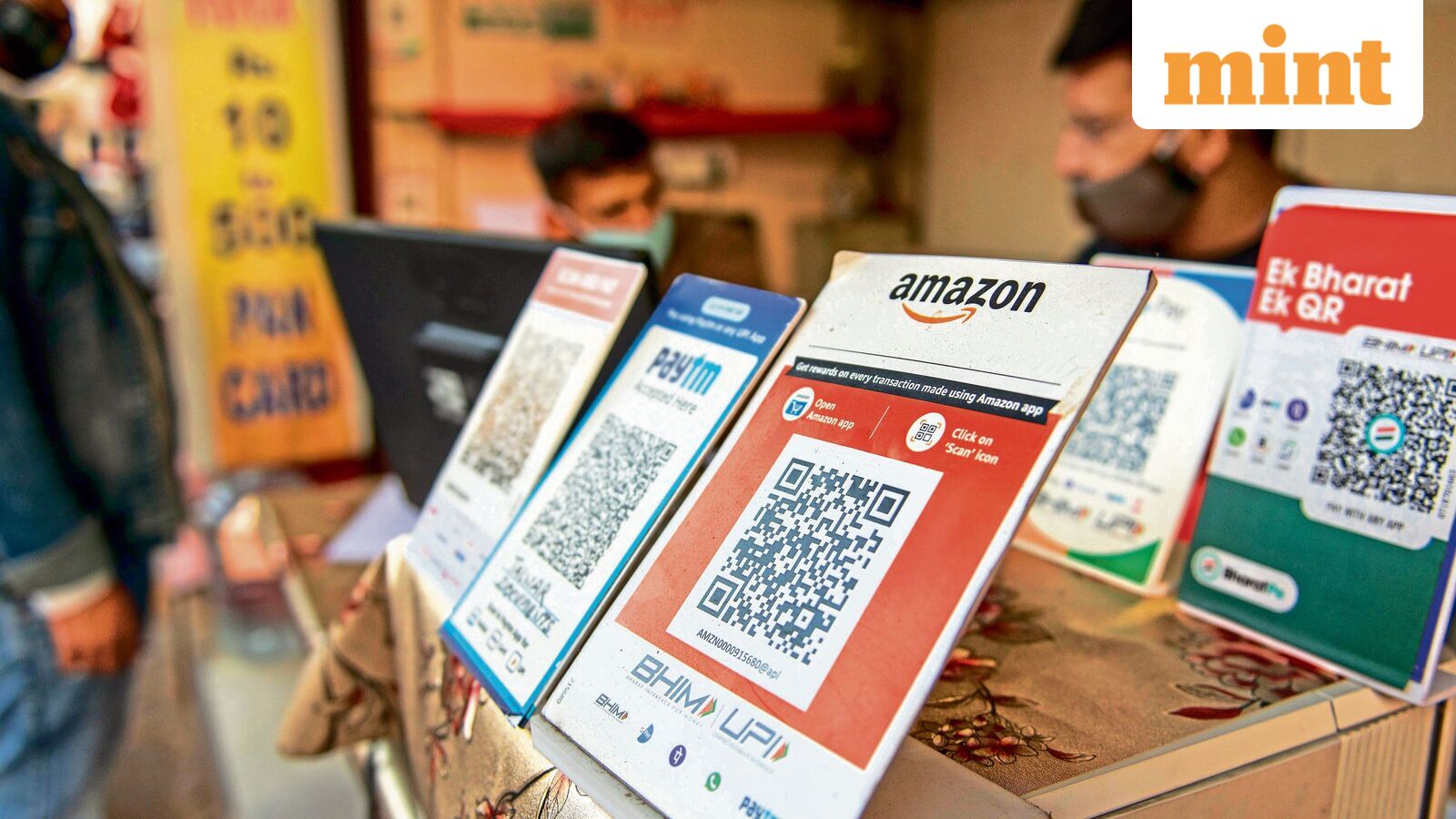
UPI MDR will hit only business payments above ₹2,000 at 0.25-0.4%, leaving consumers and small merchants free; an NPCI-led panel will fix any final rate.
Continue with
Consumers will not pay for UPI, and small merchants will not be charged for accepting digital payments, the government said Saturday. The clarification keeps India's real-time payment rail free for the bulk of its users. Any charge that does arrive, the government said, will be limited to a narrow set of merchant transactions above a threshold, at a nominal rate far lower than debit or credit card MDRs.
The clarification followed the Lok Sabha's voice-vote passage of the Taxation and Other Laws (Amendment) Bill, 2026, a step that some users read as the start of UPI fees.
"As and when MDR charges are introduced, they will apply only to a limited set of merchant transactions above a certain threshold, at a nominal rate far lower than debit or credit card MDRs," the government said in a release. MDR, if introduced, will be threshold-based and not levied across the board, it added.
The bill, moved by Finance Minister Nirmala Sitharaman and passed without discussion, seeks to amend Section 10A of the Payment and Settlement Systems Act, 2007, alongside the Income-tax Act, 2025 and the Finance Act, 2026. It empowers the government to levy an MDR on select electronic payment modes at a potential rate of 0.25% to 0.4% on business-directed UPI transactions above ₹2,000. The amendment does not itself set a fee; it hands the government the authority to allow one. Person-to-person payments are unaffected.