CRED, PhonePe, Pine Labs, Razorpay and BharatPe took about 66% of disclosed funding since 2021. Exits and consolidation are accelerating.
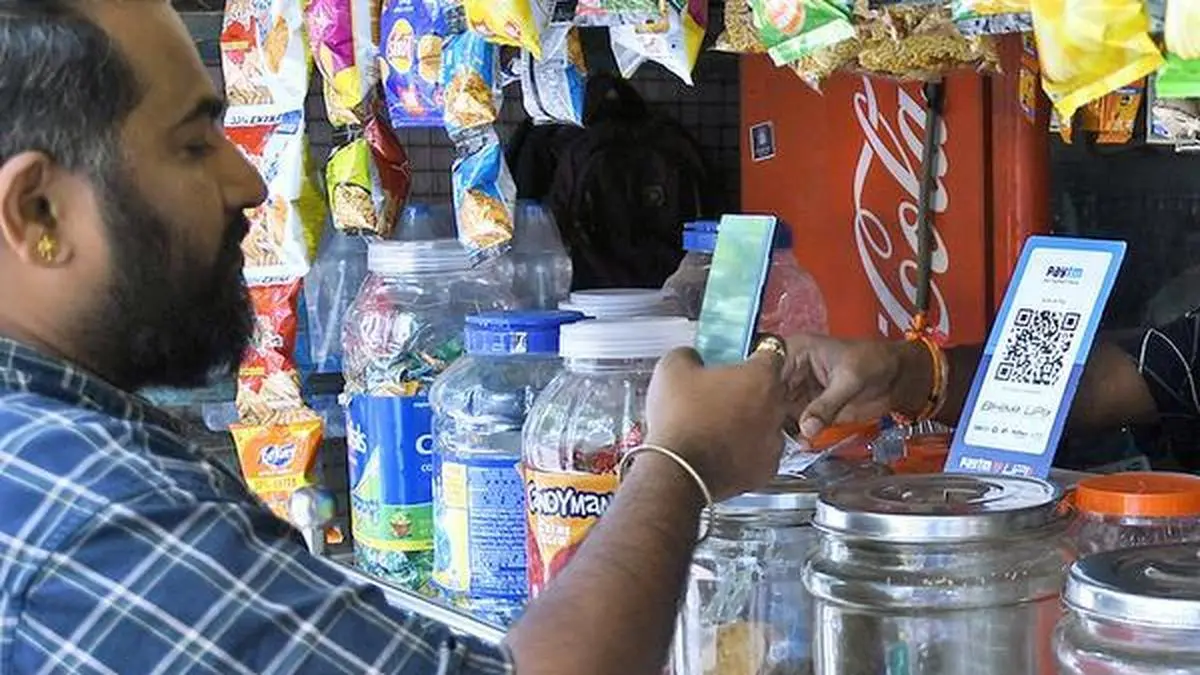
India's UPI payments ecosystem has drawn about $5.8 billion in disclosed private equity funding across 371 rounds since 2021, with capital concentrating around a handful of scaled players, according to a Tracxn report.
Consumer-facing payments companies took the largest share, about 53% or $3.1 billion. Business payments accounted for 38%, or $2.2 billion. Payments infrastructure and enablers, including APIs and underlying technology, made up the remaining 9%, or about $526 million.
Concentration is pronounced at the top. CRED, PhonePe, Pine Labs, Razorpay and BharatPe together took about 66% of disclosed funding since 2021. CRED and PhonePe each raised roughly $1 billion during the period. Pine Labs raised $641 million, Razorpay $535 million and BharatPe $440 million, the report said.
Funding peaked during the 2021 start-up boom before correcting through 2022-24. A tentative recovery in 2026 was driven largely by CRED's $540 million round, Tracxn said.
Over their lifetimes, the 10 best-funded companies in the ecosystem have raised about $9.4 billion. Paytm leads with $2.8 billion, followed by PhonePe at $1.7 billion and CRED at $1.5 billion.
The ecosystem is showing signs of maturity through exits and consolidation. Since 2021, payments companies have recorded eight IPOs and 25 acquisitions. Public market exits include Paytm, Pine Labs, MobiKwik and Zaggle. Larger funded companies are increasingly becoming acquirers. Razorpay has acquired Ezetap and IZealiant. Pine Labs has acquired Setu and Mosambee. M2P, Juspay, PayU and Perfios have also pursued acquisitions to add capabilities, indicating consolidation around larger full-stack platforms, the report said.
Tracxn highlighted UPI's growing international footprint. Cross-border UPI transactions rose more than 20-fold from about 37,060 in FY24 to over 7.5 lakh in FY25. The payment rail is now live in more than 12 countries.
The next phase will also depend on how the UPI ecosystem is funded, the report said. While UPI itself has created a large transaction base, private capital has financed products and capabilities around the rail, including credit-on-UPI, cross-border payments and fraud prevention. Tracxn said the sustainability of both the public payment rail and the commercial ecosystem around it will be critical to the next phase of growth.
Drafted by a large language model from the source reporting linked above, then screened by automated publishing checks. It is not read by a journalist before publication. Some articles cite our Alpha Score. Verify prices and figures against the original source. Educational coverage, not personalized advice.