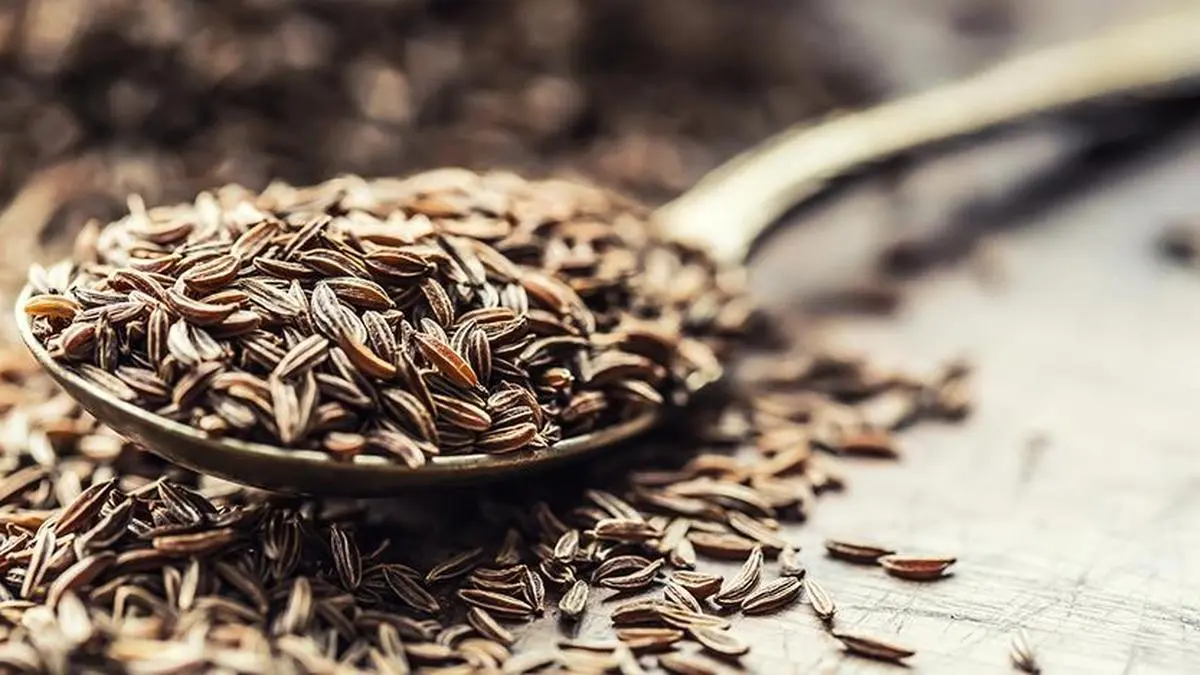
The GI tag for Unjha cumin and fennel gives legal protection to the region's identity and could lift farmer returns by 20-30%, the Gujarat government said.
Unjha cumin and fennel received a Geographical Indication tag from the Geographical Indications Registry, the Gujarat government said Monday. The tag builds a distinct identity for the two spices and helps farmers get better prices.
The GI registration was a joint effort by the Unjha Agricultural Produce Market Committee, the state's horticulture department, Sardarkrushinagar Dantiwada Agricultural University and the Entrepreneurship Development Institute of India. The tag gives legal protection against misuse of the geographical name. It certifies the spices as originating from the Unjha region of north Gujarat, known as one of India's largest spice trading hubs.
GI-tagged products can command a 20-30% premium over comparable non-GI products because of their certified origin and quality, the government said. The premium could improve returns for farmers and boost value addition across the spice supply chain. The tag is expected to improve export opportunities for the two crops.
Gujarat is India's largest producer of cumin and a major producer of fennel. Both crops are concentrated in the state's arid and semi-arid northern districts, including Mehsana, Patan, Banaskantha and Gandhinagar. Unjha, home to one of Asia's largest spice markets, serves as the principal trading hub for cumin and fennel. India is the world's largest producer and exporter of cumin.
The recognition follows India's push to expand exports of value-added agricultural products and build region-specific brands. Gujarat already holds GI tags for Gir Kesar mango, Bhalia wheat, Kachchhi Kharek and Amalsadi chikoo. Officials said the GI recognition should improve market access and support exports. They said it safeguards the region's agricultural heritage.
Prepared with AlphaScala editorial tooling from the source reporting linked above. Indexable analysis may include a cited Alpha Score value. Publishing checks screen each story before release. Educational coverage, not personalized advice.