Stocks● Neutral
Union chiefs McManus and O'Neil exit after decade of workplace wins
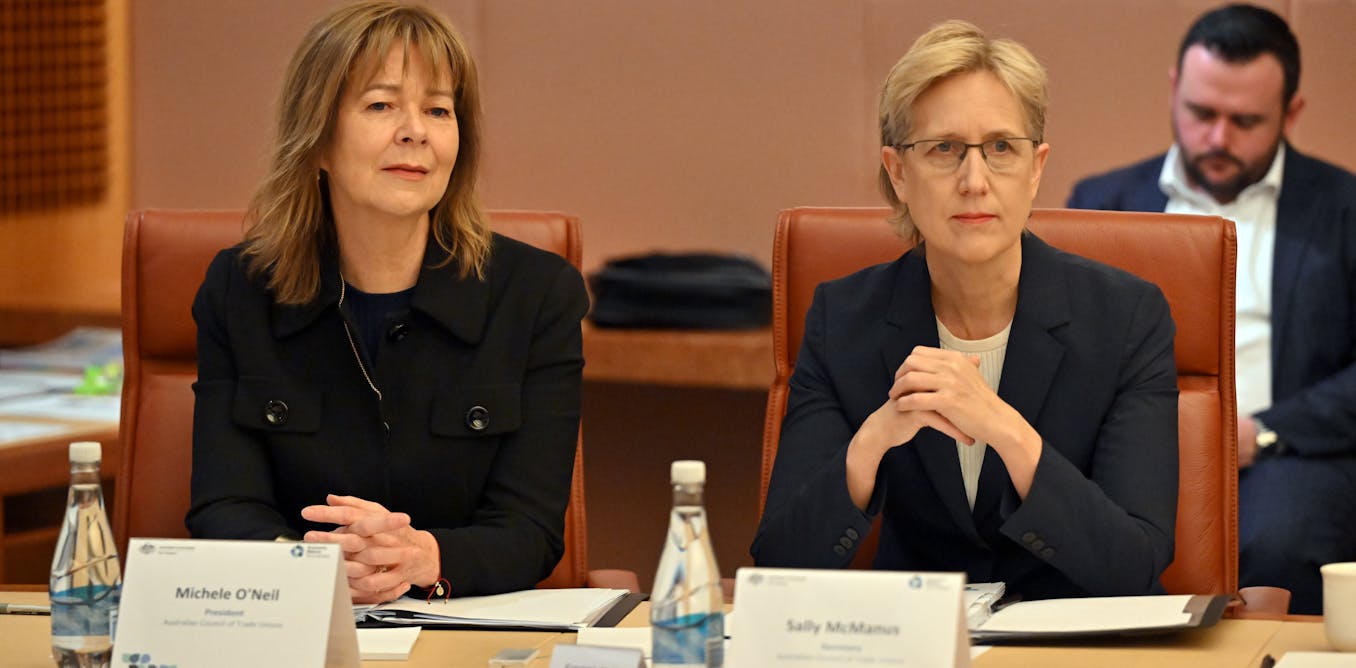
Sally McManus and Michele O'Neil exit after the longest ACTU leadership tenure in half a century. Their legacy includes right-to-disconnect laws, wage theft criminalisation, and a rebound in union membership.
Continue with
Australia's two top union officials will leave by the end of the year, a surprise announcement made Monday to key union figures. Sally McManus, secretary of the Australian Council of Trade Unions, steps down at the end of August. President Michele O'Neil follows a few months later, staying on to help with the transition to a "new generation."
McManus and O'Neil took over in 2017 and 2018. They were the longest-serving ACTU leaders in more than half a century and the first all-female team to run the peak union body. Their tenure spanned the pandemic, a surprise Coalition election win in 2019, and Labor's return to power in 2022. That shift opened the door for a wave of workplace law changes the pair had pushed for years.
Among the legislative wins: the right to disconnect from work outside hours, criminalising wage theft, same-job same-pay rules for contractors, and minimum conditions for gig workers. Labor last week revived the Fair Work Court, a long-standing union demand. McManus, in an interview Monday, said almost a decade was a long time to hold the role. She noted the COVID years counted double.
Union membership, which had fallen for decades, showed a small rebound. The rate stood at 13.1% in 2024, up from a record low of 12.5% in 2022. O'Neil said membership growth played into their decision to step down now, with the momentum handed to a new generation. The Australian Bureau of Statistics will release its next survey later this year.