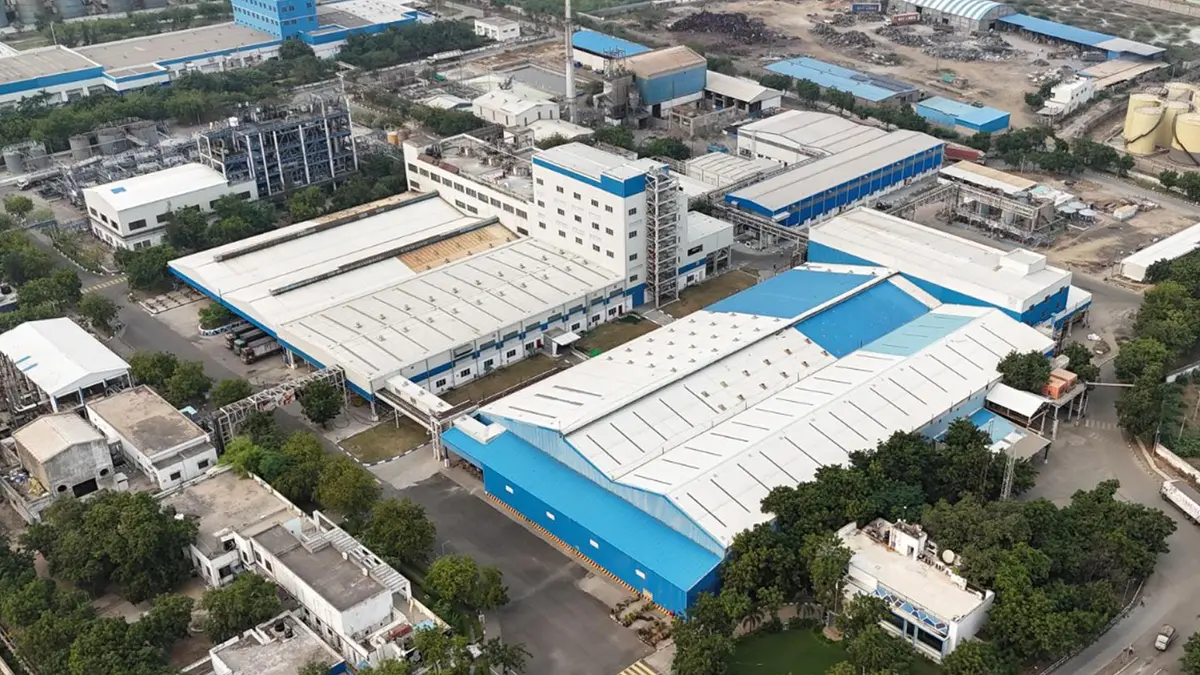
Unilever is rolling out AI-powered digital twins across its factory network through a multi-year agreement with Accenture. The consumer goods company said the virtual replicas of production equipment and processes will help improve product quality, lift efficiency, and speed up responses to shifting consumer demand.
Digital twins are software models that mirror physical machinery and production lines in real time. Unilever already used the technology at some sites. The new partnership extends it to a much broader share of the company's manufacturing footprint. Accenture will handle systems integration and data architecture; Unilever contributes the factory-floor data and operational context. The two firms have worked together before on supply-chain digitisation.
For Unilever, the payoff revolves around fewer line stoppages and faster recipe changes when raw-material costs move. A drop in palm oil or sunflower oil prices, for example, could be captured more quickly by adjusting formulations at the plant level, protecting margins that are often squeezed in consumer staples. Predictive maintenance, another digital-twin application, cuts unplanned downtime and extends equipment life. Over a multi-year rollout, even a 1–2 percentage point improvement in operating margin would be material for a company with roughly €60 billion in revenue.
Accenture gets a referenceable contract in a sector where AI adoption has been slower than in technology or financial services. Consumer goods manufacturers have run pilot programs – Nestlé and Procter & Gamble have similar experiments – large-scale deployments are rarer. A successful Unilever implementation could accelerate Accenture's pipeline of CPG deals, particularly in manufacturing analytics and Internet-of-Things integration.
The broader trend is clear: factory-floor AI is moving from proof-of-concept to production. Digital twins are becoming a standard tool for reducing waste and matching output to demand. Unilever's move is one of the larger commitments by factory count and timeline, though the company has not disclosed the total investment or the number of sites covered.
On AlphaScala's proprietary measure, Unilever carries a score of 55 out of 100, labelled Moderate in the Consumer Staples sector. Accenture scores 51 out of 100, labelled Mixed in Technology. The partnership does not change either score directly, it puts both companies deeper into industrial AI deployment, where execution risk is real and margins are not guaranteed.
The first batch of factories to report measurable uptime or waste-reduction data will be the next milestone. Unilever has not set a public date for that.