UNC Endowment's Early SpaceX Bet Drives 30% Return
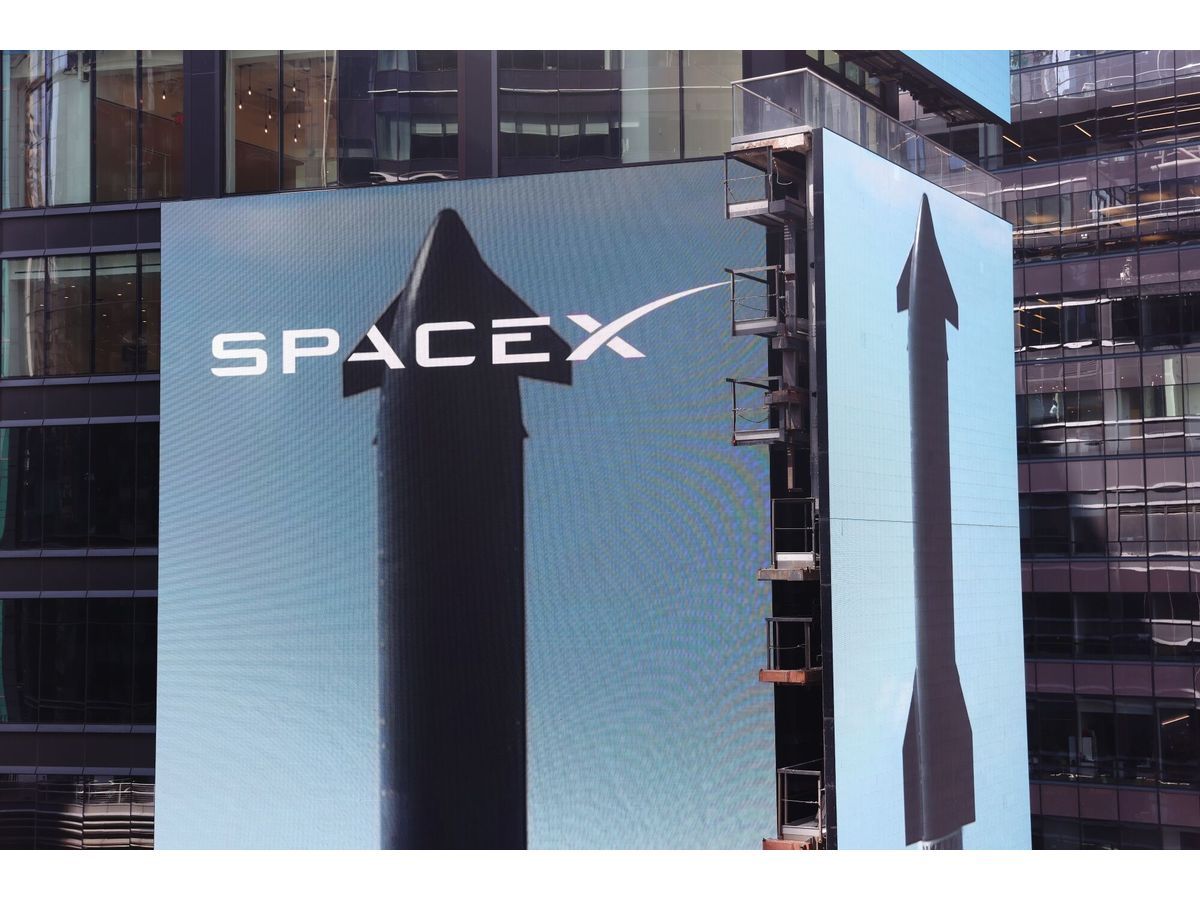
An early SpaceX stake of a few million dollars helped UNC's endowment return 30%; it sold $1B before the June IPO and still holds over $1B. School reports follow.
More than a decade before SpaceX's record-breaking initial public offering, the University of North Carolina's investment office placed a modest bet on the rocket maker through a venture fund. That commitment, made more than 15 years ago, helped push the school's endowment to a return above 30% this year, according to a person familiar with the matter.
The gain puts UNC Chapel Hill near the top of U.S. endowments. It also makes the school one of a select group whose venture positions have grown large enough to shape annual results. The University of Michigan's endowment, an early investor in OpenAI, is expected to clear the median too, according to Wilshire Trust Universe Comparison Service.
Endowments with more than $500 million in assets returned a median of 18.9% before fees in the 12 months ended June 30. The median for all endowments was 12.7%. Large funds landed between 14.5% and 20.5%. UNC's return sits roughly 11 percentage points above the large-fund median. Those are the strongest aggregate gains in a decade apart from 2021, according to Wilshire, with figures scattered widely across individual schools.
"You either have those names that blew up in a big way or you don't," said Michael Rush, a senior vice president at Wilshire.
The range of returns across schools is unusually wide this year. The Wilshire data show schools without a SpaceX-style holding reporting figures closer to the 12.7% all-endowment median.
SpaceX's June 12 IPO, a record-breaking listing, gave the biggest boost to investors that had committed capital a decade ago. The offering valued the rocket company above $1.5 trillion. Shares have since traded below the $135 IPO price, closing Thursday at $114.92.
UNC's entry came through a commitment of just a few million dollars to a fund that backed SpaceX, according to people familiar with the matter. The endowment sold about $1 billion of the position before the IPO and still holds more than $1 billion in the company. University officials declined to comment.
The arithmetic is straightforward. The $1 billion sale before the IPO alone represents a return of well over 100 times the original commitment, which ran to just a few million dollars. The remaining stake, still worth more than $1 billion, adds another layer of gains on top of that.
The University of North Carolina Management Co. ran almost $15 billion in assets as of March 31. The Chapel Hill campus endowment accounts for nearly half of that figure. Gains flow across the state through the UNC System, and the manager also oversees money for UNC Press and Winston-Salem State University.
The remaining SpaceX position is worth more than $1 billion, roughly one-eighth of the Chapel Hill endowment's value at the end of March. At $114.92, the unsold stake has given back part of its paper gain since the June listing. A stake that size gives the company an outsize weight in the school's portfolio.
Max Chapman, former chair of the Chapel Hill Investment Fund board, said the outcome fits the standard pattern of venture portfolios. "You make five or 10 investments and hope one of them will work," said Chapman, an undergraduate alumnus of UNC. "This one has worked very well."
The strong returns arrive as large universities face financial pressure on multiple fronts. Federal research funding faces threats, and the pool of college-age students is shrinking. Private equity positions have turned in muted performance. Endowments with outsized tech and energy holdings now have more room to absorb those strains.
Individual schools will report their own figures over the coming weeks and months.
Drafted by a large language model from the source reporting linked above, then screened by automated publishing checks. It is not read by a journalist before publication. Some articles cite our Alpha Score. Verify prices and figures against the original source. Educational coverage, not personalized advice.