Ukraine's Drone Kill Zone Widens to 50 km, Official Says
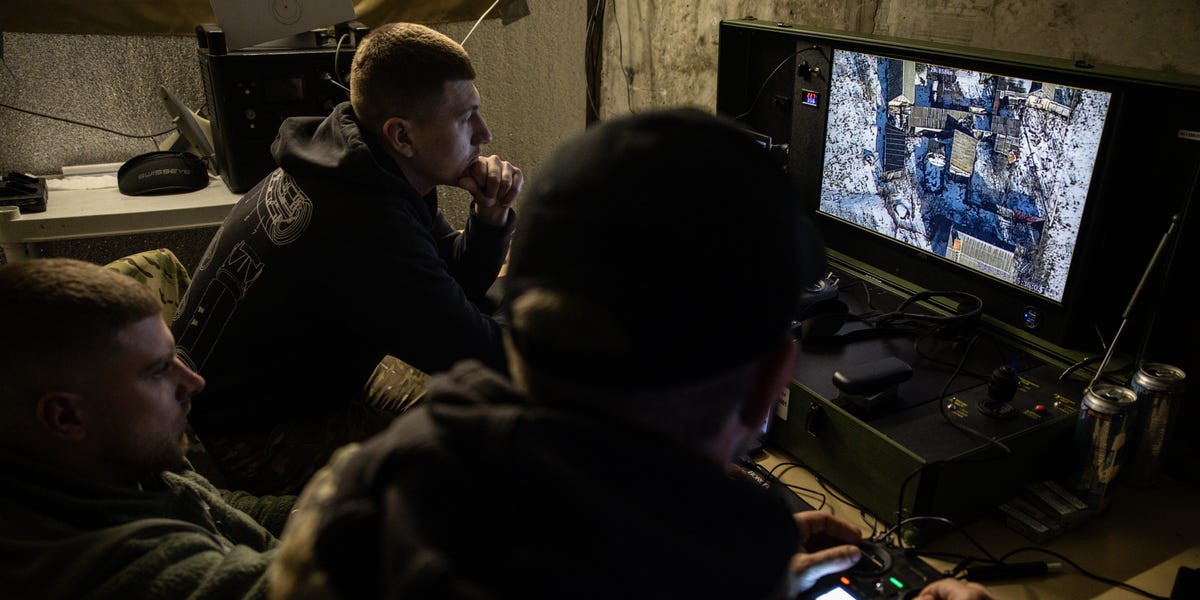
Drones can now spot and strike targets up to 50 km behind Ukraine's front line. The trend is accelerating as both sides field new systems, a defense official said.
The area along Ukraine's front line where drones can spot and destroy targets has grown to 50 km in some sectors, a defense official said. Davyd Aloian, the deputy secretary of the National Security and Defense Council, told local media that the so-called kill zone has widened substantially as both sides increase their use of reconnaissance and attack drones. He described the zone as a dead zone for troops and equipment.
Vehicles and personnel that enter it are almost immediately detected and engaged, often within minutes. The previous effective range of drone surveillance in the conflict was roughly half that, Aloian said.
The expansion reflects advances in drone technology, including longer flight times, better optics, and more resilient control links. It also shows how both armies have adapted to electronic warfare. In many areas, jamming is now less effective against newer drone models, and operators can loiter over positions for longer periods before striking.
For front-line units, the shift means that traditional staging areas and supply routes are no longer safe even far behind the trenches. Medical evacuation, ammunition resupply, and troop rotations now require careful timing and cover. Some commanders have moved command posts further back or buried them deeper. Aloian did not specify whether the 50-km figure applies to the entire front or only to certain hot spots. The line of contact stretches more than 1,000 km, and conditions vary by terrain and weather.
Military analysts outside Ukraine have previously estimated the typical drone surveillance radius at 20-30 km. The jump to 50 km in some areas represents a significant increase in the area of risk for ground forces. It also increases the detection range for artillery and missile strikes directed by drones.
Aloian noted that the kill zone will likely keep expanding as both sides field new systems. Ukraine has received foreign-made drones and is producing its own. Russia has stepped up production of Lancet and other loitering munitions. Neither side shows signs of slowing the investment in drone fleets.
The widening zone affects not only combat operations but also the broader war economy. It raises the cost of holding territory and complicates efforts to build defensive lines. It also shifts the balance between offense and defense, since drones can spot fortifications being built and direct fire onto them before they are finished.
Aloian made the remarks during a briefing on the state of electronic warfare and air defense. He did not provide a timeline for when the zone might grow further, he said the trend is accelerating. The next step would be integrating drones more closely with conventional artillery and rocket systems.
Drafted by a large language model from the source reporting linked above, then screened by automated publishing checks. It is not read by a journalist before publication. Some articles cite our Alpha Score. Verify prices and figures against the original source. Educational coverage, not personalized advice.