Stocks● Neutral
Ukraine's drone ace hits a quality bottleneck: pilot says many fail before takeoff
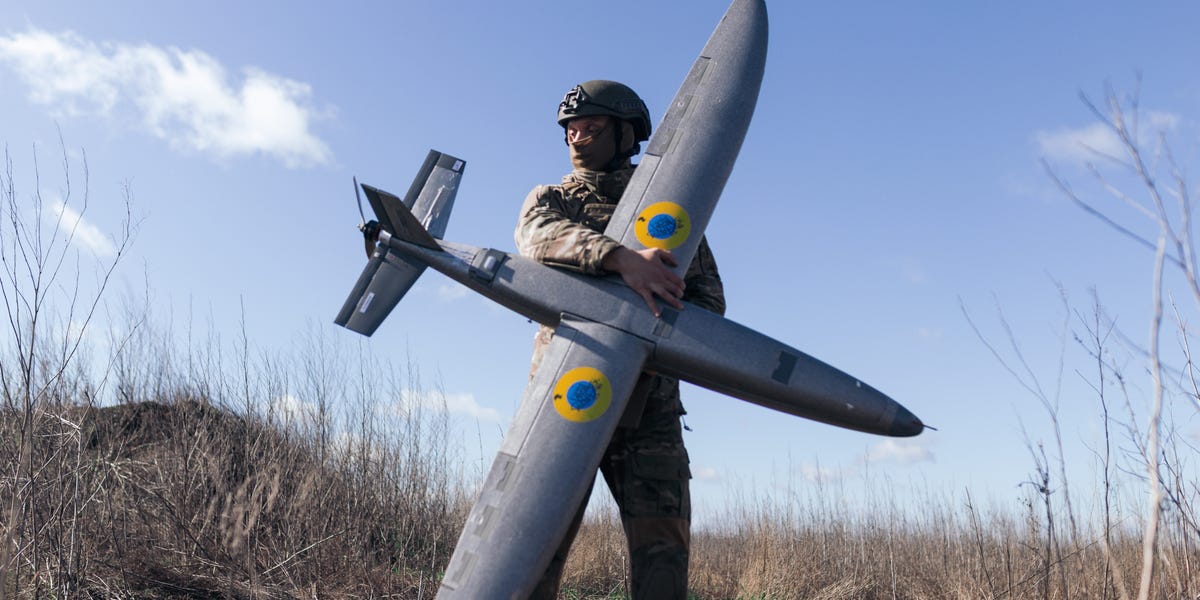
Spring's crew spends hours repairing glitchy mid-range drones, cutting strike capacity. A 60-day failure rate trend will decide if quality control catches up to production.
Continue with
A Ukrainian drone pilot who has tested more than 10 types of mid-range strike drones said models sent to the front lines can fail before they leave the ground. The pilot, call sign Spring, told reporters that for some of the new drones blunting Russia's momentum, the first arrivals were so glitchy they were practically cursed.
"In every sortie, everything that could go wrong did go wrong," Spring said. The drones arrived with software bugs and loose wiring. Components shook apart during flight. Some never launched. Others crashed within minutes.
The Mid-Range Gap and the Quality Cost
Ukraine's drone arsenal has expanded fast. The mid-range category – aircraft that fly 50 to 300 kilometers behind enemy lines – fills the gap between small first-person-view quadcopters and long-range strike systems. These drones hit supply depots, command posts, and artillery batteries that short-range FPVs cannot reach.
The rapid production ramp carries a cost. Spring said manufacturers push units out without field testing. "They test them on a bench, not in the air," he said. The result: a batch failure rate that forces crews to cannibalize parts from multiple drones to get one airborne.
The Mechanical Toll on Front-Line Crews
Spring described a typical preflight check. The team inspects the airframe for cracks. They check the motor mounts. They run a software diagnostic. On a bad day, three of five drones fail the check. The crew then strips the working parts from the failed units and rebuilds.