Stocks● Neutral
Ukraine's 81-Drone Moscow Strike Reshapes War Risk Calculus
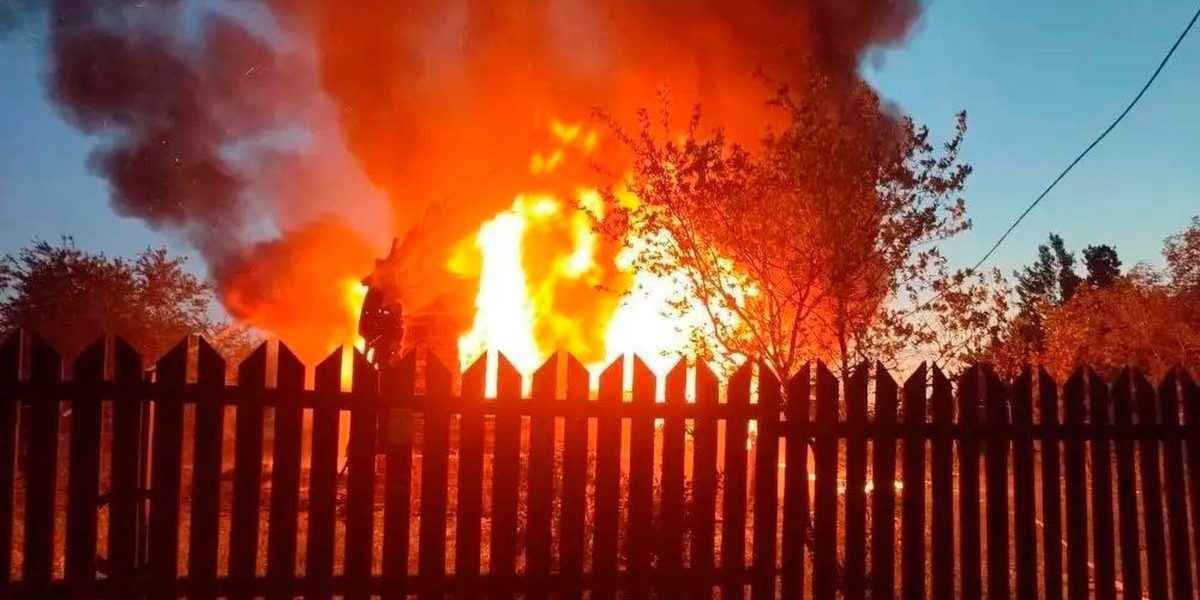
Ukraine's 81-drone strike on Moscow kills four, wounds 12, and hits near oil refinery. The attack shifts war risk calculus for oil, defense, and airline assets. Next catalyst: Russian retaliation.
Continue with
Ukraine launched one of its largest drone strikes on Moscow overnight, killing at least four people near the capital and wounding a dozen more. The attack demonstrates Ukraine's ability to penetrate Russian air defenses concentrated around Moscow, adding a new layer of geopolitical risk for oil, defense, and airline assets. For traders, the event shifts the probability of future strikes and widens the risk discount on Russian-linked exposures.
What Changed in the Air Defense Calculus
Russian authorities reported that 81 drones were shot down over Moscow overnight. Another 556 drones were destroyed across Russia, occupied Crimea, and the Azov and Black Seas in the same 24-hour period, according to the Russian Defense Ministry. Shortly after midday local time, the ministry claimed more than 1,000 drones had been shot down or jammed in the previous day.
Despite those numbers, debris struck Sheremetyevo Airport, Russia's largest, though no damage or flight disruptions were reported. The attack killed three people near Moscow and one in the Belgorod region. A woman died in Khimki, northwest of Moscow, after a drone hit her home. Two men died in Pogorelki, 10 km north of the capital. At least 12 people were wounded near the entrance to Moscow's oil refinery, though mayor Sergei Sobyanin said the refinery's technology was not damaged.
The Indian Embassy in Moscow reported an Indian worker killed in the Moscow region, with three others hospitalized. It remains unclear whether that worker is included in the local death toll or is a separate fatality.
Ukrainian President Volodymyr Zelenskyy confirmed the strikes, saying the drones flew more than 500 km from Ukrainian territory. “Our responses to Russia’s prolongation of the war and attacks on our cities and communities are entirely justified. This time, Ukrainian long-distance sanctions have reached the Moscow region, and we are clearly telling the Russians: their state must end its war,” he said.
Exposure Map: Oil, Defense, and Airline Assets
The attack directly targets Russian oil infrastructure, a key funding source for the war. The economic impact remains unclear. Rising oil prices from the Iran war and eased U.S. sanctions have replenished Kremlin coffers. Still, the range and scale of strikes create persistent strikes create supply disruption risk. Brent crude and WTI may see a short-term risk premium as traders price in potential damage to Russian refining capacity.
Defense Sector Read-through for defense contractors: Ukraine's demonstration of long-range strike capability increases demand expectations for air defense systems, drone countermeasures, and electronic warfare equipment. Defense contractors with exposure to NATO procurement cycles could see increased order visibility. The event also highlights vulnerabilities in existing Russian systems, which may prompt buyers to reassess their own defense postures.
Airline Risk
Sheremetyevo Airport's proximity to drone debris underscores operational risk for airlines serving Moscow. No flight disruptions were reported. Sustained attacks could force flight cancellations or rerouting, affecting carriers like Aeroflot and international airlines using Russian airspace. Insurers may also reassess war risk premiums for flights over western Russia.
Timeline Points and Escalation Risk
The attack followed Russia's own overnight drone strikes on Ukraine, which wounded eight people in the Dnipropetrovsk region, including in Dnipro and Kryvyi Rih. Ukraine claims Russian forces launched 287 drones, with 279 shot down or jammed, according to the Ukrainian air force. These strikes came after a brief ceasefire that allowed Russia to hold its annual Victory Day parade on May 9. Both sides accused each other of violating the pause.